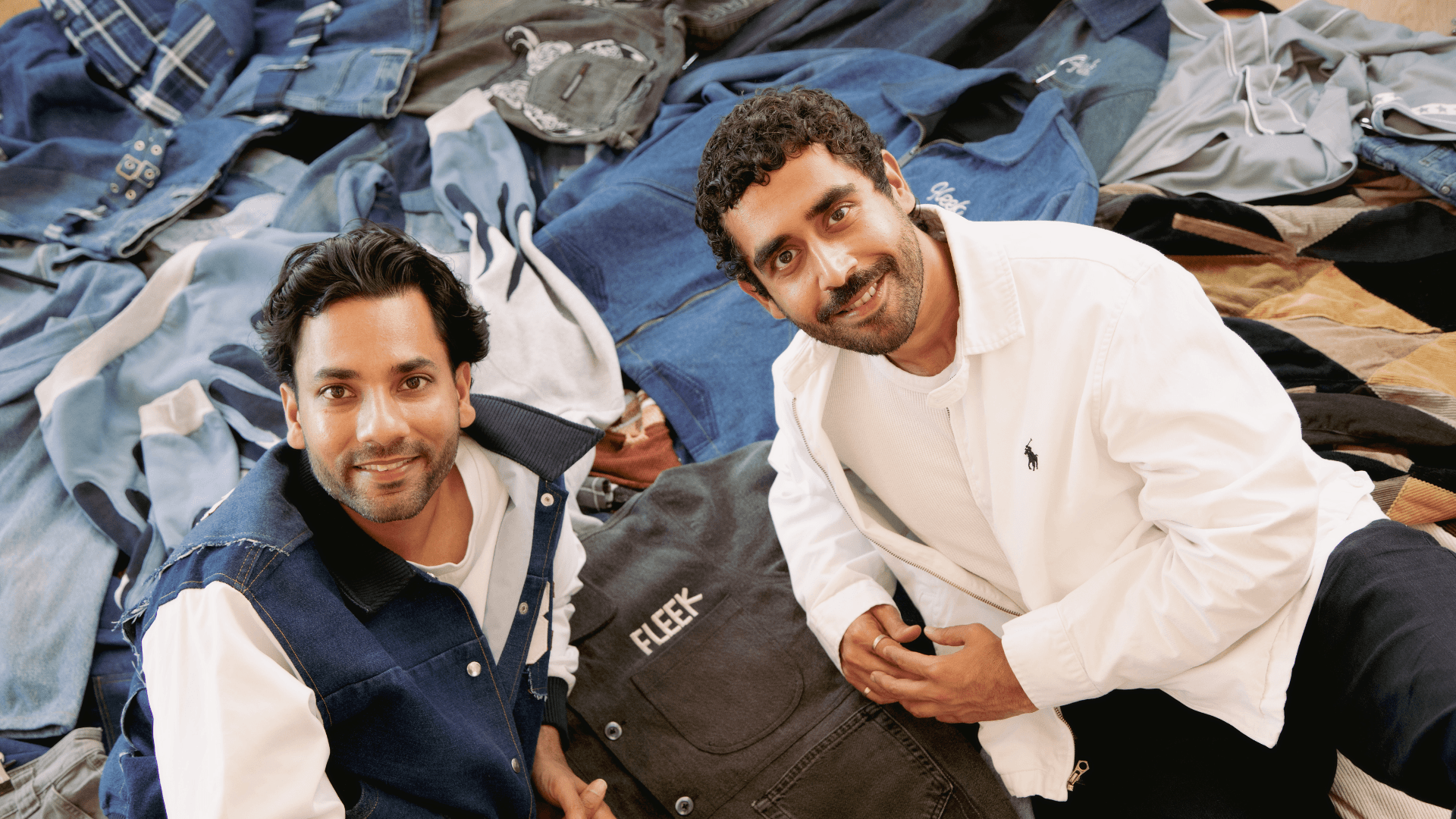
Fleek Lands $25 Million Series B to Power Secondhand Fashion's Digital Transformation
Fleek, a UK-based startup focused on developing AI infrastructure for the secondhand clothing industry, has successfully closed a $25 million Series B funding round. The investment, led by Burda Principal Investments, signals significant confidence in Fleek's mission to digitise and streamline the rapidly growing resale market for apparel. Existing investors, including Seedcamp and Ascension Ventures, also participated in the round.
The secondhand fashion market is experiencing explosive growth, driven by increasing consumer awareness of sustainability, a desire for unique items, and the economic appeal of pre-owned goods. However, the operational complexities of managing inventory, authenticating items, pricing, and fulfilling orders at scale present substantial challenges for both established platforms and emerging resellers. Fleek aims to solve these problems by providing the underlying AI technology that powers these operations, making it easier for businesses to participate and thrive in the resale economy.
Addressing the Operational Bottlenecks in Resale
Fleek's platform is designed to tackle the core inefficiencies plaguing the secondhand fashion sector. Traditionally, cataloguing items involves manual photography, descriptive writing, and often subjective condition assessments. This process is time-consuming and limits the volume of items that can be processed. Fleek's AI-powered solutions automate many of these steps. For instance, their technology can automatically generate product descriptions, tag items with relevant attributes (like brand, material, style, and condition), and even suggest optimal pricing strategies based on market data and item specifics.
One of the most critical aspects of secondhand fashion is authenticity and condition grading. Consumers are wary of purchasing items that are not as described or are outright fakes. Fleek's AI can assist in identifying counterfeit goods by analysing images and comparing them against vast databases of authentic items. Furthermore, its systems can objectively assess the condition of garments, providing a consistent and reliable grading system that builds trust between sellers and buyers. This granular data also helps in optimising inventory management and understanding what types of items are most in demand.

The Technology Behind the Digitisation
At its heart, Fleek leverages advanced machine learning models, including computer vision and natural language processing (NLP), to understand and process fashion items. Computer vision algorithms analyse images to identify garment types, detect wear and tear, and extract visual attributes. NLP models then process this information, along with any existing metadata, to create detailed and engaging product listings. The company also uses predictive analytics to forecast demand, identify trends, and recommend pricing adjustments, akin to how a seasoned buyer might operate but at machine speed and scale.
The $25 million in Series B funding will be primarily allocated to scaling Fleek's engineering team, further developing its AI capabilities, and expanding its market reach. The company plans to enhance its core product offerings, which include automated cataloguing, authentication support, and dynamic pricing tools. Additionally, Fleek intends to invest in building out its sales and marketing efforts to onboard more businesses within the secondhand fashion ecosystem, from large resale platforms to independent boutiques and individual sellers looking to professionalise their operations.
Market Context and Investor Confidence
The secondhand fashion market is projected to continue its robust growth trajectory, with some analysts predicting it will soon surpass the fast fashion market in value. This burgeoning sector, however, still operates with significant manual processes and relies on fragmented technology solutions. Fleek's value proposition is to provide a unified, AI-driven infrastructure that can underpin the entire resale value chain. This comprehensive approach distinguishes them from point solutions that might focus on a single aspect, like authentication or description writing.
Burda Principal Investments, known for its strategic investments in high-growth digital businesses, sees Fleek as a key enabler of the circular economy in fashion. Their investment suggests a belief that Fleek can become the foundational technology layer for the future of fashion resale. For founders and businesses operating in this space, Fleek offers a pathway to increased efficiency, reduced operational costs, and ultimately, higher revenue through better inventory management and optimised sales strategies. The question now is how quickly Fleek can integrate its technology across a diverse range of sellers and platforms, and whether its AI can adapt to the ever-changing nuances of fashion trends and consumer preferences.
What This Means for the Future of Fashion Resale
With this substantial funding, Fleek is positioned to significantly impact how secondhand fashion is bought and sold. By automating and optimising critical operational tasks, the company empowers businesses to scale more effectively, improve customer experience through accurate listings and fair pricing, and contribute to a more sustainable fashion industry. As the demand for pre-owned clothing continues to rise, the need for robust, intelligent infrastructure like Fleek's becomes paramount. Their success could set a new standard for operational excellence in the resale market, making it more accessible and appealing to both businesses and consumers alike.
The broader implications extend to sustainability efforts within the fashion industry. By facilitating the growth of the secondhand market, Fleek indirectly supports the reduction of textile waste and the decreased demand for new, resource-intensive clothing production. Their technology acts as a catalyst, making the circular economy a more viable and scalable business model for fashion. The company's focus on AI not only drives efficiency but also embeds intelligence into the resale process, which can lead to more informed decisions about inventory, pricing, and consumer engagement.