Malicious Packages Target Payment Service Developers
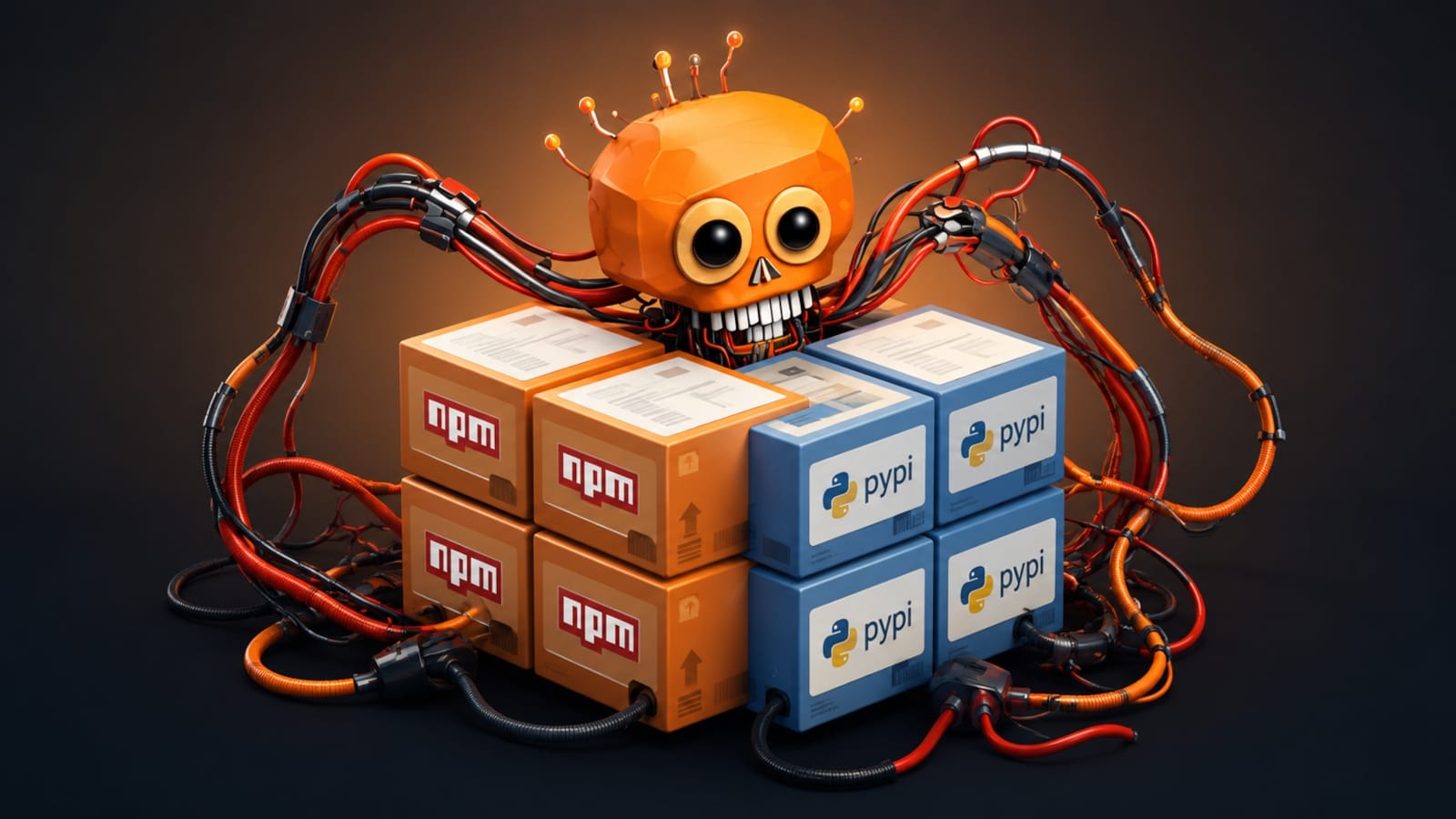
Security researchers have identified a significant threat actor campaign targeting developers via malicious software packages hosted on the Node Package Manager (npm) and the Python Package Index (PyPI). These packages, masquerading as legitimate SDKs for popular payment services like Paysafe, Skrill, and Neteller, are designed to steal sensitive credentials from unsuspecting developers.
The campaign leverages the trust developers place in official package repositories to distribute stealer malware. Developers integrating these fake SDKs into their projects risk compromising not only their own account information but also potentially exposing the sensitive data of their end-users and their organizations.
The attackers are sophisticated, carefully crafting these malicious packages to appear as official and functional libraries. This tactic exploits the common practice of developers quickly adopting new packages to accelerate development cycles. Without thorough vetting, developers can inadvertently introduce significant security risks into their software supply chain.
Mechanism of Credential Theft
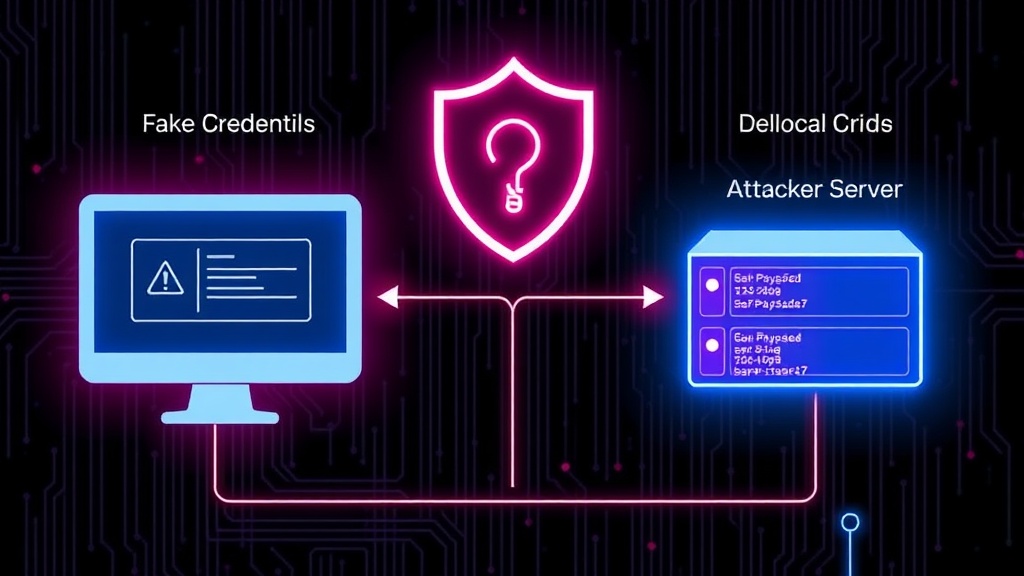
Once a developer installs one of these malicious packages, the stealer malware activates. Its primary objective is to exfiltrate credentials stored locally on the developer's machine. This includes information such as API keys, authentication tokens, and login credentials for various services, including those related to the payment platforms themselves, as well as potentially other development tools and cloud services.
The malware is designed to be stealthy, often embedding itself within the build or installation process of the legitimate-looking package. When a developer runs `npm install` or `pip install`, the malicious code executes in the background. It then searches for and collects sensitive data from configuration files, environment variables, and browser credential stores. This data is subsequently transmitted to attacker-controlled servers.
The surprising detail here is not merely the existence of such malware, but its specific targeting of developers who work with financial services. This suggests a highly focused effort to gain access to financial infrastructure or to exploit the trust associated with these payment providers. The attackers are not just aiming for random credentials; they are likely seeking access to high-value accounts within the financial ecosystem.
Affected Platforms and Services
The identified malicious packages specifically impersonate SDKs for:
- Paysafe: A global online payment platform.
- Skrill: A digital wallet service.
- Neteller: Another digital wallet service, also owned by Paysafe Group.
These services are widely used by businesses and individuals for online transactions, making their associated SDKs valuable targets for attackers looking to compromise financial data or gain unauthorized access to payment systems.
The use of both npm and PyPI signifies a broad attack vector, aiming to compromise developers across different technology stacks. Developers using Node.js for backend services or frontend development, and those working with Python for backend systems, data science, or scripting, are all potentially at risk.
Mitigation and Prevention Strategies
To protect against such threats, developers must adopt stringent security practices:
- Scrutinize Package Sources: Always verify the authenticity and maintainer of packages before installation. Check for official sources, community reputation, and recent activity.
- Dependency Scanning: Utilize automated tools to scan project dependencies for known vulnerabilities and malicious code. Tools like Snyk, Dependabot, and OWASP Dependency-Check can be invaluable.
- Least Privilege Principle: Ensure that development environments and CI/CD pipelines operate with the minimum necessary permissions. Avoid storing sensitive credentials directly in code or configuration files that are checked into version control.
- Manual Review: For critical dependencies, especially those related to financial transactions or sensitive data handling, consider manual code review of the package source, if feasible.
- Endpoint Security: Maintain robust endpoint security on developer machines, including up-to-date antivirus software and firewalls.
- Credential Management: Use secure credential management solutions and avoid reusing passwords across different services. Implement multi-factor authentication wherever possible.
The surprising lack of immediate widespread alerts from the package managers themselves highlights the ongoing challenge in automated detection of sophisticated supply chain attacks. This places a greater onus on individual developers and organizations to implement proactive security measures.
Broader Implications for Software Supply Chains
This incident underscores the persistent and evolving threat to software supply chains. Attackers are increasingly targeting the developer ecosystem, recognizing it as a critical point of vulnerability. Compromising a single popular package can potentially affect thousands of downstream applications and users.
The reliance on open-source packages is a double-edged sword. While it accelerates innovation, it also introduces a dependency on the security practices of package maintainers and the integrity of the hosting platforms. This campaign serves as a stark reminder that even seemingly trusted repositories can harbor threats.
What remains unaddressed is the long-term impact on developer trust in these ecosystems. If developers cannot rely on npm and PyPI to be free of such sophisticated malware, the adoption of open-source components could slow, or organizations might invest more heavily in internal, audited libraries, potentially stifling the rapid development cycles that open source enables.
Organizations that use Paysafe, Skrill, or Neteller, or whose developers integrate with these services, must immediately audit their projects for any signs of compromise. The risk extends beyond credential theft; it includes the potential for further exploitation of compromised systems, such as using them as pivot points for deeper network infiltration.