The Uncompromising Vision of Fairphone
In an industry defined by rapid obsolescence and opaque supply chains, Fairphone stands as a deliberate anomaly. The Dutch company’s mission is not to chase the fastest processors or the most megapixels, but to build smartphones with a conscience. The Fairphone Gen 6, their latest iteration, represents a significant step in this ongoing quest, pushing the boundaries of ethical sourcing and repairability in a device that feels increasingly impossible to create within current market constraints. This isn't just another smartphone; it's a statement against the prevailing disposable culture of consumer electronics.
Fairphone's approach forces a re-evaluation of what constitutes smartphone innovation. While competitors focus on incremental spec bumps, Fairphone’s CTO, Bas van Abel, has consistently championed a different path: one that prioritizes longevity, modularity, and fair labor practices. The Gen 6 embodies this philosophy, integrating advanced technology with a deep commitment to sustainability, making it a compelling, albeit niche, alternative in a crowded market.
Engineering for Longevity and Repair
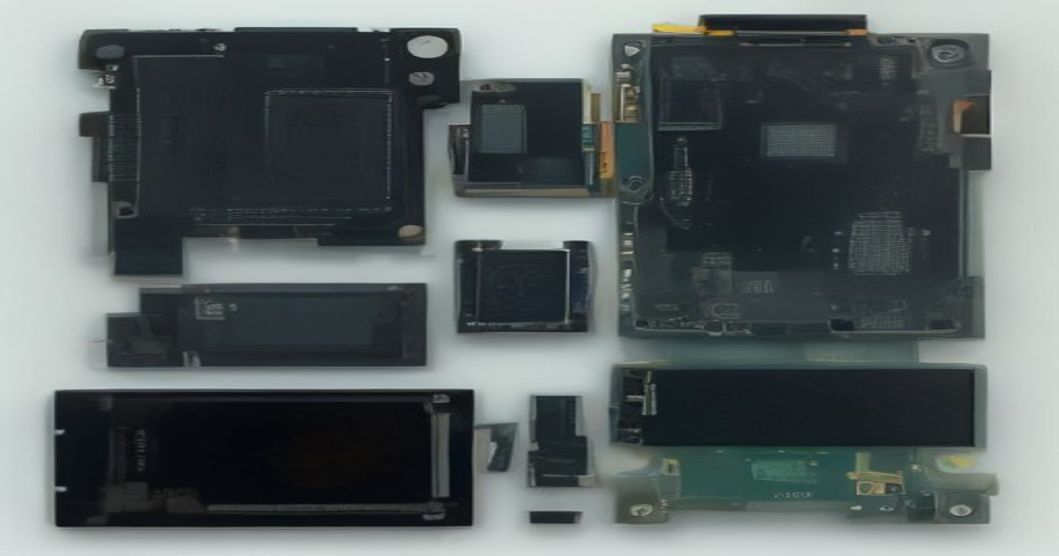
The core of Fairphone’s engineering ethos is modularity. Unlike most smartphones where components are tightly integrated and often glued in place, the Fairphone Gen 6 is designed to be disassembled with minimal tools. This approach is not merely a feature; it's the foundational principle that allows for repair and upgrades over an extended product lifespan. The company has meticulously designed each component – from the display and battery to the camera modules and even the USB-C port – to be user-replaceable.
This commitment to repairability directly combats electronic waste, a staggering global problem. By enabling users to swap out a broken screen or a degraded battery, Fairphone extends the usable life of its devices. This contrasts sharply with the industry standard, where a single component failure often renders an entire phone obsolete, forcing consumers into frequent, costly upgrades. Van Abel often highlights that the cost of repair for a Fairphone is significantly lower than for conventional smartphones, not just in parts but in the reduced need for professional service. The design is akin to a high-quality, modular toolkit rather than a sealed black box.
The Ethical Sourcing Tightrope Walk
Perhaps the most challenging aspect of Fairphone’s mission is its relentless pursuit of ethical sourcing. The company focuses on conflict-free minerals, fair wages for factory workers, and improving working conditions throughout its complex supply chain. This involves meticulous auditing, direct engagement with suppliers, and a willingness to pay a premium for materials and labor that meet their stringent standards. For instance, Fairphone actively seeks out and prioritizes minerals like tin, tantalum, tungsten, and gold sourced from mines that do not fuel conflict or exploit labor.
Van Abel has spoken candidly about the immense difficulty and cost associated with this transparency. Establishing these ethical supply chains requires deep collaboration, often with smaller, specialized suppliers who are willing to adhere to Fairphone's ethical frameworks. It's a constant negotiation, a careful balancing act between technological feasibility, market competitiveness, and unwavering ethical principles. The company doesn't just buy components; it invests in relationships and processes that ensure fair treatment and environmental responsibility from mine to assembly line. This level of scrutiny is virtually unheard of in the mass-market smartphone industry, where cost optimization often trumps ethical considerations.
Beyond Hardware: Software and Longevity
Fairphone’s vision extends beyond the physical build. The company is committed to providing long-term software support for its devices. This means extending operating system updates and security patches for as long as possible, ensuring that the Gen 6 remains secure and functional for years, aligning with its hardware's repairable design. This software longevity is crucial; a repairable phone with an outdated and insecure operating system would undermine the entire premise.
The choice of components is also strategic. Fairphone often opts for reliable, well-supported chipsets rather than the absolute bleeding edge, prioritizing stability and long-term availability over peak performance. This ensures that replacement parts remain available and that the device can be maintained without relying on proprietary, short-lived components. The company's approach is a stark contrast to the industry's relentless push for yearly upgrades, effectively signaling to consumers that their investment in a Fairphone is intended to last.
The Market Context and Future Outlook
Building a business around ethical and repairable electronics is an uphill battle. Fairphone operates in a market dominated by giants with economies of scale that are impossible for a small company to match. The premium price point for Fairphone devices, a direct consequence of their ethical sourcing and modular design, positions them as a niche product. However, their success lies not in market share but in their influence and the increasing consumer awareness around sustainability and repairability.
The company's persistent efforts are slowly but surely shifting the conversation within the tech industry. As regulatory pressures mount, particularly in Europe, demanding greater repairability and extended product lifecycles, Fairphone's pioneering work provides a blueprint. The Gen 6 is more than just a product; it's a testament to the fact that building technology with integrity is not only possible but increasingly necessary. The question remains whether this model can scale further, or if it will continue to be a powerful, but limited, force for change.