Facebook Bets Big on Immersive Video and TikTok-Style Shopping
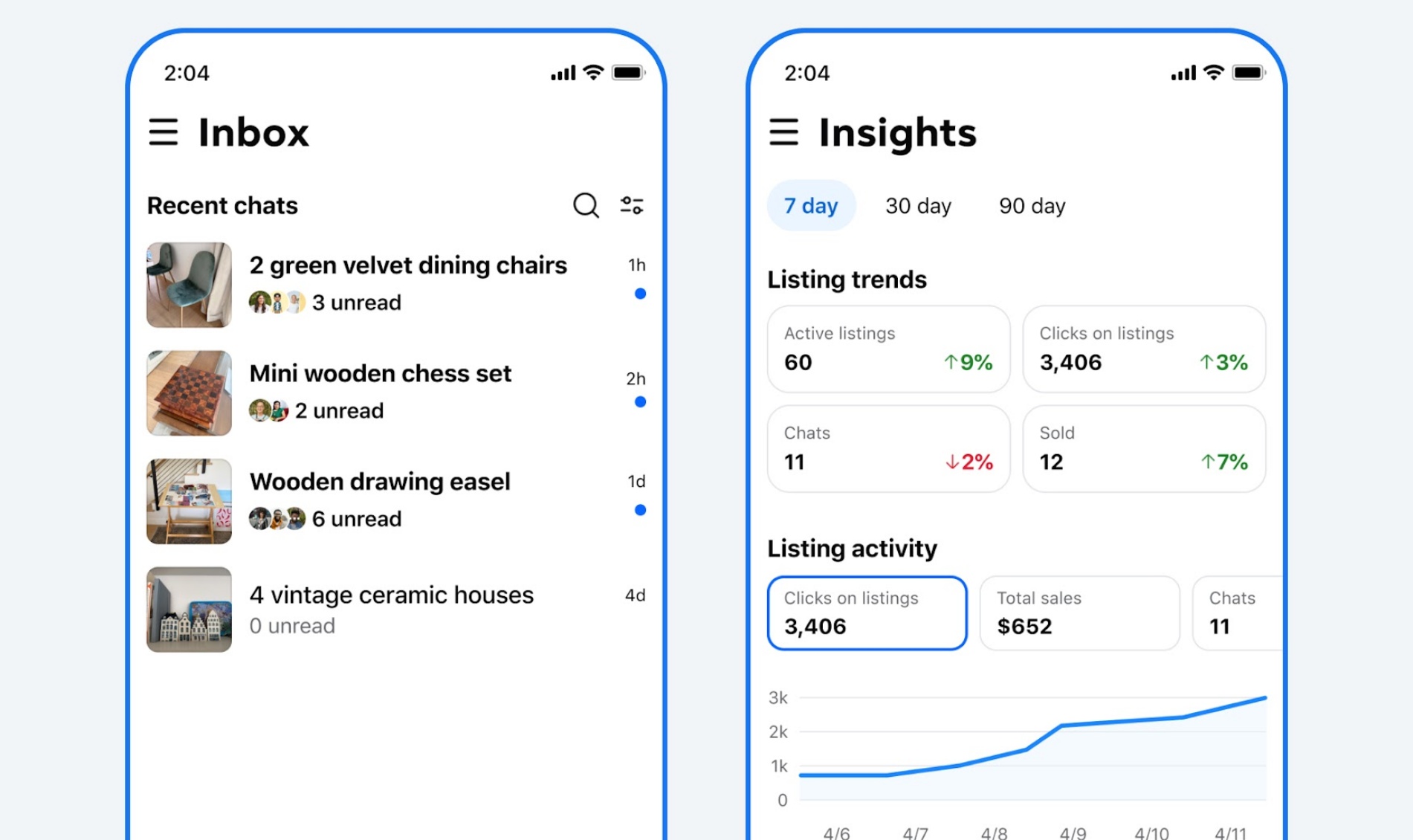
Facebook is once again looking to TikTok for inspiration, this time with significant changes planned for both its core feed experience and its e-commerce arm, Facebook Marketplace. Meta is testing an “Immersive Video” feed designed to auto-play full-screen content upon opening the app, directly mirroring TikTok’s dominant user engagement strategy. Concurrently, a new app called “Seller” is set to transform Facebook Marketplace into a more TikTok Shop-like experience.
These moves signal a clear strategic pivot for Facebook, a platform that has historically relied on static posts and curated friend updates. The company’s parent, Meta, has been under pressure to recapture user attention and engagement, particularly among younger demographics who have increasingly gravitated towards short-form, algorithmically driven video content. The introduction of an immersive video feed aims to directly compete with the addictive scroll that has made TikTok a global phenomenon.
Marketplace, a decade-old feature that has served as a robust platform for buying and selling secondhand goods, is also undergoing a significant evolution. The rapid success of TikTok Shop, which seamlessly integrates e-commerce with video content, has clearly prompted Facebook to re-evaluate its own retail strategy. Last year’s cross-country tour promoting Marketplace and the subsequent delivery of creator-curated collections ahead of the holiday season were early indicators of this shift. The upcoming “Seller” app is expected to accelerate this transformation, making the shopping experience on Facebook more dynamic and discoverable, much like its short-form video competitor.
The full-screen, auto-playing video format, a hallmark of TikTok’s success, is designed to capture and retain user attention by delivering a constant stream of potentially relevant content. This approach contrasts sharply with Facebook’s traditional chronological or algorithmic feeds, which often require users to actively seek out content. By implementing an immersive video feed, Facebook is aiming to create a more passive, yet highly engaging, consumption experience. This could fundamentally alter how users interact with the platform, moving from a social connection hub to a content discovery engine.
For Facebook Marketplace, the integration of TikTok-like shopping features is a strategic imperative. TikTok Shop has demonstrated the power of combining entertainment with commerce, allowing creators and brands to showcase products within engaging video content, complete with direct purchase links. The “Seller” app is poised to bring this model to Facebook, potentially empowering small businesses and individual sellers with new tools for product discovery and sales. This could involve live shopping events, shoppable videos, and a more streamlined checkout process, all designed to boost transaction volume and seller success.
Marketplace’s Transformation: From Classifieds to Commerce Hub
Facebook Marketplace, launched in 2016, has evolved from a simple peer-to-peer classifieds section into a significant e-commerce player within the Meta ecosystem. However, the landscape has changed dramatically with the advent of platforms like TikTok Shop, which have redefined the online shopping experience by blending entertainment with transactional capabilities. Meta’s response is to infuse Marketplace with similar interactive and video-centric features, aiming to replicate the addictive nature of TikTok’s shopping environment.
The “Seller” app is the lynchpin of this strategy. It is expected to provide sellers with enhanced tools to create shoppable content, manage inventory, and engage with customers through live streams and interactive product demonstrations. This move positions Facebook Marketplace not just as a place to find used items, but as a vibrant retail destination where discovery and purchase happen in a dynamic, video-driven context. The goal is to make browsing Marketplace feel less like sifting through listings and more like exploring a curated, interactive storefront.
This strategic alignment with TikTok’s successful model suggests a broader acknowledgment at Meta that the future of social media, and by extension social commerce, lies in immersive, algorithmically-driven content. By pushing towards full-screen video and integrated shopping experiences, Facebook is attempting to reclaim and expand its user base and revenue streams in an increasingly competitive digital landscape. The success of these initiatives will hinge on Meta’s ability to execute these changes effectively and to convince users and sellers that Facebook remains a relevant platform for both social interaction and commerce.
The implications for creators and small businesses are significant. The integration of TikTok-like features could open up new avenues for monetization and customer engagement. Sellers who can adapt to creating compelling video content and leveraging interactive shopping tools may find new opportunities to grow their businesses on Facebook. Conversely, users who prefer Facebook’s traditional interface might find the shift jarring. The company faces the challenge of balancing these new, immersive experiences with the established expectations of its existing user base.
The company’s past attempts to emulate competitors have met with mixed success. For instance, the pivot to Reels, Facebook’s short-form video feature, was a direct response to TikTok’s rise. While Reels has gained traction, it has not fully displaced TikTok’s dominance. With these new initiatives, Meta is making a more substantial bet, aiming to fundamentally alter the user experience across its flagship platform. The success of the “Seller” app and the immersive video feed will be crucial indicators of Meta’s ability to adapt and thrive in the evolving digital media and e-commerce landscape.
The underlying question remains: can Facebook, a platform built on connecting friends and family, successfully transform into a primary destination for entertainment and commerce akin to TikTok? The company’s track record suggests a willingness to iterate aggressively, but the deep-seated user habits and the established network effects of platforms like TikTok present formidable challenges. The coming months will reveal whether these strategic shifts are enough to reinvigorate Facebook’s growth and solidify its position in the digital economy.
The "So What?" Perspective
Developers should anticipate changes to the Facebook SDK and API related to video playback and e-commerce integrations. Expect new opportunities to build features that leverage immersive video and shoppable content within the Facebook ecosystem. Benchmarking against TikTok's video engagement metrics and e-commerce conversion rates will become increasingly relevant.
The shift towards immersive video and integrated shopping could introduce new security vectors. Enhanced data collection for personalized content delivery may raise privacy concerns, requiring robust data protection measures. E-commerce integrations necessitate secure payment processing and protection against fraudulent transactions, potentially demanding stricter API authentication and validation.
This signals a significant market shift where content consumption and commerce are increasingly intertwined. Founders should consider how their products or services can integrate with or leverage these new immersive video and social commerce trends on Facebook. The move intensifies competition in the social commerce space, potentially impacting established e-commerce platforms.
Creators can expect new tools and formats for engaging audiences and monetizing content on Facebook, mirroring TikTok's creator economy. Mastering short-form, immersive video and integrating shoppable elements will be key. This could lead to new revenue streams through direct sales and affiliate marketing within the Facebook app.
The emphasis on immersive video and personalized feeds means a greater reliance on sophisticated recommendation algorithms. Expect increased collection and processing of user interaction data, particularly video viewing habits and purchase behaviors. This will drive research into more effective engagement prediction models and real-time personalization techniques.
Sources synthesised
- 11% Match