The Dual Nature of Face Matching
Australia's New South Wales (NSW) is weighing a significant move: joining the national face-matching network. This proposal, part of a broader legislative package, aims to bolster identity verification by allowing driver's licence and photo-card images to be checked against a central database. The immediate, practical benefit is clear: deterring identity fraud. Imagine someone attempting to open a bank account using stolen credentials; face matching could flag the discrepancy, ensuring the individual presenting the documents is who they claim to be.
This capability is not just theoretical. Similar systems are already in use or being considered globally for various security and administrative purposes. The promise is a more secure digital and physical world, where impersonation becomes significantly harder. Proponents argue that such technology is essential in an era of sophisticated data breaches and increasing online and offline identity theft. It offers a tangible layer of security that traditional document checks alone cannot provide.
Expanding Scope and Growing Concerns
However, the introduction of such a powerful tool inevitably raises profound privacy concerns. The same legislative package that proposes the face-matching network also seeks to grant police access to unredacted images from toll-road cameras. This access would be for serious investigations and missing-person cases. While these specific use cases may sound justifiable in isolation, the core anxiety lies in the potential for mission creep and the normalization of widespread surveillance.
The existence of a searchable national face-matching network, even with initially strict access rules, limited data retention periods, and independent oversight, creates a persistent risk. History shows that such systems, once established, often see their scope expand. What begins as a tool for specific crime prevention can morph into a general surveillance apparatus. The question is not just *if* this can be used safely, but whether the inherent nature of a centralized, searchable facial recognition database makes it inherently susceptible to becoming a tool for mass surveillance, regardless of initial safeguards.
Adversarial Patterns as a Countermeasure
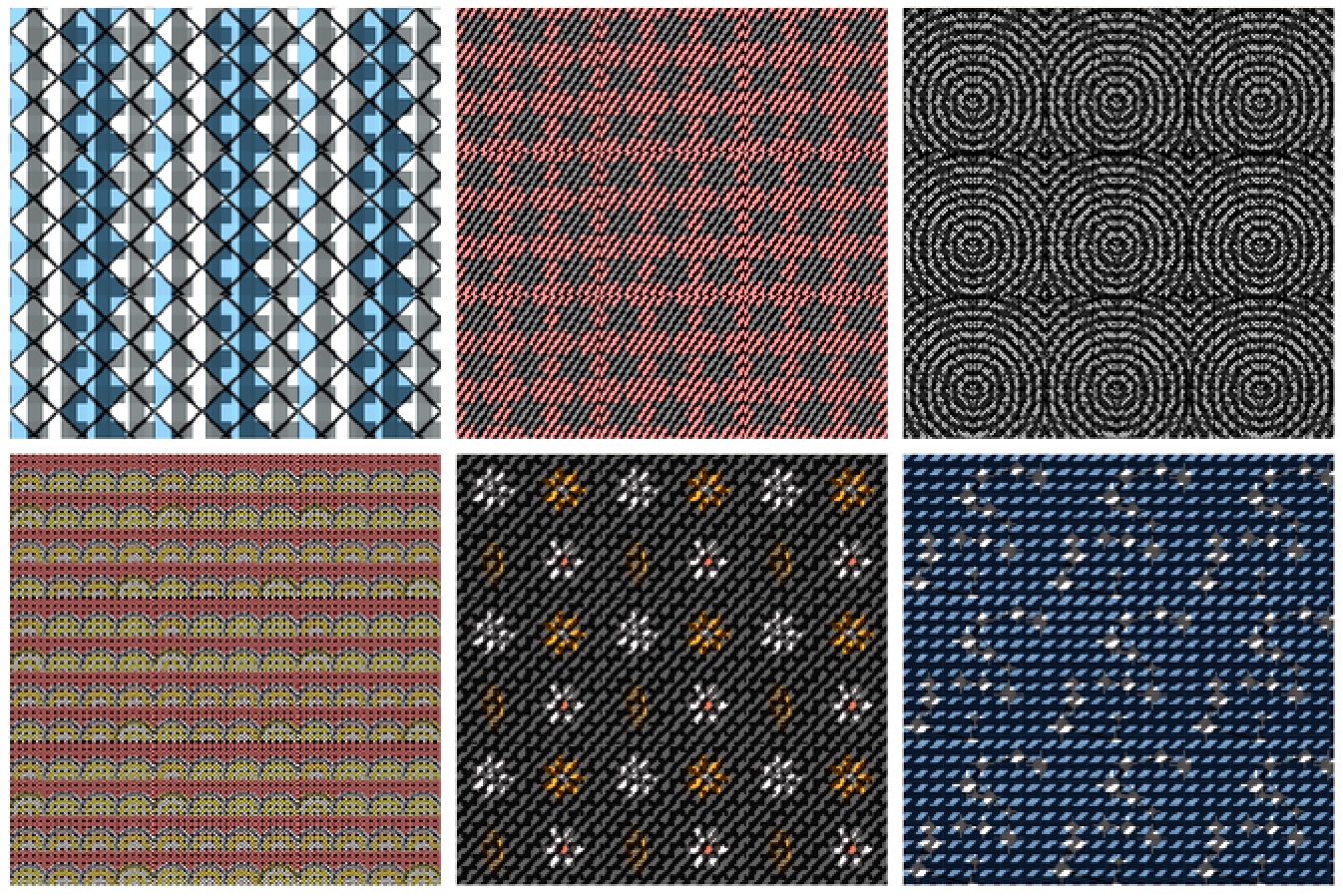
Adding another layer to this complex debate is research into adversarial patterns designed to thwart surveillance technology. A security researcher, as highlighted by TechCrunch, has developed an algorithm capable of generating computer-designed patterns. These patterns can effectively obscure individuals, faces, and vehicles from detection by surveillance cameras. This development presents a fascinating counterpoint: while governments and institutions explore tools for enhanced identification and tracking, others are actively seeking ways to maintain anonymity and evade detection.
These adversarial patterns function by subtly altering an image in ways that are imperceptible to the human eye but deeply confusing to AI-powered recognition systems. They can be printed on clothing, worn as accessories, or displayed on screens. The implication is that the arms race between surveillance technology and privacy-preserving countermeasures is already underway. For individuals concerned about being tracked, these patterns offer a potential, albeit technically nuanced, method of reclaiming a degree of anonymity in increasingly monitored public spaces.
The Unanswered Question: Balancing Security and Liberty
The core tension remains: can face-matching networks be deployed effectively to combat identity fraud without fundamentally eroding civil liberties? The Australian proposal, with its dual aims of identity verification and expanded police access to surveillance data, encapsulates this dilemma. The potential benefits of preventing fraud are substantial, offering a more robust defense against a growing threat. Yet, the path toward a national face-matching system is fraught with the risk of creating a pervasive surveillance infrastructure.
What nobody has fully addressed yet is the long-term societal impact of normalizing such pervasive identification technologies. If face matching becomes a standard part of identity verification, what does this mean for freedom of movement and assembly? How do we ensure that these powerful AI tools are not disproportionately used against certain demographics or for purposes beyond their stated intent? The current debate in NSW, and similar discussions globally, hinges on finding a delicate balance. This balance requires not only robust technical safeguards and stringent legal frameworks but also continuous public discourse and an unwavering commitment to protecting fundamental privacy rights. The very existence of adversarial patterns suggests that the battle for privacy in the age of AI-driven surveillance is far from over, and the outcomes remain uncertain.