What is Exploded?
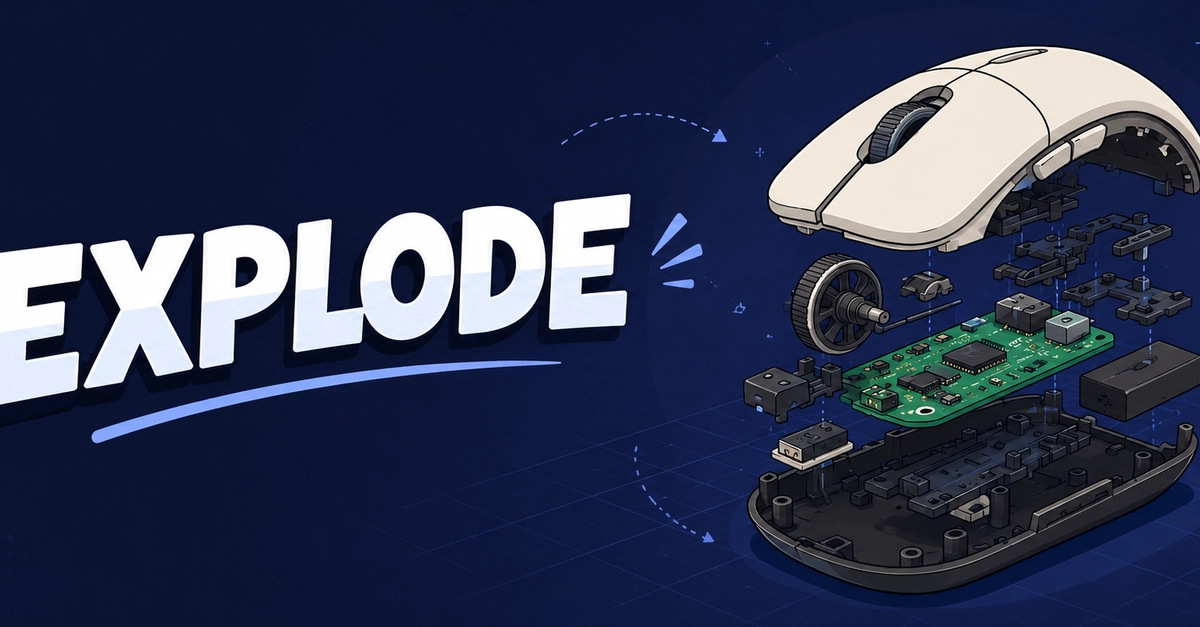
Exploded is a novel web application that brings the childhood joy of taking things apart to the digital realm. Developed by Ananth Ram Omkar as a submission for the Weekend Challenge: Passion Edition, Exploded allows users to select from a curated list of 3D objects – including a hard disk, a watch, and a smartphone – and then digitally deconstruct them. The tool visualizes each component, enabling users to learn about how these devices work through interactive exploration and AI-powered Q&A.
The core concept is rooted in a personal passion for understanding how things function by disassembling them. While physical deconstruction can be messy and sometimes irreversible, Exploded offers a clean, digital alternative. It caters to a curiosity-driven learning approach, making complex mechanisms accessible and understandable without the need for physical tools or the risk of losing parts.
Interactive Learning and AI Integration
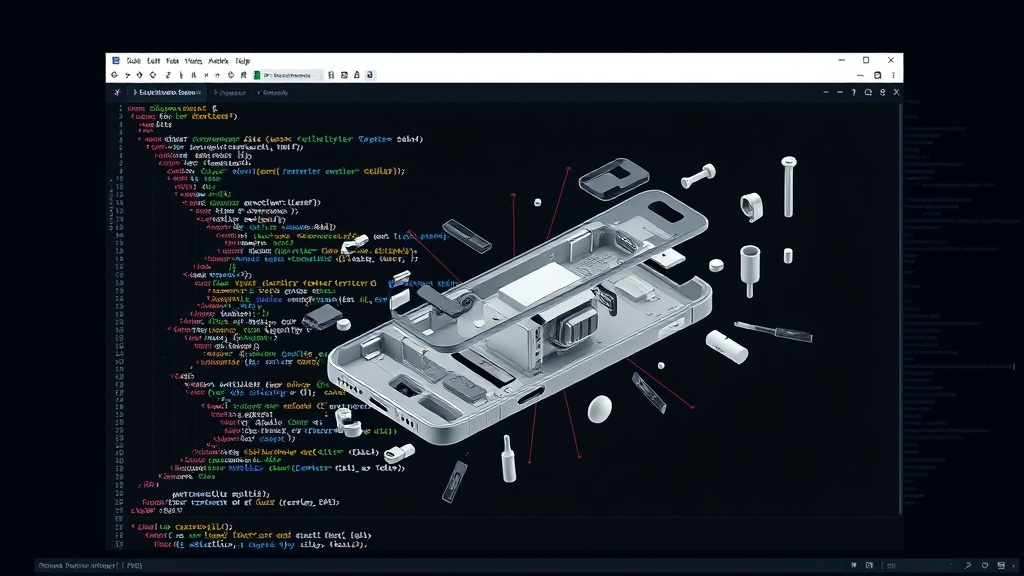
Exploded goes beyond simple visualization. Once a 3D model is exploded, users can click on individual parts to get more information. For those who prefer a guided experience or wish to dive deeper into specific components, the application integrates with Gemini, an AI model. Users can ask questions about the parts they are viewing, fostering a dynamic learning environment where curiosity is the primary driver. This conversational approach to learning about technical objects is a key differentiator.
To further enhance the learning experience, Exploded includes an optional tour mode. This feature leverages ElevenLabs' text-to-speech technology to provide voice narration. As the model is deconstructed, a clear and engaging voice explains the function and significance of each component. This caters to users who learn best through auditory means or prefer a more passive, guided exploration of the 3D models.
Technology Stack and Deployment
The application is built using Three.js, a popular JavaScript library for creating and displaying 3D graphics in a web browser. This choice of technology allows for smooth, interactive 3D rendering directly within the web interface, making the deconstruction process visually appealing and responsive. The use of Three.js ensures that the application is accessible via any modern web browser without requiring dedicated plugins or downloads.
Exploded is deployed on Vercel, a cloud platform for frontend frameworks and static sites. However, the publicly accessible Vercel deployment omits API keys for security reasons. This means that while the 3D visualization and exploration features are fully functional, the AI-powered Q&A with Gemini may not be available on the public demo. Interested users and developers can access the full functionality by running the application locally, provided they have the necessary API keys and development environment set up.
Code and Future Potential
The source code for Exploded is available on GitHub, encouraging transparency and community contribution. Developers can examine the codebase to understand how the 3D models are managed, how the deconstruction animations are implemented, and how the AI and voice narration features are integrated. This open approach aligns with the spirit of learning and sharing that the project embodies.
The potential applications for Exploded are broad. Beyond personal learning and hobbyist exploration, it could be adapted for educational institutions to teach engineering, product design, or even history through the deconstruction of historical artifacts. In a professional context, it could serve as a training tool for technicians or as a marketing aid to showcase product design and complexity. The ability to easily add new 3D models means the library of explorable objects can grow, making it a versatile platform for digital deconstruction.
The project highlights a creative use of modern web technologies to solve a simple yet engaging problem: understanding how things are put together. By abstracting the physical act of disassembly into a digital experience, Exploded makes learning about complex objects more accessible, interactive, and fun. The integration of AI and voice narration adds layers of sophistication, catering to diverse learning preferences and pushing the boundaries of what educational web applications can achieve.
While the current iteration focuses on a few select objects, the underlying architecture is extensible. Future development could see a wider range of objects, more sophisticated interaction models, and deeper integration with educational platforms. The project serves as a compelling example of how passion projects can leverage cutting-edge technology to create unique and valuable learning experiences.