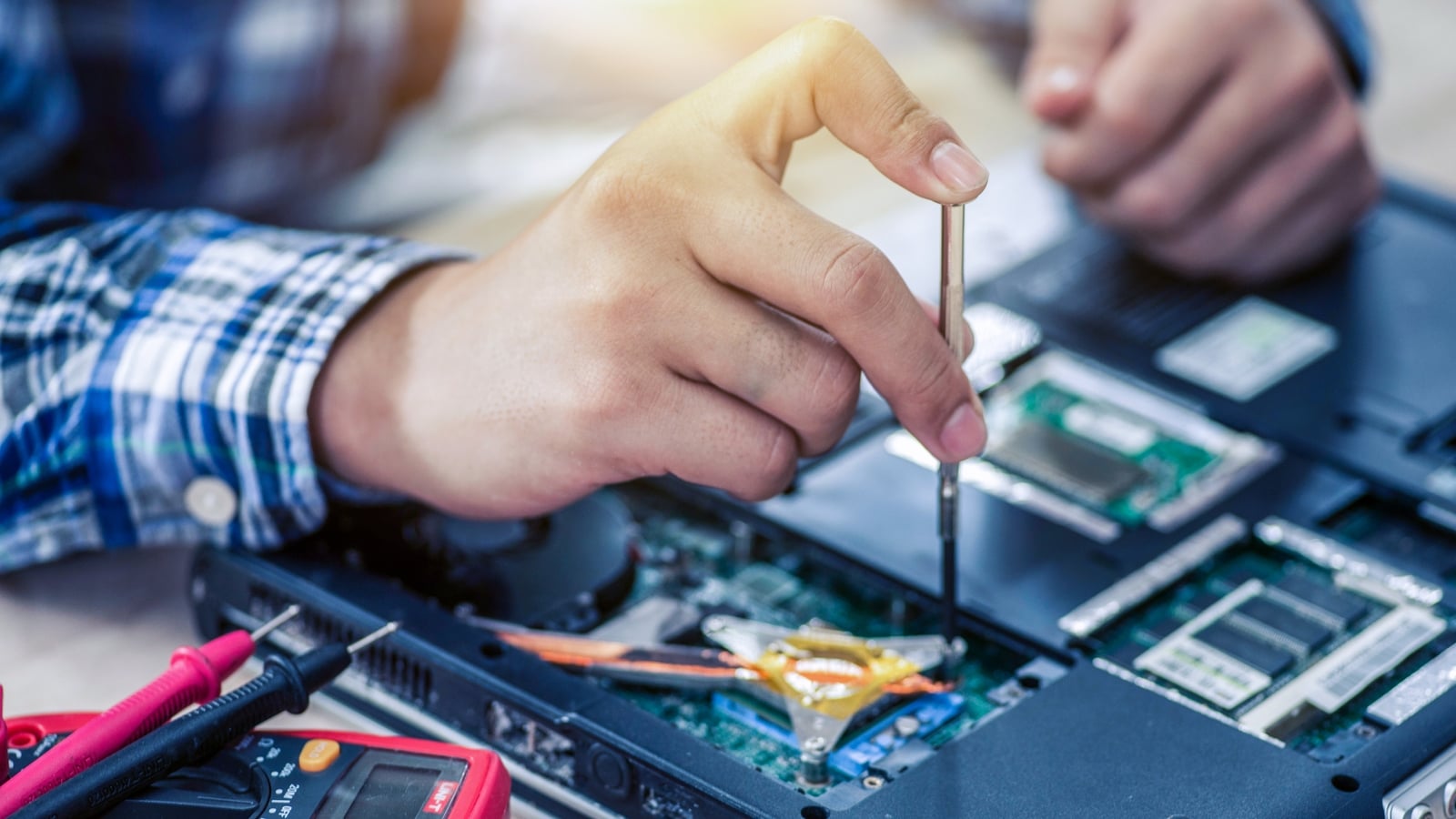
The Right to Repair Arrives in the EU
A significant shift in consumer electronics and appliance policy has arrived across the European Union. As of August 24, 2026, new EU-wide regulations mandating product repairability are officially in force. This legislation, part of the EU's broader commitment to a circular economy and sustainability, aims to fundamentally alter the relationship between consumers, manufacturers, and the lifespan of their products. The core principle is simple: products should be designed, manufactured, and maintained to last longer, reducing electronic waste and empowering consumers with more choices beyond simply replacing a broken item.
The new rules target a wide array of consumer goods, including household appliances, lighting, electronic displays, and servers. Manufacturers are now legally obligated to make these products repairable. This includes providing spare parts, repair information, and diagnostic tools to professional repairers, and in some cases, directly to consumers. The goal is to move away from a disposable culture, where minor malfunctions often lead to immediate product replacement, and towards a model where repair is a viable, accessible, and cost-effective option.
This legislative push is not merely about environmental consciousness; it's a strategic economic move. By extending product lifespans, the EU anticipates significant reductions in the volume of e-waste generated annually, which currently poses a substantial environmental and health challenge. Furthermore, it aims to foster a new ecosystem of independent repair businesses, creating jobs and offering consumers more competitive repair services. The legislation also implicitly challenges the business models of some manufacturers that have historically relied on frequent product upgrades and a lack of readily available repair options.
Key Requirements for Manufacturers
The legislation imposes several concrete obligations on manufacturers. Foremost among these is the requirement to ensure that products placed on the EU market can be easily disassembled and repaired. This means avoiding proprietary screws where standard ones would suffice, ensuring components are not permanently glued together without good reason, and designing products with modularity in mind. For professional repairers, manufacturers must supply specific spare parts for a minimum period after the product is no longer manufactured. The duration of this supply obligation varies by product category but is designed to cover a significant portion of a product's expected useful life.
Beyond physical repairability, the rules also mandate the provision of repair information and diagnostic tools. This information must be made available to professional repairers, and for certain product categories, even to consumers. This transparency is crucial, as it empowers a wider range of actors to undertake repairs, thereby increasing competition and potentially lowering repair costs. Think of it less like a secret recipe that only the original chef knows, and more like an open-source manual that any skilled technician can use. The information provided is expected to include details on how to disassemble the product, how to identify faulty components, and how to replace them safely and effectively.
Software-related restrictions are also addressed. Manufacturers are prohibited from using technical measures that prevent repairs or the use of compatible spare parts. This includes software locks that could render a device inoperable after an unauthorized repair or the use of non-OEM parts. The intention is to ensure that the 'right to repair' is not undermined by digital barriers, allowing for a broader spectrum of repair solutions.
Broader Implications and Consumer Impact
The impact of these new rules extends far beyond the manufacturing floor. For consumers, the immediate benefit is the potential for reduced costs associated with product ownership. Instead of facing a hefty bill for a new device when an existing one malfunctions, consumers may find repair to be a more economical and environmentally responsible choice. The availability of independent repair services, bolstered by access to parts and information, is expected to drive down repair prices through market competition.
However, the transition will not be without its challenges. Manufacturers will need to invest in redesigning products and retooling supply chains. This could lead to a temporary increase in upfront product costs as these investments are absorbed. Consumers might also face a learning curve, understanding which products are covered by the new rules and how to access repair services. The availability and quality of independent repair services will also be a critical factor in the success of this legislation. If professional repairers lack the skills or tools to perform repairs efficiently, the intended benefits may not fully materialize.
The EU's move is a clear signal to the global market. As one of the world's largest economic blocs, its legislative decisions often set precedents that other regions follow. This could encourage manufacturers worldwide to adopt more repairable design principles, even for products not destined for the EU market. The long-term vision is a global shift towards more sustainable consumption patterns, where products are valued for their durability and repairability, rather than their disposability.
The Road Ahead
The enforcement of these regulations will be closely watched. National authorities within EU member states will be responsible for overseeing compliance, and mechanisms for reporting and addressing non-compliance will be crucial. The effectiveness of the legislation will ultimately be measured by a tangible reduction in e-waste, an increase in the average lifespan of consumer products, and a thriving repair sector across the Union.
What remains to be seen is how quickly manufacturers will adapt and innovate within these new parameters. Will this spur a wave of truly modular and upgradeable devices, or will companies find ways to comply with the letter of the law while minimizing disruption to their existing business models? The coming years will reveal the true transformative power of the EU's commitment to a more sustainable and repairable future for consumer goods.