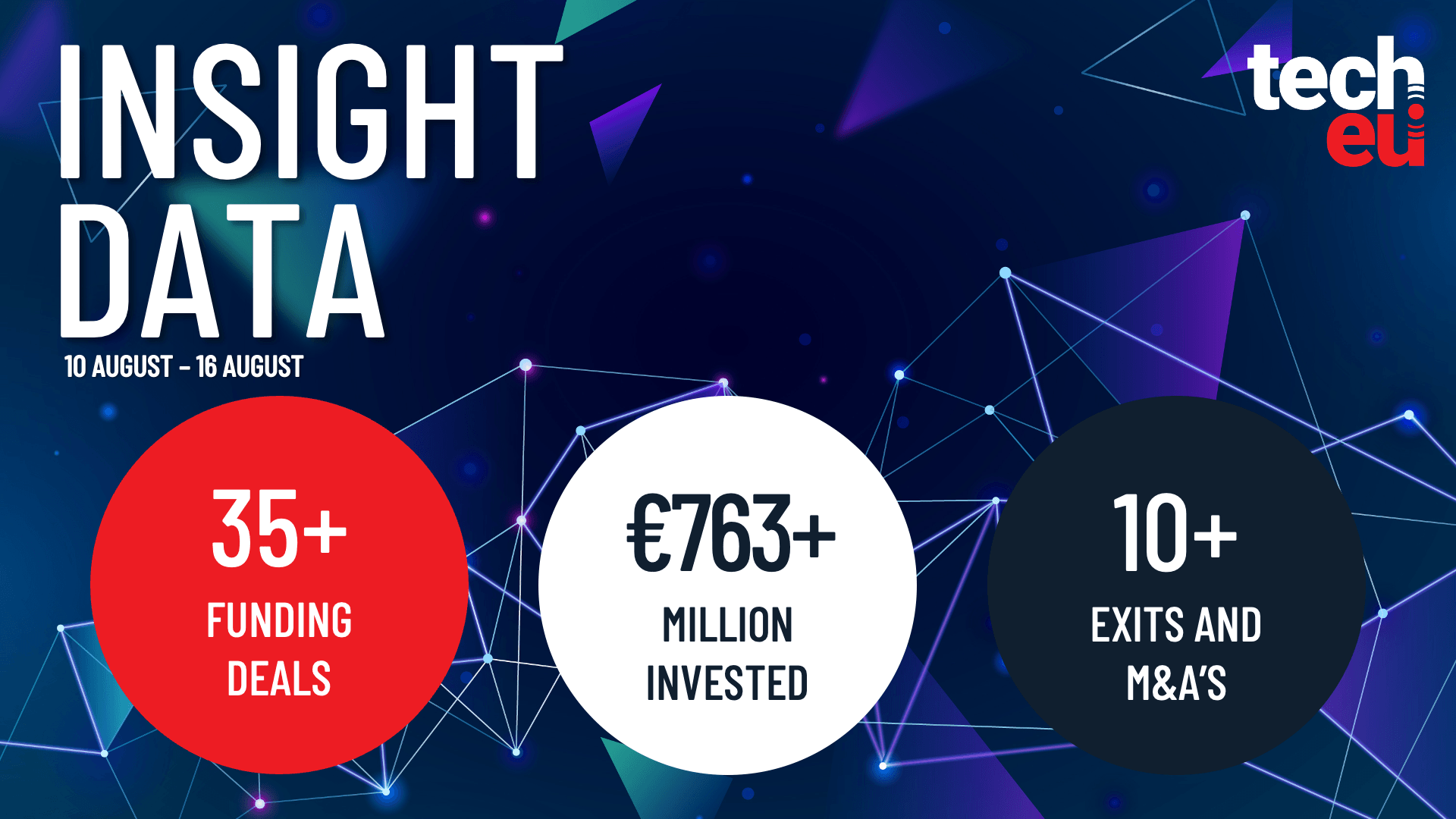
European Tech Investment Surges Past €763 Million
Last week was a robust period for the European technology sector, marked by over 35 distinct funding rounds collectively injecting more than €763 million into startups and scale-ups. This significant capital infusion underscores continued investor confidence in the region's innovation ecosystem. Beyond new investments, the week also saw more than 10 exits, mergers, acquisitions, and related strategic maneuvers, highlighting a dynamic market landscape.
While the exact breakdown by industry for every deal is extensive, preliminary tracking indicates that the top three sectors attracting the most significant portions of this capital were consistent with recent trends, though specific sector leaders may shift weekly. These often include areas such as software-as-a-service (SaaS), fintech, and deep tech, which continue to demonstrate strong growth potential and market traction. The sheer volume of deals, exceeding 35, suggests a broad-based interest across various technological domains, from early-stage ventures seeking seed funding to more mature companies raising substantial growth capital.
Key Investment Trends and Sector Focus
The €763 million figure represents a healthy flow of capital, indicating that despite broader economic uncertainties, investors are actively seeking opportunities within European tech. This trend is particularly encouraging for founders navigating the current climate. The diversity of deals, spanning multiple countries and stages, suggests that while large, headline-grabbing rounds are important, there is also a steady stream of support for smaller and mid-sized companies that form the backbone of the tech economy.
While specific company names and deal sizes within the reported 35+ funding rounds are detailed in comprehensive weekly recaps, the overall momentum points to several key themes. Firstly, there's a sustained interest in B2B software solutions that promise efficiency gains and digital transformation for enterprises. Secondly, sectors leveraging AI and machine learning continue to attract significant attention, with investors betting on the transformative power of these technologies across various applications. Thirdly, sustainable technology and climate tech remain areas of focus, reflecting a growing awareness and demand for solutions addressing environmental challenges.
The prevalence of SaaS companies in funding rounds is not surprising. Businesses across all industries are increasingly reliant on cloud-based software for operations, customer relationship management, data analytics, and cybersecurity. European SaaS startups have consistently proven their ability to develop sophisticated, scalable solutions that meet these evolving demands. Similarly, fintech continues to be a hotbed of innovation, with companies disrupting traditional banking, payments, and investment services through novel digital platforms and decentralized technologies.
Exits and M&A Activity Signal Market Maturation
The more than 10 exits, mergers, and acquisitions observed last week paint a picture of a maturing European tech market. These transactions are crucial for the ecosystem, providing liquidity for early investors and founders, and often leading to the consolidation of market segments or the expansion of successful companies into new territories. An exit can take many forms, from a large corporation acquiring a promising startup to a successful company going public via an IPO, or even a strategic merger with a competitor to create a stronger, more unified entity.
The nature of these exits — whether they are acquisitions by strategic buyers, private equity buyouts, or IPOs — provides valuable insights into market valuations and the perceived long-term potential of different tech sub-sectors. For instance, a flurry of acquisitions in a particular niche might signal that larger players are looking to quickly gain market share or acquire specific technologies. Conversely, successful IPOs indicate that companies have reached a scale and maturity that allows them to access public markets for further growth capital and offer liquidity to their shareholders.
Understanding the drivers behind these exits is as important as tracking the funding rounds. Are companies being acquired due to strong performance and market leadership, or are some exits a response to challenging market conditions? The ongoing analysis of these strategic moves helps to define the competitive landscape and identify emerging leaders. The fact that over 10 such events occurred in a single week suggests a healthy churn and evolution within the European tech scene, where successful ventures are recognized and integrated or scaled further.
What This Means for the European Tech Ecosystem
The combination of substantial investment and active M&A provides a dual benefit to the European tech ecosystem. On one hand, the influx of capital fuels innovation, job creation, and the scaling of new technologies. It empowers startups to pursue ambitious growth strategies, invest in research and development, and expand their market reach. On the other hand, the exits validate the potential of European technology and provide a return for the risk-takers, encouraging further investment in the future.
This sustained activity indicates that Europe remains a critical hub for technological advancement and entrepreneurial talent. While specific figures and company names provide the granular detail, the overarching narrative from last week is one of robust activity and continued growth. For founders, it means opportunities for funding and potential exit strategies are present. For investors, it signifies a market ripe with potential, albeit requiring careful due diligence. For the broader economy, it points to a sector that is increasingly contributing to innovation, competitiveness, and economic development across the continent.
The data from this past week suggests that the European tech scene is not only resilient but is actively expanding its influence. The €763 million invested, coupled with the strategic exits, forms a virtuous cycle that propels the ecosystem forward. As we continue to monitor these trends, it will be crucial to observe which specific sub-sectors continue to dominate investment and which types of exits become more prevalent, offering a clearer picture of the market's evolving priorities and strengths.