EU Enhances Digital Literacy Framework for AI Era
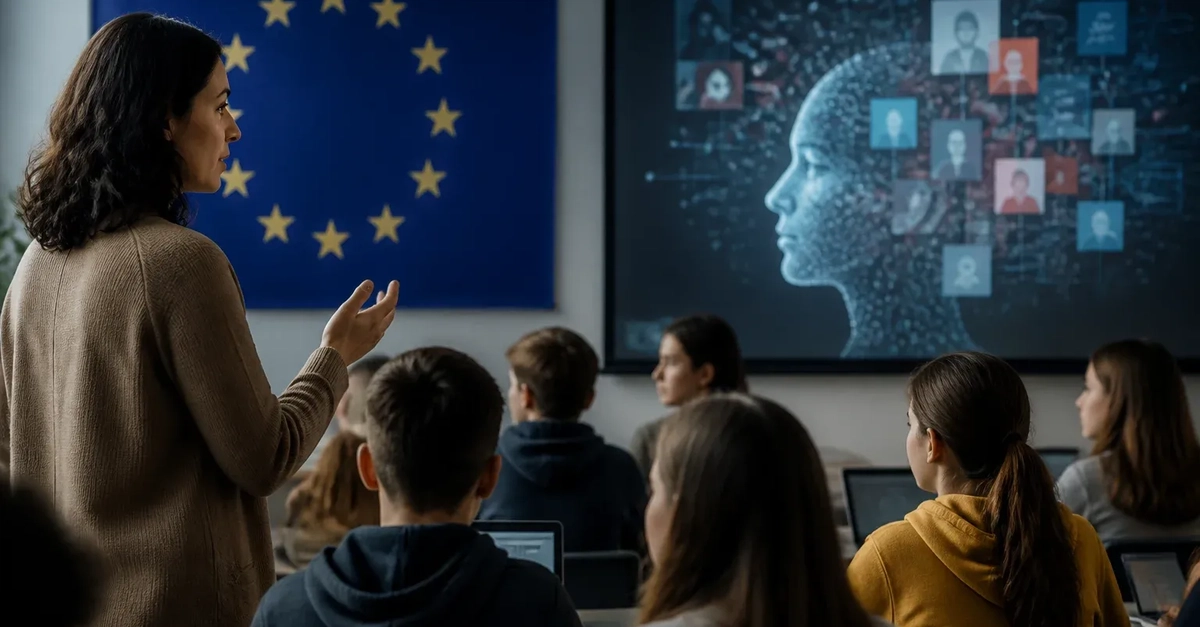
The European Commission has significantly updated its guidance for teachers and educators, broadening its scope to address the evolving landscape of online disinformation, particularly concerning generative AI. This refresh provides educators with crucial new materials designed to empower young people in critically assessing online information and building resilience against misleading content, including sophisticated AI-generated falsehoods.
The updated guidelines are integrated into the EU's broader Digital Education Action Plan (2021-2027). The European Commission publication record indicates that the Directorate-General for Education, Youth, Sport and Culture released the updated publication on June 4, 2026. This initiative underscores the EU's commitment to fostering a digitally literate citizenry capable of navigating the complexities of the modern information environment.
The original guidance, established prior to the widespread proliferation of advanced generative AI, focused on traditional forms of disinformation and general digital literacy. The revision acknowledges the profound impact that AI tools, such as large language models capable of generating convincing text and images, have on the creation and dissemination of false narratives. Educators are now tasked with equipping students to identify AI-generated content, understand its potential for manipulation, and develop critical thinking skills to discern truth from fabrication.
Key Additions in the Updated Guidelines
The revised guidelines introduce several critical new areas of focus, moving beyond foundational digital literacy to address contemporary challenges:
- Generative AI: The guidance explicitly addresses the capabilities and risks associated with generative AI tools. It aims to educate teachers on how these tools function and how they can be misused to create convincing fake news, deepfakes, and other forms of deceptive content. Educators will learn strategies to help students question the authenticity of AI-generated material and understand the underlying technology.
- Influencer Dynamics: The updated materials delve into the role of online influencers in shaping public opinion and disseminating information, both accurate and misleading. The guidance helps teachers understand how influencer marketing, sponsored content, and personal endorsements can be leveraged to promote specific narratives, sometimes without full transparency. It encourages critical analysis of influencer content and its persuasive techniques.
- Prebunking: A significant addition is the emphasis on 'prebunking' – a proactive strategy to inoculate audiences against misinformation before they encounter it. This involves exposing individuals to weakened forms of misinformation or explaining common manipulation tactics, thereby building cognitive resistance. The guidelines offer practical methods for educators to implement prebunking strategies in the classroom, making students less susceptible to falling for disinformation campaigns.
Empowering Educators and Students
The European Commission recognizes that effectively tackling AI-driven disinformation requires a well-equipped teaching force. The updated guidelines provide educators with practical tools, pedagogical approaches, and resource recommendations. These are designed to be adaptable to various age groups and educational settings across the EU member states.
The goal is not merely to warn students about online dangers but to foster a generation of critical thinkers and responsible digital citizens. By understanding the mechanisms of disinformation, the influence of online personalities, and the power of proactive inoculation, students can become more discerning consumers of information. This proactive approach is essential in an era where the lines between authentic and synthetic content are increasingly blurred.
Broader Implications for Digital Education
This update signifies a critical evolution in how educational bodies are responding to technological advancements. The rapid development and accessibility of generative AI present unprecedented challenges to information integrity. The EU's proactive stance in updating its teacher guidelines demonstrates an understanding that educational frameworks must evolve swiftly to remain relevant and effective.
The inclusion of 'influencer dynamics' also reflects a growing awareness of the complex social and psychological factors that contribute to the spread of information and misinformation online. By incorporating these elements, the EU is encouraging a holistic approach to digital literacy that extends beyond technical skills to encompass critical social analysis.
The emphasis on 'prebunking' aligns with emerging best practices in combating misinformation. Instead of solely relying on debunking false claims after they have spread, this strategy aims to build a more robust defense by preparing individuals to identify and reject manipulative content. This shift from reactive to proactive measures is a significant development in the field of digital education and media literacy.
Challenges and Future Directions
While these updated guidelines are a positive step, significant challenges remain. The pace of technological change, particularly in AI, means that educational materials will require continuous updating. Furthermore, ensuring consistent implementation across diverse educational systems within the EU will require substantial investment in teacher training and resource development.
What remains to be seen is how effectively these guidelines will be translated into actionable classroom practices across all member states. The success of this initiative will ultimately depend on the willingness and capacity of national education systems to adopt and integrate these new recommendations, providing teachers with the support and training they need to implement them effectively. The long-term impact on students' ability to navigate the digital world and resist sophisticated disinformation campaigns will be a key metric to watch.