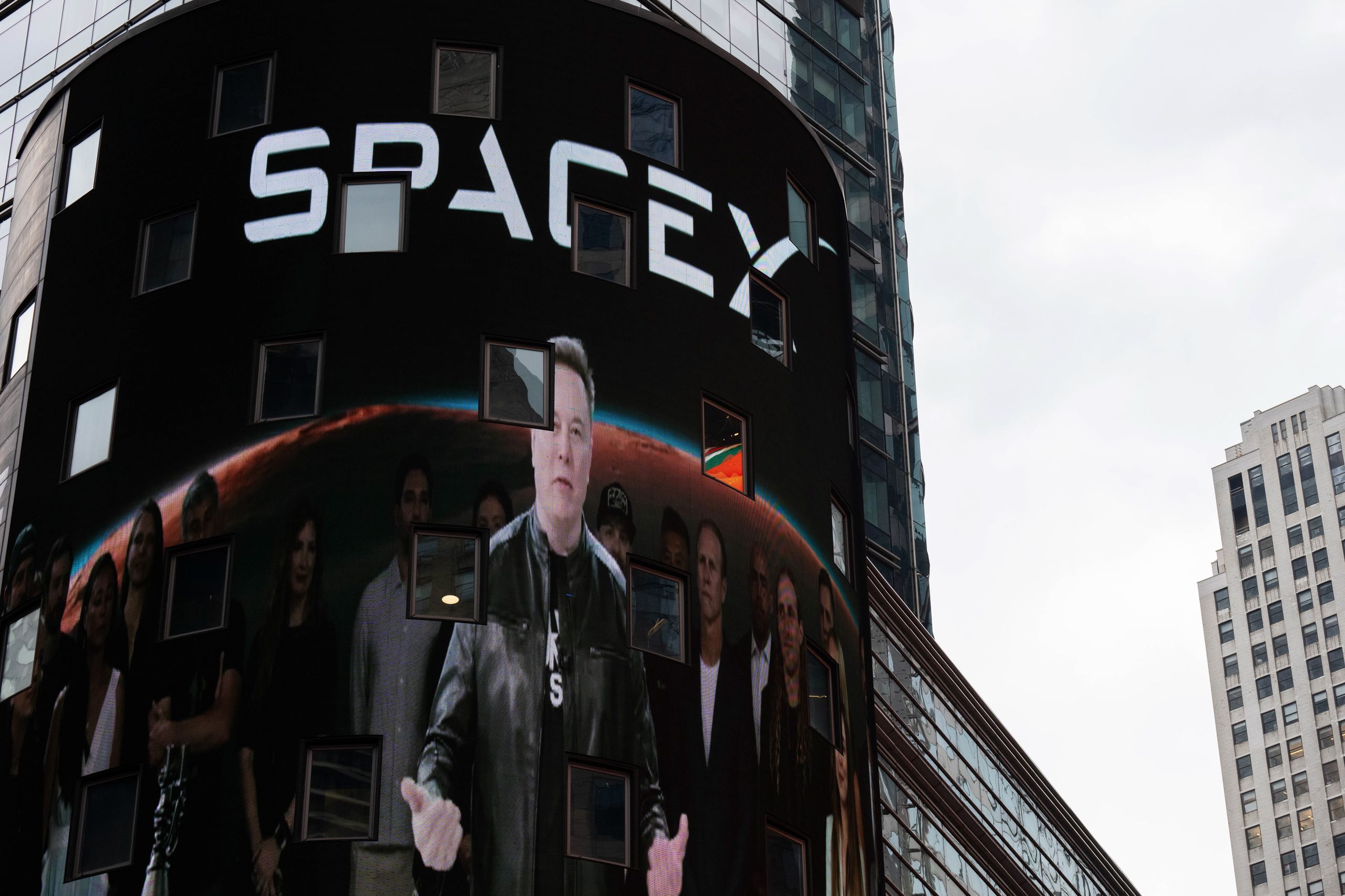
Musk Directly Addresses AI Device Speculation
Elon Musk, the ubiquitous figure behind SpaceX, Tesla, and X (formerly Twitter), has categorically refuted circulating rumors that SpaceX is developing a handheld artificial intelligence device. These reports suggested the device would run on a proprietary operating system and incorporate advanced AI capabilities from Musk's other venture, xAI. Musk's direct denial, shared on his X platform, explicitly labels the rumors as 'utterly false,' aiming to quash speculation that has gained traction across tech media.
The specific nature of the alleged device, as described in the initial reports, painted a picture of a sleek, next-generation gadget. Sources indicated it would be thinner than an iPhone and feature cutting-edge AI integration. This narrative, however, now stands directly challenged by Musk himself. The swiftness and finality of his rebuttal suggest a deliberate effort to correct what he perceives as misinformation, potentially to maintain focus on SpaceX's core missions or to prevent undue speculation about its technological direction.
SpaceX, primarily known for its ambitious space exploration goals, including reusable rockets and Mars colonization plans, has increasingly been associated with advanced technology development. Its involvement in Starlink, a satellite internet constellation, and its ongoing contributions to aerospace engineering have established a reputation for pushing technological boundaries. The idea of SpaceX venturing into consumer electronics, particularly a dedicated AI device, would represent a significant diversification, a move Musk appears intent on discrediting.
The Genesis of the Rumors
The speculation surrounding a SpaceX AI device appears to have originated from a combination of factors. Firstly, the increasing prominence and investment in AI, particularly through Musk's xAI company, naturally led to questions about how these advancements might manifest in tangible products. xAI, founded in July 2023, aims to 'understand the true nature of the universe' and has quickly become a significant player in the AI research landscape, with its Grok chatbot integrated into X.
Secondly, SpaceX's own internal technological prowess and its history of innovation likely fueled such theories. The company's engineering capabilities are well-established, and it has demonstrated an ability to develop complex hardware and software solutions for its aerospace endeavors. This track record could easily lead observers to speculate about potential spin-off products or new ventures leveraging their core competencies. The specific mention of a 'proprietary OS' and 'advanced AI capabilities' from xAI tied these two entities together, creating a plausible, albeit unconfirmed, narrative.
The reports, which surfaced shortly before Musk's denial, often cited unnamed sources familiar with the matter. These sources described a device that was not only technologically advanced but also aesthetically minimalist, designed to be exceptionally thin. This level of detail, while unverified, contributed to the credibility of the rumors within certain tech circles, making Musk's categorical denial all the more impactful.
Implications of Musk's Denial
Musk's unequivocal statement has immediate implications for the tech industry's narrative surrounding both SpaceX and AI hardware. It effectively closes the door on this specific line of speculation, redirecting attention back to SpaceX's primary objectives in space exploration and satellite communications. For developers and entrepreneurs who might have been contemplating how to integrate with or compete against such a hypothetical device, this clarification provides certainty.
The denial also highlights the challenges of discerning fact from fiction in an era of rapid technological advancement and constant speculation. Companies, especially those led by high-profile figures like Musk, often find themselves the subject of unverified rumors. His direct intervention serves as a reminder of the power of a single, authoritative voice to shape public perception and industry discourse. It underscores the importance of verifying information, particularly when it involves ambitious and potentially disruptive product announcements.
Furthermore, Musk's strong stance could be interpreted in several ways. It might genuinely reflect the non-existence of such a project. Alternatively, it could be a strategic move to deflect attention from ongoing, confidential development, or to preempt competitors. However, given the explicit language used ('utterly false'), the most straightforward interpretation is that the rumors are indeed baseless. This also implies that any synergy between SpaceX's hardware capabilities and xAI's software advancements is not currently planned for a dedicated consumer handheld device.
The Future of AI Hardware and SpaceX
While Musk has dismissed this specific rumor, the broader trend of AI integration into hardware continues unabated. The tech industry is witnessing a surge in AI-powered devices, from smartphones with enhanced on-device processing to specialized AI hardware accelerators. Companies are actively exploring new form factors and user experiences that leverage artificial intelligence. Musk himself, through xAI and his involvement with Tesla's AI efforts (particularly in autonomous driving and robotics), remains a significant force in the AI landscape.
SpaceX's role in this evolving technological ecosystem, even without a consumer AI device, remains substantial. Its advancements in satellite technology, high-speed communication, and complex engineering provide a foundation for numerous future applications. The company's focus on its core mission of space exploration and connectivity is unlikely to waver, but its technological innovations will undoubtedly continue to influence various sectors. The denial serves to reinforce that SpaceX's path is one of space infrastructure and exploration, not consumer AI gadgets.
Ultimately, the episode serves as a case study in managing technological narratives. Musk's swift and decisive denial prevents the rumor mill from churning further and potentially impacting SpaceX's strategic communications. It reaffirms the company's commitment to its established goals while leaving the door open for future, unannounced innovations that align with its core vision.