ElevenLabs has emerged as a powerful tool for generating AI-powered voice dialogue, particularly for game development. The quality of its output, especially for calm NPC dialogue and narration, is remarkably close to human recordings. However, a critical licensing detail in the free tier can trap unsuspecting developers: it explicitly prohibits commercial use. This means that while you can experiment and generate audio for personal projects, anything intended for a monetized game requires a paid subscription.
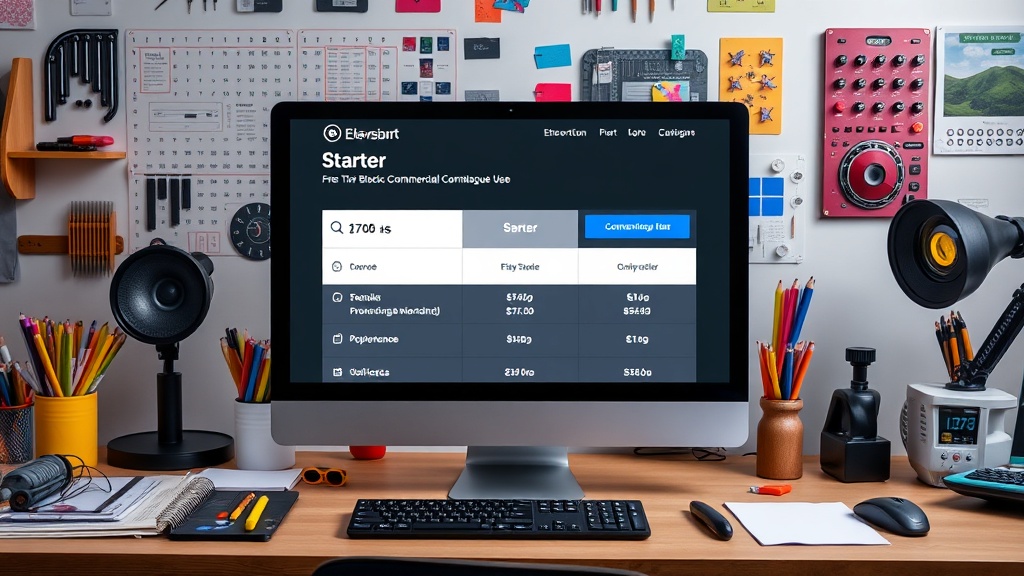
The threshold for commercially viable audio from ElevenLabs is not the free tier, but rather the Starter plan at $5 per month. This is a crucial distinction for game developers who might otherwise assume the free tier is a viable option for prototyping or even full game production. Relying on the free tier for a shippable product introduces significant licensing risks and potential legal complications.
Voice Design vs. Voice Cloning: Understanding the Nuances
Beyond the licensing, ElevenLabs offers two primary methods for voice generation: Voice Design and voice cloning. Understanding the differences and limitations of each is key to building an effective workflow.
Voice Design
Voice Design allows users to create synthetic voices from text descriptions alone. You can specify characteristics like "gruff middle-aged man, slight Eastern European accent." This method requires no audio input and offers greater stability across repeated generations. For developers needing consistent voice profiles without access to specific voice actors, Voice Design is a robust option. The generated voices tend to be more predictable, maintaining their intended tone and accent even with varied sentence structures or lengths.
Voice Cloning
Instant voice cloning, on the other hand, requires a sample of clean audio – typically 1 to 3 minutes. While it works well for generating short lines of dialogue, it presents challenges for longer or more complex sentences. The cloned voice can drift in tone, accent, or inflection over extended speech. For a main character with hundreds of lines of dialogue, this drift can become noticeable and detract from the overall audio quality and immersion. Developers planning to use voice cloning for extensive dialogue should rigorously test the cloned voice across a wide range of sentence structures and emotional expressions representative of their game's script. Committing to voice cloning without such testing could lead to significant post-production work or a compromised final product.
Workflow Considerations for Game Developers
Integrating AI voice generation into a game development pipeline involves more than just hitting a 'generate' button. Several workflow considerations can significantly impact efficiency and the final quality of the audio assets.
Iterative Dialogue Generation
The nature of game development often involves iterative scriptwriting and dialogue adjustments. When using AI voices, particularly cloned ones, developers must account for the time and effort required to regenerate audio for modified lines. If a script changes, even slightly, re-cloning or re-designing the voice for that specific line might be necessary. This contrasts with traditional voice acting, where retakes are managed by a studio. With AI, the developer or a designated audio engineer is responsible for managing these iterations.
Managing Voice Drift in Cloned Voices
As mentioned, voice drift is a primary concern with cloned voices, especially for longer dialogue segments. A potential workflow mitigation is to break down long speeches into smaller, manageable chunks. While this adds complexity to the audio editing process, it can help maintain consistency. Another approach is to use Voice Design for less critical characters or narration and reserve cloning for specific, shorter lines where consistency is less of a concern or where a specific actor's voice is essential and can be meticulously managed. For main characters, a hybrid approach might be best: use Voice Design for general dialogue and carefully manage cloning for key, impactful lines after thorough testing.
The Cost of "Free"
The most significant trap for game developers is the free tier's licensing restriction. What appears to be a cost-free solution for generating audio assets is, in reality, a non-commercial sandbox. The $5/month Starter plan is the minimum viable option for any game intended for release, whether it's a small indie title or a large-scale production. This cost, while seemingly low, adds up, especially when factoring in the volume of dialogue in most games. Developers must budget for this recurring expense, viewing it not as an optional add-on but as a fundamental part of their audio production costs. The perceived savings of the free tier are illusory if the generated audio cannot be legally used in the final product.
Beyond Dialogue: Narration and Soundscapes
While dialogue is a primary use case, ElevenLabs' capabilities extend to narration for tutorials, lore entries, and even background ambient speech. The quality of narration is often on par with dialogue, making it a versatile tool. However, the same licensing caveats apply. Any narrated content intended for a commercial game must be generated using a paid plan.
The implications for game development are clear: ElevenLabs offers a compelling path to high-quality, AI-generated voice assets. But developers must approach it with a clear understanding of the licensing terms and the technical nuances of voice design versus cloning. The free tier is an excellent way to explore the technology's potential, but for any project with commercial intent, the $5 Starter plan is the true entry point.
What remains to be seen is how quickly other AI voice providers will challenge ElevenLabs' market position, especially concerning licensing structures for game developers. The current landscape suggests a premium on commercially viable AI voice solutions, and ElevenLabs has set a precedent with its tiered approach.