Unified Multilingual Video Localization
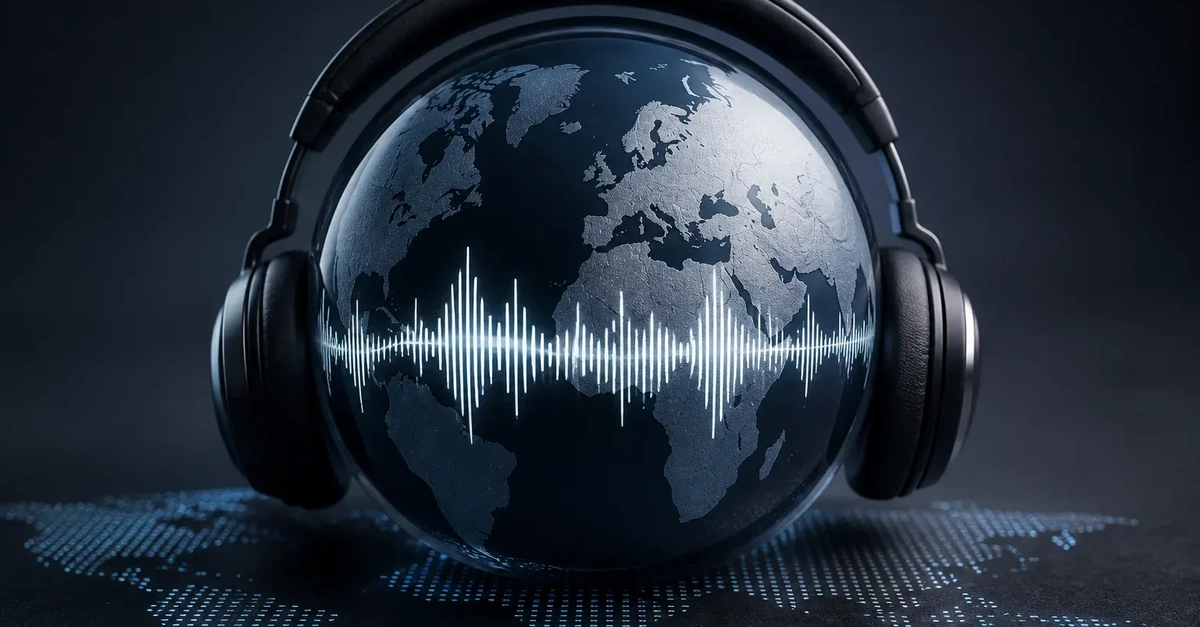
ElevenLabs has launched a new Dubbing Translation API that fundamentally changes how developers approach multilingual video and audio localization. Previously, achieving professional-sounding dubbed content in multiple languages required orchestrating a complex series of services: transcription, translation, voice generation, speaker identity preservation, and precise timing alignment. This new API collapses that entire workflow into a single, automated process. Users submit a video, audio file, or even a source URL, specify one or more target languages, and ElevenLabs handles the rest.
The core innovation is not merely adding more languages or voice options. It’s the integration. ElevenLabs is presenting this as a singular API operation, removing the burden of stitching together disparate services from developers. This unified approach promises to dramatically accelerate the localization process for content creators, businesses, and anyone needing to reach a global audience with their video or audio assets. The API supports dubbing and translation into more than 90 languages, all processed within a single API call. This includes not only translating the spoken content but also cloning the original speaker's voice characteristics and ensuring the dubbed audio remains perfectly synchronized with the on-screen action or original audio timing.
Technical Workflow Simplification
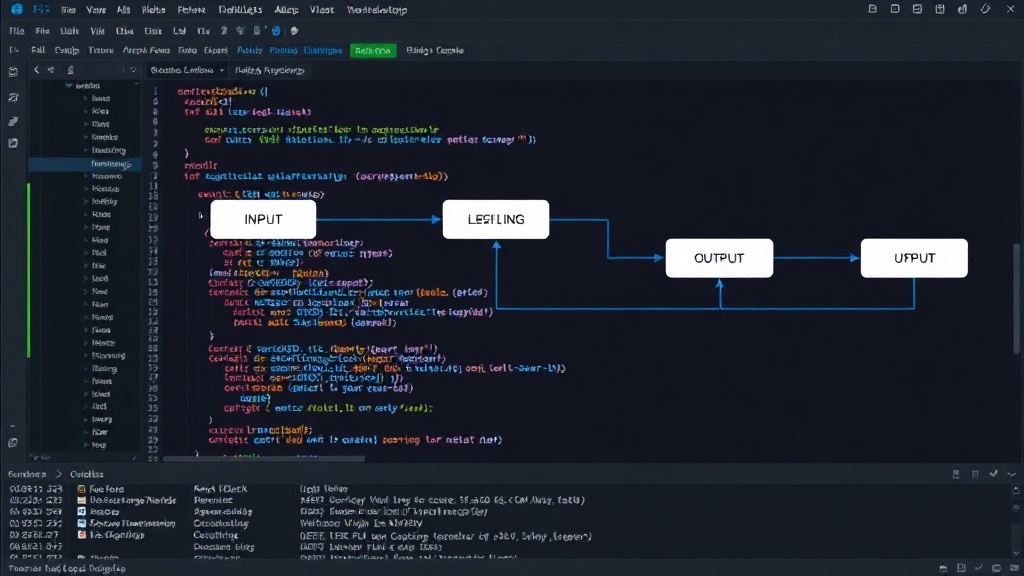
The Dubbing Translation API abstracts away the technical complexities that have long plagued video localization. Developers no longer need to manage separate transcription engines, translation APIs, text-to-speech (TTS) models, and audio synchronization tools. ElevenLabs’ platform now performs these functions end-to-end. When a request is made, the system first transcribes the original audio. This transcription is then translated into the target language(s). Crucially, ElevenLabs employs its advanced voice cloning technology to generate new audio in the target language, mimicking the original speaker’s tone, cadence, and emotional delivery. Finally, the generated audio is meticulously aligned with the video’s existing timing, ensuring lip-sync and natural pacing. This comprehensive pipeline ensures that the final dubbed output is not just linguistically accurate but also emotionally resonant and visually coherent.
This integration is a significant departure from previous methods. Imagine trying to build a global marketing campaign. Before, you might hire a translator, then a voice actor, then an audio engineer to match the video. Each step was a potential bottleneck and a point of failure. Now, you send one request and receive ready-to-deploy dubbed assets. The API's ability to preserve speaker identity is particularly noteworthy. It means a brand’s established voice can be maintained across different linguistic markets, reinforcing brand recognition and trust. The support for over 90 languages means a single content piece can be adapted for nearly any global market without a proportional increase in workflow complexity or cost.
Implications for Content Creators and Businesses
The impact of this unified API on content creation and business operations is substantial. For video creators, especially those on platforms like YouTube, TikTok, or educational sites, reaching a global audience has always been a challenge. The cost and time involved in traditional dubbing often made it prohibitive. ElevenLabs’ solution democratizes high-quality multilingual content production. A single YouTuber can now dub their explainer videos into dozens of languages, vastly expanding their potential viewership without needing a large production team or budget. Businesses can localize marketing materials, training videos, and customer support content more efficiently and cost-effectively than ever before. This enables faster market entry and improved customer engagement in non-English speaking regions.
The API's speed and efficiency are key differentiators. The ability to achieve this level of localization in a single API call means that dynamic content generation, such as personalized video messages or real-time interactive experiences, could become feasible with multilingual support. Consider a SaaS company that needs to provide product demos in multiple languages. Instead of maintaining separate video files for each language, they could potentially generate them on demand using this API, tailoring the experience precisely to the user’s linguistic preferences. The preservation of speaker identity also means that AI-generated dubbing will sound more authentic and less like generic machine translation, which can be a significant barrier to viewer engagement. This offers a bridge between the need for scalable localization and the desire for authentic, human-like audio experiences.
The Future of Scalable Localization
ElevenLabs’ Dubbing Translation API signifies a major step forward in making sophisticated AI-powered localization accessible and straightforward. By consolidating the entire dubbing pipeline into one API call, the company is not just offering a new feature; it’s providing a new paradigm for how multilingual content is produced. This move will likely put pressure on existing localization service providers and other AI voice companies to offer similar integrated solutions. The ease of use, combined with the breadth of language support and voice cloning capabilities, positions ElevenLabs as a key player in the rapidly evolving landscape of AI-driven media production. What remains to be seen is how this will impact the demand for human translators and voice actors in the long term, and whether new roles will emerge in managing and refining AI-dubbed content.