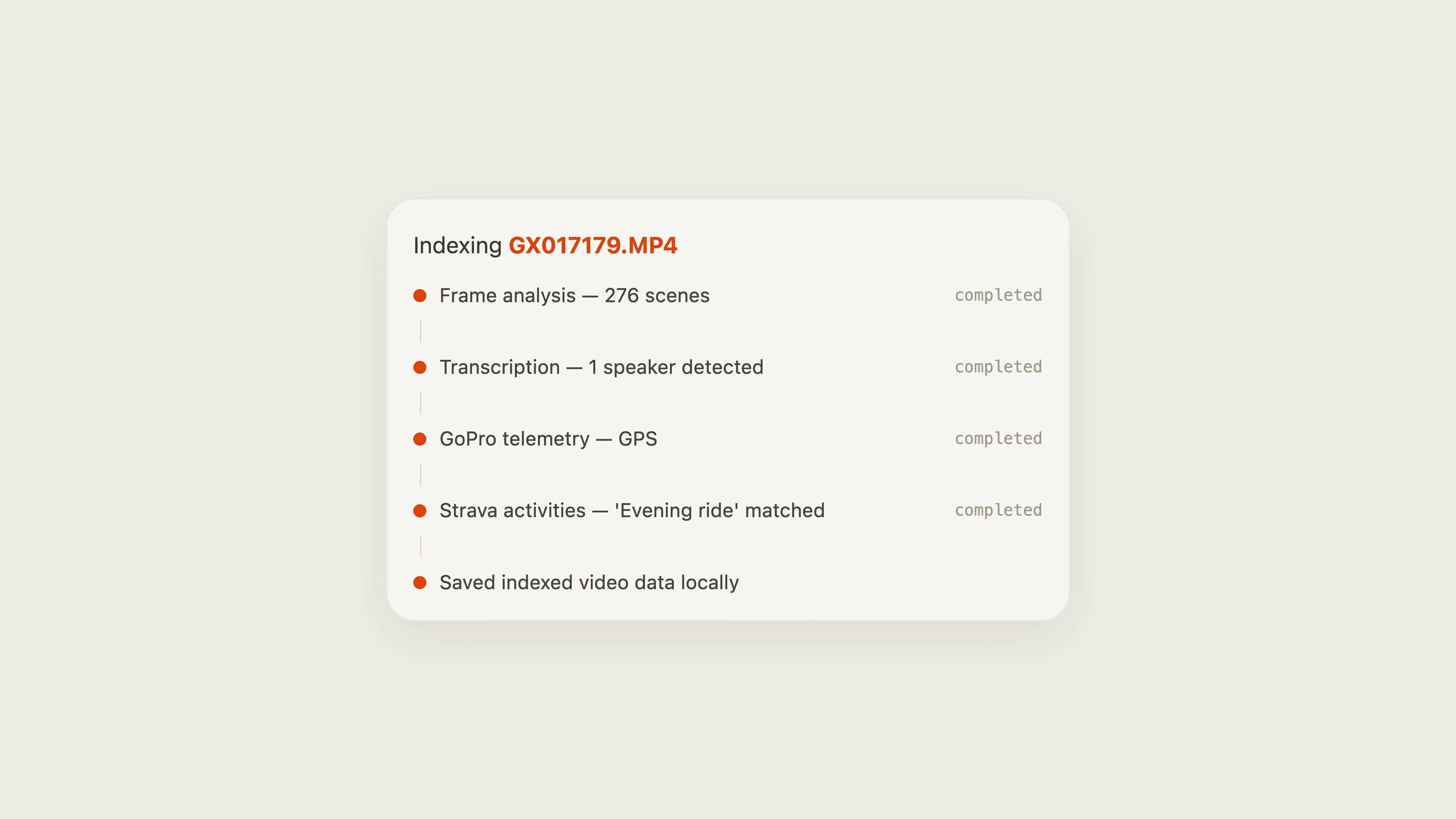
Automated Video-Strava Synchronization Arrives
The process of cataloging athletic achievements often extends beyond simple data logging. For athletes who also create video content of their training and races, manually linking these visual assets to their performance metrics has been a tedious, time-consuming chore. Today, that changes with the launch of Edit Mind’s integration with Strava. This new feature promises to automatically match user-generated video clips with the specific Strava activities they depict, streamlining content creation and archival for a wide range of athletes.
The core problem Edit Mind addresses is the disconnect between raw athletic data and its visual representation. While Strava provides a robust platform for tracking runs, rides, swims, and other activities, it doesn't inherently store or organize associated video footage. Users typically resort to manual tagging, searching through camera rolls, or relying on disparate cloud storage solutions. This new integration aims to bridge that gap, making it as simple as possible for athletes to find and associate the right video with the right workout.

How the Edit Mind × Strava Integration Works
At its heart, the integration leverages metadata. When a user connects their Strava account to Edit Mind, the platform gains access to their activity history. This includes details such as the date, time, duration, type of activity, and GPS data. Edit Mind then processes user-uploaded video clips, extracting similar metadata from the video files themselves or through user input during the upload process. The system's algorithm compares these data points to find the closest match between a video and a Strava activity.
For instance, if an athlete uploads a video taken on a Saturday morning and their Strava history shows a long bike ride that began at approximately the same time and lasted for a similar duration, Edit Mind’s system will propose this as a match. Users can then confirm or reject these suggestions, and even manually link clips if the automatic matching isn't precise enough. The goal is to achieve a high degree of accuracy out-of-the-box, reducing the need for manual intervention.
This is not simply about finding a video that happened on the same day. The system is designed to consider the temporal proximity, duration, and even location data if available from the video. For cyclists who might record multiple short clips during a single long ride, or runners who capture snippets before, during, and after a race, the system aims to identify which clip belongs to which segment of the activity. This granular matching is crucial for creating cohesive highlight reels or detailed training logs.
Implications for Content Creators and Athletes
The implications for athletes who double as content creators are significant. For triathletes, for example, a single race might involve three distinct disciplines. Manually sorting videos from the swim, bike, and run portions of an Ironman, and then aligning them with the corresponding Strava segments, can be a daunting task. Edit Mind's automation promises to cut down this workflow significantly, allowing creators to spend more time editing and less time organizing.
Think of it less like a disorganized hard drive and more like a meticulously curated digital scrapbook where every photo and video is automatically filed under the correct event. This frees up mental bandwidth for the creative process. For brands and sponsors, this could also mean more polished and timely content from sponsored athletes, as the barriers to production are lowered.
Furthermore, the integration could enhance personal training and analysis. Athletes can review their performance data alongside actual visual evidence of their form, technique, or environmental conditions. This can provide deeper insights than raw numbers alone. Did fatigue set in during the last mile? A video clip from that exact time, automatically linked, can offer visual confirmation and highlight areas for improvement.
The Tech Behind the Matchmaking
While the exact algorithms are proprietary, the underlying technology likely involves sophisticated data comparison engines. These engines are adept at handling time-series data, geospatial information, and categorical matching. The challenge lies in the variability of user-uploaded content. Videos might be recorded with different devices, at different resolutions, and with varying levels of embedded metadata. Some clips might be short, others long. Some might capture the entire activity, while others are just brief moments.
Edit Mind’s success hinges on its ability to create a robust matching system that accounts for these variables. The platform likely employs a scoring system where multiple factors contribute to a confidence score for each potential match. Factors such as time of day, duration of activity versus duration of video, and even GPS track similarity (if available from the video) would be weighed. The system is designed to be intelligent enough to handle slight discrepancies, such as a video being recorded a few minutes before or after the official Strava activity start time, which is common when athletes are preparing or cooling down.
What remains to be seen is how well the system handles edge cases. For instance, what happens when an athlete has two very similar activities close together in time, such as two similar-length training runs on consecutive days? Or how does it differentiate between a video of a training session and a video from a race that occurred on the same date? These are the finer points that will determine the ultimate utility and reliability of the integration for power users.
Future Possibilities and User Feedback
The launch of this Strava integration is a significant step for Edit Mind, positioning it as a key tool for athletes who value both performance data and visual storytelling. The company has indicated that this is just the beginning, with plans to explore further integrations and features that enhance the athlete content creation experience. Potential future developments could include AI-powered editing suggestions based on Strava data, or even direct integration with popular video editing software.
User feedback will be critical in refining the matching algorithms and identifying new feature needs. By automating the tedious task of linking video to activity data, Edit Mind is not just offering a new feature; it’s providing a more seamless workflow that empowers athletes to better capture, curate, and share their journey.