
The Edge Computing Imperative
The relentless growth of the Internet of Things (IoT), the rise of AI processing directly on devices, and the need for instantaneous data analysis are fundamentally reshaping computing architectures. We are moving away from the traditional, centralized cloud model towards a distributed edge computing paradigm. This approach brings computation and data storage physically closer to where data is generated. The benefits are clear: drastically reduced latency, significant bandwidth savings, and the capacity for immediate, real-time decision-making. However, this decentralization introduces substantial complexities, particularly for the middleware layer. Middleware, the critical software that bridges applications and underlying systems, enabling communication and data management, faces unprecedented challenges in both security and scalability within this new edge landscape.
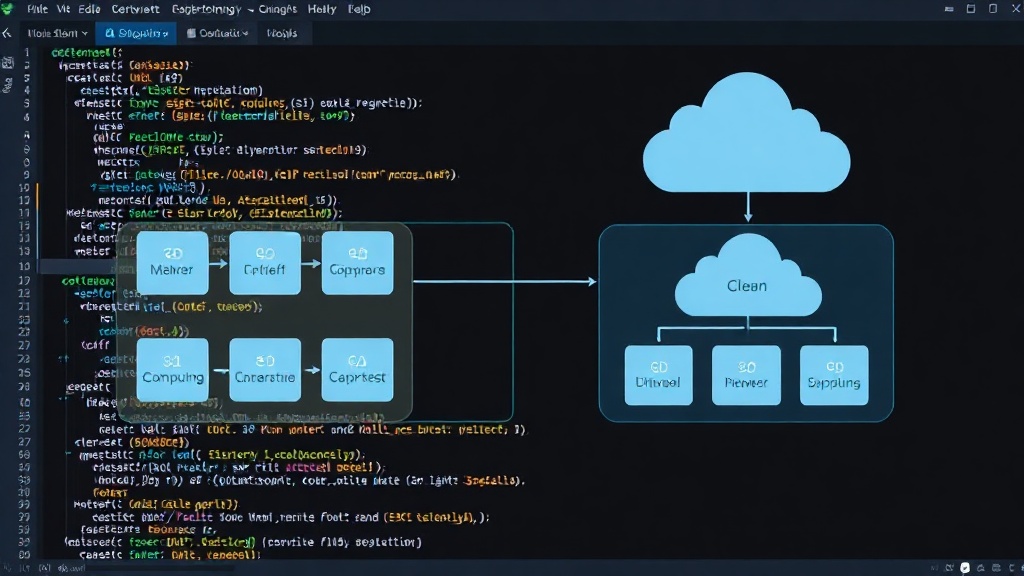
Middleware's Evolving Role at the Edge
In a distributed system, middleware must perform several key functions. It acts as the central nervous system, ensuring that data flows correctly and efficiently between a multitude of devices, sensors, gateways, and local processing nodes, before potentially relaying aggregated or critical information back to a central cloud or data center. This includes tasks like data collection, filtering, aggregation, protocol translation, and local processing. As edge deployments grow, the sheer volume and velocity of data generated by devices like smart cameras, industrial sensors, autonomous vehicles, and wearable health monitors necessitate middleware capable of handling this influx without becoming a bottleneck. The traditional cloud-centric middleware, designed for a more controlled and predictable environment, is often ill-equipped to manage the dynamic, heterogeneous, and often resource-constrained nature of edge nodes.
Security: The Paramount Challenge
The distributed nature of edge computing presents a significantly expanded attack surface. Instead of a few hardened data centers, security must now be considered across thousands, potentially millions, of endpoints. Each edge device, and the middleware running on it, becomes a potential entry point for malicious actors. Securing this dispersed network requires a multi-layered approach. Authentication and authorization mechanisms must be robust and capable of operating in environments with intermittent connectivity. Data encryption, both in transit and at rest on edge devices, is non-negotiable. Furthermore, the middleware itself must be designed with security at its core, incorporating features like secure boot, runtime integrity checks, and secure over-the-air (OTA) updates to patch vulnerabilities promptly. Zero-trust principles, where no device or user is implicitly trusted, become especially relevant. The challenge is to implement these security measures without crippling the performance or consuming the limited resources of edge devices.
Scaling for the Unpredictable
Scalability at the edge is a complex beast. It's not just about handling more devices, but about managing dynamic device populations, varying data loads, and intermittent network connectivity. Middleware solutions must be lightweight and modular, allowing for deployment on devices with minimal processing power and memory. They need to support auto-discovery and registration of new devices, as well as graceful handling of device disconnections and reconnections. The ability to dynamically scale processing and data handling capabilities up or down based on real-time demand is crucial. This might involve distributed load balancing, message queuing systems designed for high throughput and low latency, and efficient data serialization formats. Think of it less like a single, massive factory and more like a network of small, adaptable workshops that can be spun up or down as needed, each coordinating seamlessly with the others.
Architectural Considerations and Solutions
Several architectural patterns and technologies are emerging to address these challenges. Microservices architectures are well-suited for edge middleware, allowing for independent deployment and scaling of specific functionalities. Lightweight messaging protocols like MQTT and CoAP are becoming standard for device communication due to their low overhead. Containerization technologies, such as Docker and Kubernetes (or more lightweight variants like K3s for edge), enable consistent deployment and management of middleware services across diverse edge environments. For data management, distributed databases and time-series databases optimized for edge deployments are gaining traction. Edge platforms and frameworks are also maturing, offering integrated solutions for device management, data processing, and application deployment. The key is to design middleware that is not only functional but also resilient, adaptable, and secure by default, embracing the inherent distributed nature of the edge rather than fighting against it.
The Future of Edge Middleware
As edge computing continues its rapid expansion, the role of middleware will only become more critical. The ongoing development of more sophisticated AI models running at the edge, the increasing density of connected devices, and the demand for even lower latency will push the boundaries of current solutions. Future middleware will likely incorporate more advanced capabilities for autonomous operation, self-healing, and dynamic resource allocation. Enhanced security features, potentially leveraging hardware-based security modules and advanced cryptographic techniques, will be essential. The race is on to build middleware that can effectively manage the complexities of distributed systems, enabling the full potential of the edge computing revolution while ensuring the integrity and security of the data flowing through it. What nobody has fully addressed yet is the long-term maintenance and upgrade strategy for middleware deployed on potentially millions of highly diverse, resource-constrained devices in remote or inaccessible locations.