EcoNomad Targets Farm Emissions and Costs with Waste-to-Energy
UK-based startup EcoNomad Solutions has secured £400,000 in funding, with a significant £230,000 contribution from the British Design Fund (BDF), to accelerate the deployment of its innovative waste-to-energy technology. The company aims to equip small livestock farms with modular systems capable of converting animal manure and other organic waste into biogas for heat and electricity, while simultaneously producing a nutrient-rich digestate for fertiliser. This initiative directly addresses two critical challenges facing the agricultural sector: the reduction of potent greenhouse gas emissions, particularly methane from livestock, and the rising costs of energy and synthetic fertilisers.
The urgency for such solutions is palpable. Livestock farming is a major contributor to global methane emissions, a greenhouse gas with a warming potential over 25 times that of carbon dioxide over a 100-year period. Traditional manure management often involves lagoons or piles that release significant amounts of methane and ammonia into the atmosphere. Furthermore, the escalating prices of natural gas and the environmental impact associated with synthetic fertiliser production place considerable financial and ecological burdens on farmers. EcoNomad's technology offers a dual-pronged approach: mitigating environmental harm while providing a sustainable, on-site energy and nutrient source.
Modular Systems for Scalable Impact
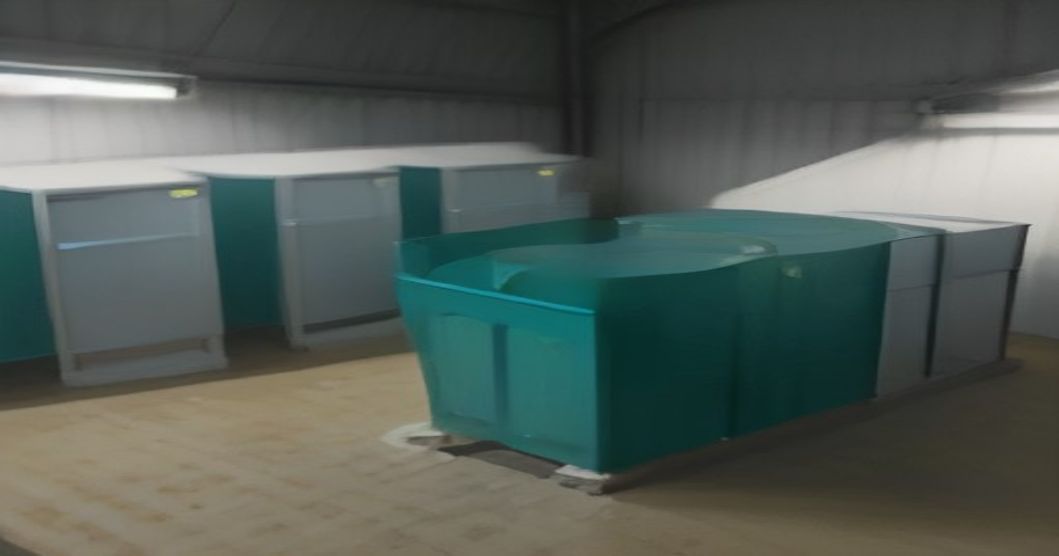
EcoNomad's core offering is a range of modular anaerobic digestion (AD) units. Unlike large-scale, centralized AD plants that are often prohibitively expensive and complex for smaller operations, EcoNomad's systems are designed for ease of installation, operation, and scalability. This means that farms of varying sizes, from smallholdings to medium-sized enterprises, can adopt the technology without requiring massive infrastructure overhauls or specialized engineering teams. The modular design allows systems to be tailored to the specific waste output and energy needs of individual farms, ensuring a precise and efficient solution.
The process begins with the collection of organic waste, primarily animal manure, slurry, and crop residues. This material is fed into the AD unit, where anaerobic bacteria break it down in the absence of oxygen. This biological process yields biogas, a mixture of methane and carbon dioxide, which can then be captured and utilized. EcoNomad's systems are engineered to purify this biogas, making it suitable for direct use in on-site generators to produce electricity and heat. This on-demand energy generation can significantly reduce a farm's reliance on grid electricity and fossil fuels, leading to substantial cost savings. The heat generated can be used for farm operations, such as heating greenhouses, water, or buildings.
Beyond Energy: Nutrient Recovery and Circularity
The benefits of EcoNomad's technology extend beyond energy production. The byproduct of anaerobic digestion is digestate, a nutrient-rich liquid or semi-solid material. This digestate is an excellent organic fertiliser, containing essential plant nutrients like nitrogen, phosphorus, and potassium. By returning this digestate to the land, farmers can reduce their dependence on costly and environmentally damaging synthetic fertilisers. The use of digestate can improve soil health, enhance water retention, and promote more sustainable agricultural practices. This creates a closed-loop system, where farm waste is transformed into valuable resources, embodying the principles of a circular economy.
This circular approach is particularly important given the increasing scrutiny of synthetic fertiliser production. The Haber-Bosch process, used to create ammonia for nitrogen fertilisers, is highly energy-intensive and accounts for a significant portion of global industrial energy consumption and CO2 emissions. By providing a viable alternative derived from on-farm waste, EcoNomad's technology not only cuts emissions but also contributes to a more resilient and sustainable food system. The reduction in transportation costs for both energy and fertiliser also adds to the economic advantage for farmers.
Addressing the Small Farm Challenge
The focus on small livestock farms is a strategic differentiator for EcoNomad. Larger industrial farms often have the capital and scale to invest in traditional AD systems. However, smaller farms, which constitute a significant portion of the agricultural landscape, have historically been excluded from these benefits due to cost and complexity. EcoNomad's modular, user-friendly approach democratizes access to waste-to-energy technology. The £400,000 funding round, with its substantial backing from the British Design Fund, signals a strong belief in the company's ability to deliver practical, impactful solutions for this underserved market segment.
The British Design Fund's investment is particularly noteworthy. BDF typically backs companies that demonstrate innovation in product design, engineering, and sustainability. Their commitment to EcoNomad suggests that the startup's technological approach and its potential to solve real-world problems with well-engineered solutions have impressed investors. This funding will enable EcoNomad to further develop its product line, scale up manufacturing, and expand its reach to farms across the UK and potentially beyond. The company's founders, drawing on expertise in engineering and environmental science, are poised to make a tangible difference in the agricultural sector's transition towards greater sustainability and economic resilience.
The Road Ahead for Farm Sustainability
EcoNomad's success hinges on its ability to demonstrate clear economic and environmental returns for farmers. The upfront cost of the modular units, though designed to be more accessible, will still be a consideration. However, the long-term savings on energy bills, fertiliser purchases, and potential carbon credits, coupled with reduced environmental compliance costs, are expected to provide a compelling return on investment. As regulatory pressures around agricultural emissions intensify and the demand for sustainable food production grows, technologies like EcoNomad's are set to become increasingly vital.
The company's vision extends beyond mere waste management; it is about transforming farm waste from a liability into a valuable asset. By empowering small farms with the tools to generate their own clean energy and nutrient resources, EcoNomad is contributing to a more decentralized, resilient, and environmentally responsible agricultural economy. The recent funding infusion provides the necessary capital to move from pilot projects and early deployments to broader market penetration, marking a significant step forward in the quest for truly sustainable farming practices.