
Introducing Eclatira: The Conversational Video Agent
Eclatira has launched, offering a novel solution for integrating conversational AI directly into video experiences. This new product aims to transform how users interact with digital content by enabling dynamic, AI-driven video agents that can be plugged into virtually any existing technology stack. The core proposition is to move beyond static video by introducing an interactive layer powered by artificial intelligence.
The significance of Eclatira lies in its approach to bridging the gap between passive video consumption and active, conversational engagement. Traditional video content, while rich in information and engagement, typically offers a one-way communication channel. Eclatira introduces a paradigm shift where viewers can directly interact with the content through natural language, receiving real-time, AI-generated video responses. This creates a more personalized and efficient user experience, akin to having a dedicated assistant embedded within the video itself.
Technical Integration and Flexibility
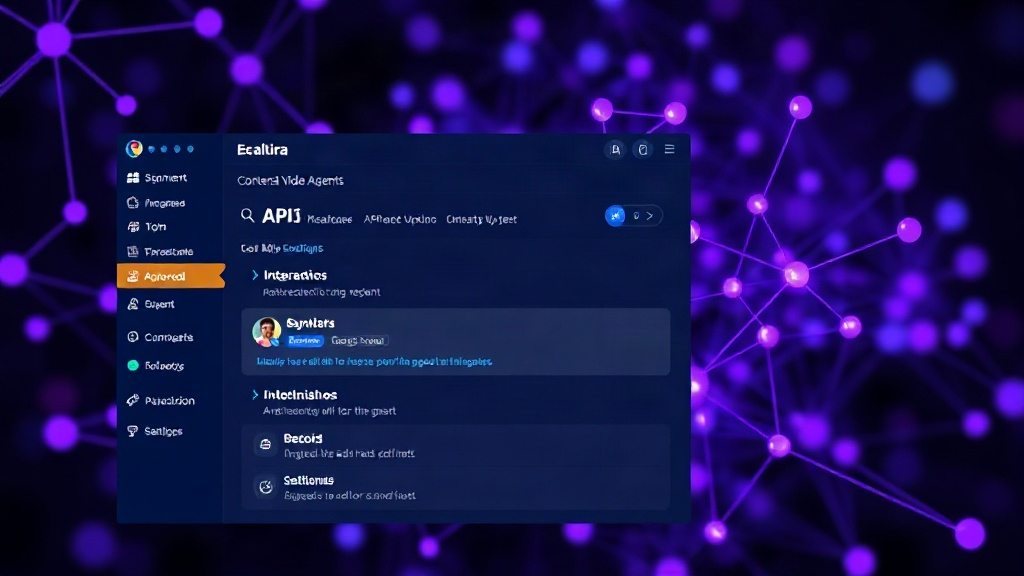
A key selling point for Eclatira is its designed flexibility and ease of integration. The platform is built to be stack-agnostic, meaning it can be incorporated into a wide range of existing software architectures and applications without requiring extensive overhaul. This is crucial for businesses that have invested heavily in their current technology infrastructure but wish to leverage the power of conversational AI in their video content. Developers can integrate Eclatira via APIs, allowing for custom implementations tailored to specific use cases.
The underlying technology leverages advanced natural language processing (NLP) and generative AI models to understand user queries and generate appropriate video responses. These responses can range from answering questions about the video content to guiding users through a process or even providing personalized recommendations. The system is designed to learn and adapt, improving its conversational abilities and response accuracy over time. This adaptability ensures that Eclatira remains a relevant and powerful tool as user interaction patterns evolve.
Use Cases and Potential Applications
The potential applications for Eclatira span across numerous industries. In customer support, it could power interactive FAQs or provide real-time troubleshooting assistance within product demonstration videos. For e-commerce, it might offer personalized product consultations or styling advice, enhancing the online shopping experience. In education and training, Eclatira could create dynamic learning modules where students can ask questions and receive video explanations tailored to their specific needs. Marketing and sales teams could use it for interactive product demos or lead qualification, making outreach more engaging and effective.
Consider a scenario where a user is watching a tutorial video on a complex software. Instead of sifting through documentation or waiting for a human agent, they could simply ask the Eclatira agent within the video: "How do I export a project in high resolution?" The agent would then process the query and generate a short, targeted video clip demonstrating precisely that action, potentially highlighting specific UI elements or commands. This level of immediate, context-aware assistance is what Eclatira aims to deliver.
The Future of Video Interaction
Eclatira represents a significant step towards a future where video content is not merely consumed but actively participated with. By infusing video with conversational intelligence, the platform opens up new avenues for user engagement, learning, and problem-solving. The ability to integrate this technology seamlessly into existing systems lowers the barrier to entry for businesses looking to innovate their digital offerings. As AI continues to evolve, tools like Eclatira are poised to become integral components of how we interact with information and technology online.
The product's debut on platforms like Product Hunt signals its readiness for market adoption and developer feedback. The focus on an open, plug-and-play architecture suggests a strategy aimed at broad accessibility and rapid integration, aiming to become a foundational layer for next-generation video experiences. What remains to be seen is how quickly developers will adopt this new paradigm and what novel applications will emerge from its flexible integration capabilities.