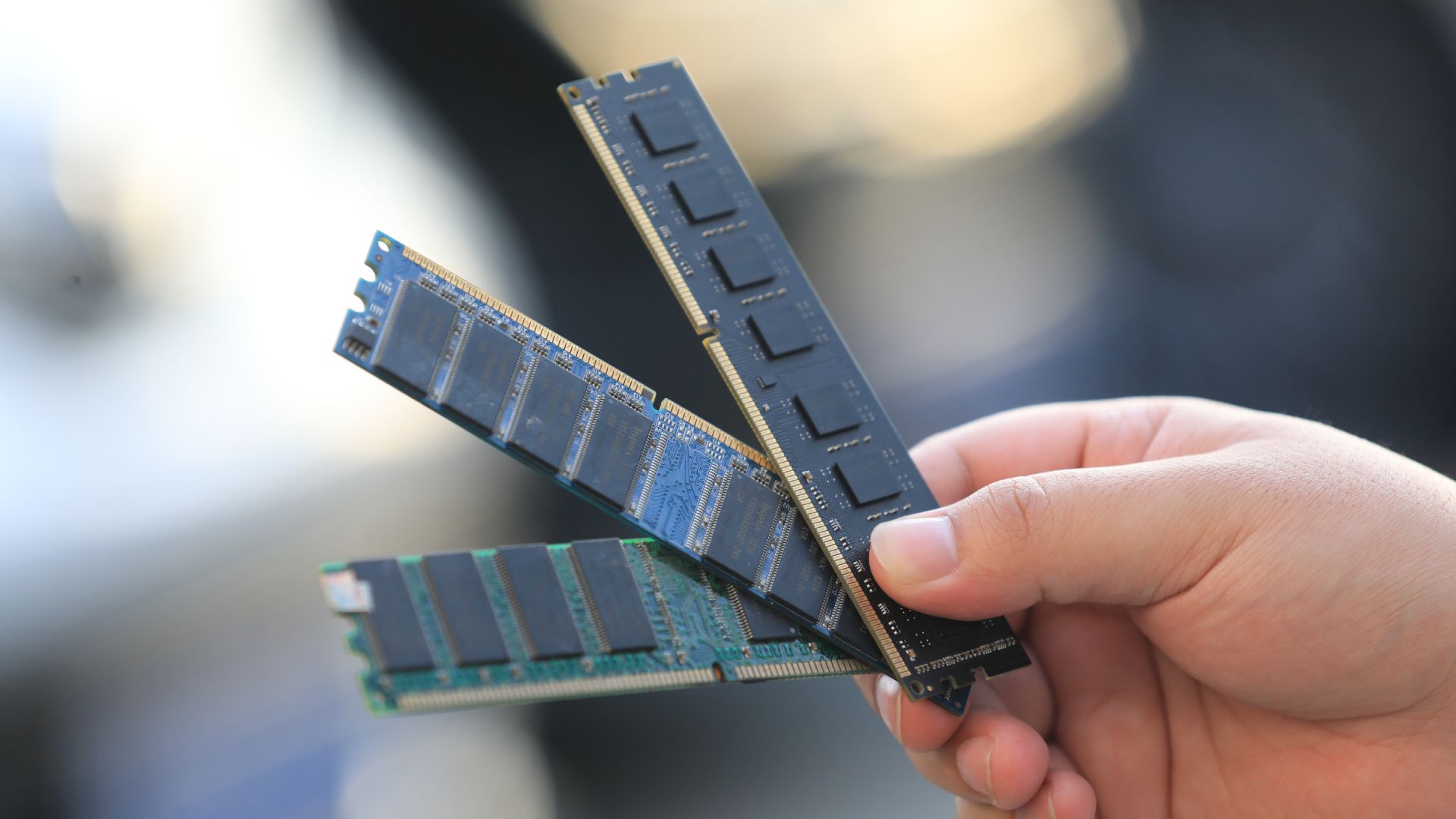
A Persistent Shadow Over DRAM Pricing
For two decades, the specter of price-fixing has haunted the dynamic random-access memory (DRAM) market. Samsung, SK Hynix, and Micron, the dominant global suppliers, have faced repeated accusations and legal challenges alleging collusion to inflate prices. The latest salvo came in late June, with 17 plaintiffs filing a new lawsuit in the U.S. District Court for the Northern District of California. This isn't an isolated incident; it's the continuation of a legal battle that has seen numerous attempts to hold these memory giants accountable for their pricing strategies.
These lawsuits typically center on the claim that the major DRAM manufacturers engaged in a coordinated effort to reduce supply, thereby artificially boosting prices for consumers and businesses. The cyclical nature of the memory market, characterized by periods of boom and bust, often fuels these allegations. During periods of high demand and tight supply, prices can skyrocket, leading to substantial profits for manufacturers. Conversely, during downturns, oversupply can lead to sharp price drops, often prompting accusations of market manipulation.
The sheer volume of litigation over the years suggests a persistent concern among consumers, businesses, and regulatory bodies about the integrity of DRAM pricing. While previous cases have largely failed to yield significant judgments against the companies, each new filing signifies the ongoing scrutiny and the belief among plaintiffs that evidence of collusion exists. The complexity of the global memory market, with its intricate supply chains and opaque pricing mechanisms, makes proving direct price-fixing incredibly challenging, often leading to dismissals or unfavorable settlements for plaintiffs.
The HBM Disruption: A New Angle
The landscape of DRAM, however, is evolving rapidly, driven by the burgeoning demand for high-bandwidth memory (HBM). HBM is a specialized type of DRAM designed for high-performance computing, particularly crucial for artificial intelligence (AI) accelerators like GPUs. As AI workloads explode, the demand for HBM has surged, making it a critical bottleneck and a highly lucrative segment of the memory market. This shift is significant because it introduces a new dynamic into the established DRAM oligopoly.
Samsung, SK Hynix, and Micron are all heavily investing in and competing for dominance in the HBM market. SK Hynix, in particular, has established a strong early lead in HBM supply, especially for NVIDIA's AI chips. This intense competition for a high-value product could, paradoxically, disrupt the very market conditions that have historically been cited in price-fixing allegations for traditional DRAM. When companies are fiercely vying for market share in a rapidly growing, high-margin segment, their focus can shift from coordinated supply reductions to aggressive production and innovation.
The concentration of manufacturing capacity and R&D efforts on HBM might lead to a less coordinated approach to traditional DRAM supply. If a significant portion of a manufacturer's resources and strategic planning is dedicated to meeting the insatiable demand for HBM, their ability and incentive to collude on older, commoditized DRAM might diminish. The economics of HBM are different; it's a more specialized, higher-margin product where technological leadership and production yield are paramount, rather than simply managing aggregate supply.
Why Previous Cases Stumbled
The difficulty in prosecuting DRAM price-fixing cases stems from several factors. Proving direct collusion among competitors in a global, fast-paced market is a monumental task. Evidence often relies on circumstantial information, market analysis, and whistleblower testimony, which can be challenging to corroborate. The sheer complexity of global supply chains, with multiple intermediaries and regional pricing variations, makes it hard to establish a clear pattern of universally fixed prices.
Furthermore, the DRAM market is inherently cyclical. Periods of high prices are often attributed to genuine supply shortages driven by high demand, manufacturing yields, or production disruptions, rather than deliberate manipulation. Companies can argue that price increases were a natural market response to these factors. The legal burden of proof is high, requiring plaintiffs to demonstrate not just parallel pricing behavior, but a concrete agreement to fix prices. Many previous lawsuits have been dismissed due to insufficient evidence or have resulted in settlements where the companies admitted no wrongdoing.
The geographic dispersion of the manufacturers also complicates legal action. While these companies operate globally, their primary R&D and manufacturing hubs are concentrated in South Korea and the United States. Lawsuits have been filed in various jurisdictions, but consolidating evidence and navigating different legal frameworks has historically been a hurdle for plaintiffs.
The Road Ahead: HBM's Influence
The current wave of litigation, while facing the same fundamental challenges as its predecessors, arrives at a unique juncture. The intense focus on HBM, driven by the AI revolution, could fundamentally alter the dynamics that have fueled these price-fixing claims for years. If the leading manufacturers are locked in a high-stakes race for HBM supremacy, their strategic priorities may naturally diverge, making coordinated manipulation of the broader DRAM market less likely or feasible.
This doesn't absolve the companies of past alleged actions, and the current lawsuit will proceed based on the evidence presented. However, the future trajectory of the DRAM market, increasingly defined by specialized, high-performance memory like HBM, might see a reduced incentive for the kind of broad-based supply control that characterized earlier accusations. The question for the courts and for the industry is whether the competitive pressures in the HBM sector will sufficiently disrupt the historical patterns of alleged collusion in the commoditized DRAM market, offering a potential turning point after two decades of legal battles.
What remains unaddressed by this new litigation is how the success or failure of these HBM supply chains will impact the broader memory market. If one company gains an insurmountable lead in HBM production, will that create new opportunities for collusion elsewhere, or will it simply reinforce the competitive advantage gained through innovation?