A New Kind of Computing: Heat as Fuel
In a remarkable feat of engineering and ingenuity, a DIY enthusiast has constructed a fully functional computing device powered not by a conventional battery or wall socket, but by the temperature difference driving a Stirling engine. This unique machine, built around an ESP32-C3 microcontroller, demonstrates that even complex tasks like running classic video games can be achieved with astonishingly low power consumption, operating on a mere 150 milliwatts. The project blurs the lines between hobbyist electronics and fundamental thermodynamics, offering a glimpse into alternative power sources for computation.
The core of this innovative setup is a miniature Stirling engine. For those unfamiliar, a Stirling engine is a closed-cycle regenerative heat engine that operates by cyclically compressing and expanding a working fluid (typically air or helium) at different temperatures. This process converts heat energy into mechanical work. In this modder's creation, the engine is powered by the temperature differential between a hot plate and a cold plate. The mechanical output of the Stirling engine is then ingeniously harnessed to generate the electrical power needed to run the embedded computing system.
The Hardware Stack: Efficiency Meets Nostalgia
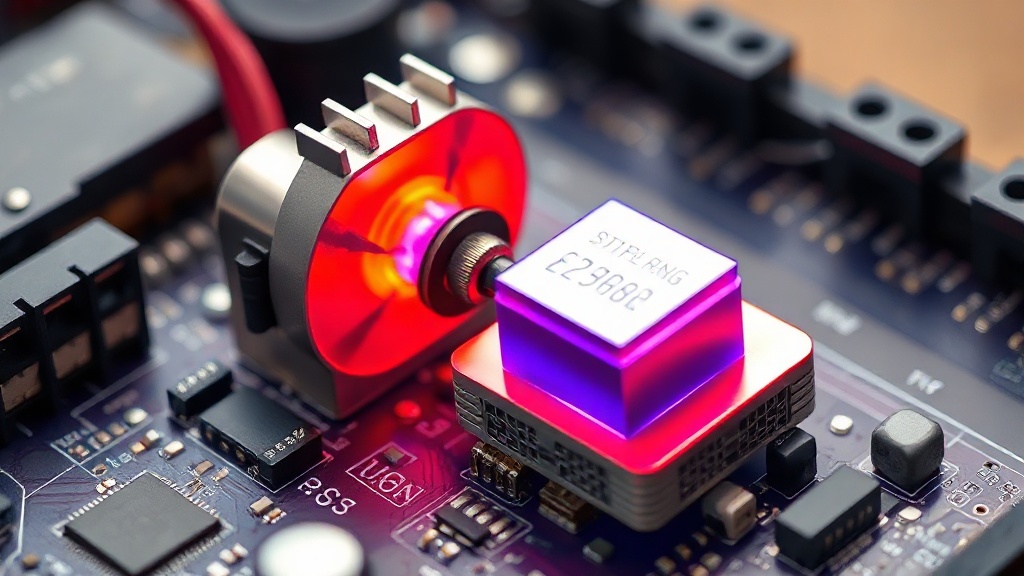
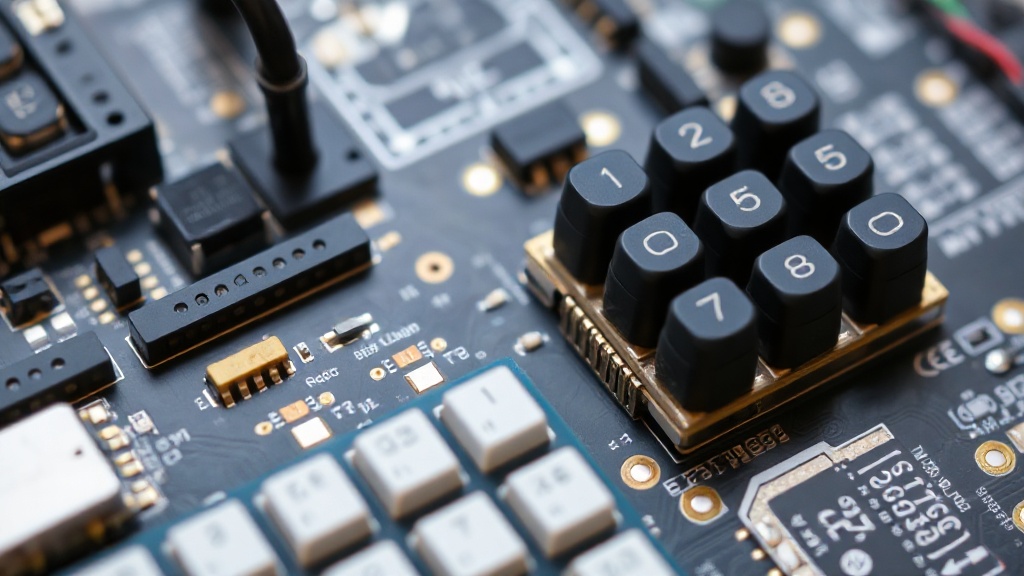
At the heart of the computing device is an Espressif ESP32-C3 microcontroller. This particular chip is chosen for its low-power capabilities, making it an ideal candidate for an energy-constrained system. The ESP32-C3 boasts an 80 MHz processor, which, while modest by modern desktop standards, is more than sufficient for the retro gaming applications it runs. The device features a small OLED display to render the game graphics and a 16-key keypad for user input. The entire system is meticulously designed to minimize power draw at every stage, from the processor's clock speed and sleep modes to the display's brightness and refresh rate.
The challenge of powering a microcontroller, a display, and input peripherals on just 150 milliwatts is substantial. This figure represents a tiny fraction of the power consumed by even the most energy-efficient smartphones, let alone traditional computers. To achieve this, the modder likely employed aggressive power management techniques. This would include ensuring the ESP32-C3 spends most of its time in deep sleep, waking only briefly to process game logic, update the display, and respond to button presses. The OLED display, known for its low power consumption compared to other display technologies, is also a critical component in keeping the overall energy budget so low.
The choice of games is also telling. Tetris, Snake, and Pong are all classic titles that require relatively simple graphics and minimal processing power. Tetris, for instance, involves manipulating falling blocks and checking for line clears, while Snake and Pong are based on straightforward object movement and collision detection. These games are not only iconic but also perfectly suited to the capabilities of the ESP32-C3 operating under such stringent power limitations. The modder has effectively selected software that aligns with the hardware's energy efficiency, creating a harmonious, albeit unconventional, computing platform.
The Stirling Engine: A Thermodynamical Powerhouse
The Stirling engine's role in this project is nothing short of transformative. Unlike batteries that store chemical energy and deplete over time, or solar panels that rely on external light conditions, a Stirling engine can theoretically run as long as a temperature difference is maintained. This opens up possibilities for long-term, autonomous operation in environments where traditional power sources are impractical or unavailable. The modder likely used a pre-built Stirling engine kit or a custom-designed one, focusing on maximizing its efficiency in converting heat flow into usable mechanical energy.
The efficiency of a Stirling engine is governed by Carnot's theorem, which sets the theoretical upper limit for its efficiency based on the temperatures of the hot and cold reservoirs. While real-world engines are far from this ideal, careful design and construction can yield significant power output relative to the heat input. In this application, the heat source could be anything from a small candle flame or a heated element to ambient heat in a warm environment, with the cold side being cooled by ambient air or a small heatsink. The mechanical power generated by the engine's moving piston is then converted into electrical energy, likely through a small generator or a dynamo integrated into the engine’s mechanism.
Implications and the Future of Low-Power Computing
This project serves as a powerful demonstration of what can be achieved with a deep understanding of both hardware and thermodynamics. It challenges conventional thinking about how computing devices are powered. While not a replacement for high-performance computing, this heat-powered device highlights the potential for extremely low-power embedded systems. Imagine sensors deployed in remote locations, self-powered IoT devices, or even personal electronics that can draw power from body heat or ambient temperature fluctuations. The implications for sustainability and off-grid computing are significant.
The success of this modder also underscores a broader trend in the tech industry: the relentless pursuit of energy efficiency. As the demand for computing power grows, so does its energy footprint. Innovations like this, even at a small scale, push the boundaries of what's possible in energy harvesting and ultra-low-power design. It’s a testament to human ingenuity that a classic game like Tetris can be brought to life using little more energy than that required to warm a cup of tea.
What remains to be seen is the scalability of this approach. Can larger, more powerful Stirling engines be integrated with more capable microcontrollers or even single-board computers to create more complex devices that are still powered by ambient heat? The engineering challenges in scaling up such a system, particularly in maintaining a sufficient temperature differential and efficiently converting mechanical to electrical energy, would be considerable. However, for niche applications requiring extreme power autonomy, this project offers a compelling proof of concept.