
The AI Fragmentation Problem
The artificial intelligence landscape is exploding. From large language models like GPT-4 and Claude 3 to specialized image generators such as Midjourney and Stable Diffusion, and even niche tools for code completion or data analysis, the sheer volume of available AI models is staggering. For businesses and individual users alike, this proliferation presents a significant challenge. Navigating different interfaces, managing multiple subscriptions, and understanding the unique capabilities of each tool consumes valuable time and resources. This fragmentation often acts as a barrier to entry, preventing wider adoption of AI's transformative potential.
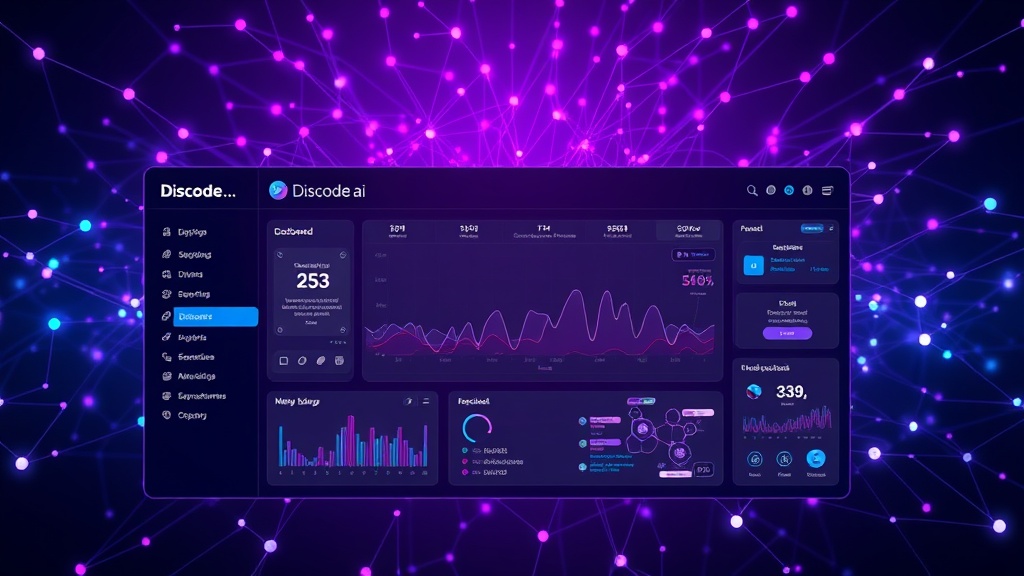
Discode.ai emerges as a direct response to this complexity. The platform aims to consolidate access to over 100 AI models, presenting them through a unified and user-friendly interface. This approach seeks to democratize AI by making it as accessible as switching between tabs in a web browser, rather than requiring users to manage a complex ecosystem of disparate services.
A Unified Gateway to AI Power
At its core, Discode.ai functions as a meta-platform, aggregating various AI models from different providers. Instead of subscribing to dozens of services individually, users can theoretically access a broad spectrum of AI functionalities through a single Discode.ai account. This includes models for text generation, image creation, coding assistance, data analysis, and potentially many other domains, depending on the specific integrations the platform has established. The promise is simple: reduce friction, lower costs associated with multiple subscriptions, and streamline workflows.
The platform's emphasis on being "eco-friendly" is an intriguing differentiator. While the specifics of their environmental claims require deeper investigation, it suggests an awareness of the significant computational resources and energy consumption associated with large-scale AI model training and inference. If Discode.ai can optimize resource allocation or partner with providers committed to sustainable practices, this could become a significant ethical and operational advantage in an industry increasingly scrutinized for its environmental footprint. This isn't just about convenience; it's about potentially more responsible AI consumption.
Breaking Down Subscription Walls
One of the most compelling aspects of Discode.ai is its potential to dismantle the costly and cumbersome subscription models that currently define the AI tool market. Imagine a marketing team needing to generate ad copy, create visuals for social media, and analyze campaign performance. Under the current paradigm, this would likely involve subscriptions to a text generation AI, an image AI, and a data analytics tool, each with its own pricing structure and usage limits. Discode.ai proposes to consolidate these needs, offering a more predictable and potentially more economical solution.
The platform's success hinges on several factors: the breadth and quality of the AI models it integrates, the robustness and intuitiveness of its unified interface, and the transparency of its pricing and environmental claims. Early user feedback and the specific list of integrated models will be crucial in determining its long-term viability. The aggregation model is not new in software, but applying it effectively to the rapidly evolving and diverse AI space is a significant undertaking.

Implications for Users and the Market
For users, Discode.ai represents a significant potential simplification of their AI toolkit. Developers could find it easier to experiment with different models for specific tasks without the overhead of account creation and separate billing for each. Content creators could access a wider array of generative tools more efficiently. Businesses could potentially reduce their AI expenditure and operational complexity, allowing them to focus more on strategic implementation rather than tool management.
The competitive landscape for AI aggregation platforms is nascent but growing. Similar concepts aim to provide unified access to AI capabilities, often focusing on specific verticals like coding or creative work. Discode.ai's broad approach, encompassing over 100 models across various domains, positions it as a general-purpose AI gateway. Its success could influence how other AI providers structure their offerings and how users perceive and access AI services in the future. The question remains: can one interface truly serve the diverse needs of over 100 different AI models effectively, and will its eco-friendly promise translate into tangible benefits?
The aggregation of AI models is more than just a convenience play; it's a potential paradigm shift in how AI is consumed. By abstracting away the underlying complexity, platforms like Discode.ai could accelerate AI adoption, similar to how cloud computing abstracted away server management. This move towards unified access could democratize advanced AI capabilities, making them more accessible to a broader audience and fostering innovation across industries. The challenge lies in maintaining performance, feature parity, and cost-effectiveness across such a vast array of integrated services.