
From Code to Clarity: Introducing DevSwat
Understanding the intricate architecture of a large codebase is a persistent challenge for development teams. Navigating dependencies, identifying potential bottlenecks, and ensuring governance across sprawling projects often devolves into manual diagramming or abstract documentation that quickly becomes outdated. DevSwat emerges as a new solution, aiming to transform this landscape by turning raw code into interactive, visual representations and actionable governance frameworks.
The core promise of DevSwat is to provide developers, architects, and engineering leaders with an unprecedented level of insight into their software projects. Instead of static, hard-to-maintain diagrams, DevSwat generates dynamic maps that reflect the actual structure and relationships within a codebase. This allows teams to not only see how their code is organized but also to understand how different modules interact, where complexity lies, and where potential architectural drift may be occurring.
Interactive Codebase Mapping
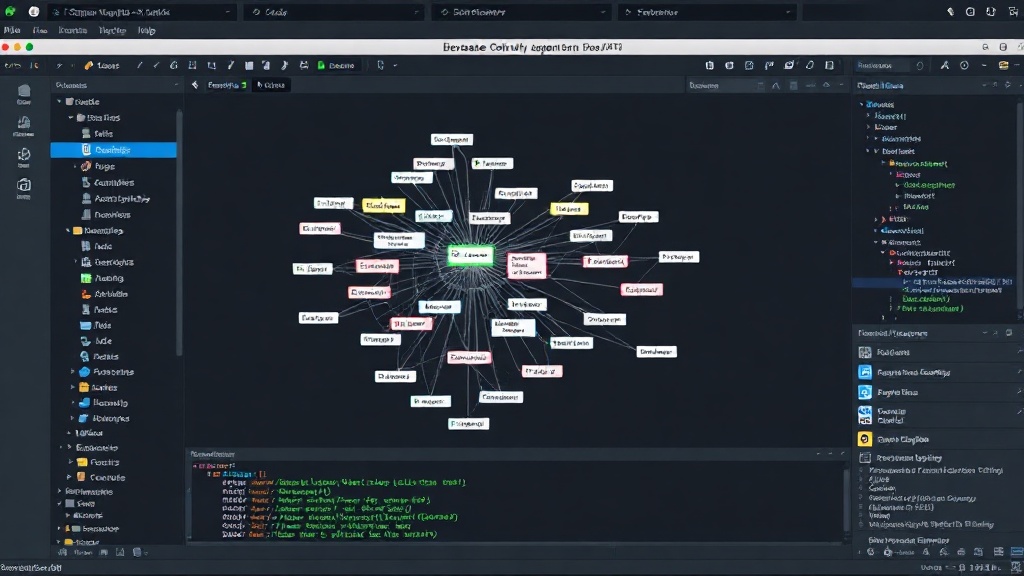
At its heart, DevSwat functions as an advanced code visualization tool. It ingests code from various repositories and analyzes it to construct a living map of the software’s architecture. This map is not merely a passive representation; it is interactive, allowing users to drill down into specific modules, trace dependencies, and explore relationships between different parts of the system. Think of it less like a printed blueprint and more like a dynamic, explorable 3D model of your entire software project, where you can zoom into individual components and see their connections in real-time.
The platform supports multiple programming languages, a critical feature for modern development environments that often involve polyglot architectures. By providing a unified view across different languages, DevSwat helps bridge the gaps in understanding that can arise when teams work with diverse technology stacks. This comprehensive visualization capability is designed to accelerate onboarding for new developers, aid in architectural reviews, and facilitate more informed decision-making regarding refactoring or feature development.
Governance and Compliance Features
Beyond visualization, DevSwat introduces features aimed at establishing and enforcing governance within development workflows. The platform enables teams to define architectural rules, coding standards, and security policies. It then continuously monitors the codebase against these predefined governance models, flagging any deviations or violations. This proactive approach to governance is crucial for maintaining code quality, ensuring security compliance, and preventing architectural decay over time.
For engineering managers and CTOs, DevSwat offers tools to track architectural health and enforce best practices across their organization. The system can identify areas of high technical debt, pinpoint modules that are overly complex or tightly coupled, and highlight potential security risks arising from specific dependency patterns. This data-driven approach to governance moves beyond subjective assessments, providing objective metrics and actionable insights that can guide strategic technical decisions. The ability to visualize compliance status alongside architectural structure provides a powerful dual-purpose tool for technical leadership.
Potential Use Cases and Target Audience
DevSwat targets a broad spectrum of users within the software development lifecycle. For individual developers, it offers a deeper understanding of the systems they are working on, helping them to write more context-aware and robust code. For software architects, it provides an essential tool for designing, documenting, and evolving complex systems, ensuring that the intended architecture is actually what gets implemented. Engineering leads and managers can leverage DevSwat for team oversight, project planning, and resource allocation, focusing efforts on areas that require the most attention.
Larger organizations facing challenges with code maintainability, scalability, and compliance will find particular value in DevSwat's governance capabilities. The platform can help standardize development practices, reduce the risk of introducing vulnerabilities, and ensure that software projects adhere to internal and external regulatory requirements. The interactive nature of the visualizations also makes it an excellent tool for cross-functional communication, allowing technical teams to explain complex system designs to non-technical stakeholders more effectively.
The Future of Code Understanding
DevSwat represents a significant step forward in how we interact with and manage our software projects. By bridging the gap between abstract code and tangible, interactive visualizations, the platform promises to enhance developer productivity, improve code quality, and streamline governance processes. As software systems continue to grow in complexity, tools like DevSwat will become indispensable for maintaining clarity, control, and efficiency in the development lifecycle. The platform's ability to integrate visualization with governance suggests a future where understanding code and managing it are seamlessly intertwined.