
The Genesis of Antigravity Tools
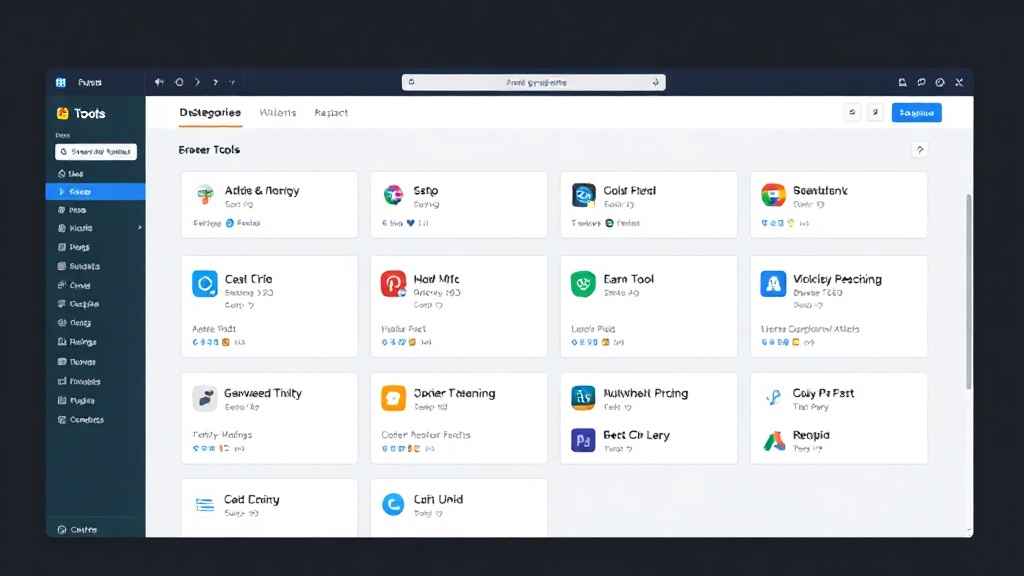
Developer Yuvaraj Radhakrishnan has launched Antigravity Tools, a collection of 59 free, browser-based developer utilities. The project's core philosophy revolves around a strict constraint: zero dependencies, zero server-side processing, and zero telemetry. This means every tool operates entirely within the user's browser, leveraging native browser APIs for all computations. This approach sidesteps common privacy concerns associated with online tools, such as JWT tokens being sent to external servers or test strings being logged by regex testers.
The technical foundation of Antigravity Tools eschews modern JavaScript tooling like Node.js, npm packages, and bundlers such as webpack, Vite, or Parcel. Instead, it relies on fundamental browser capabilities including the Web Crypto API for cryptographic operations, the Canvas API for visual rendering, the Web Audio API for sound processing, and IndexedDB for local data storage. This commitment to vanilla JavaScript and native APIs ensures that the tools are lightweight, fast, and inherently private, as no data leaves the user's machine.
Why Vanilla JS? A Commitment to Privacy and Performance
The decision to build with vanilla JavaScript was deliberate. Radhakrishnan aimed to create tools that were accessible, performant, and trustworthy. By avoiding build steps and external libraries, the project achieves near-instant loading times. Users don't need to wait for large JavaScript bundles to download or for complex build processes to complete. This direct execution model means the code runs as written, offering a predictable and efficient user experience.
The absence of a backend server also means there's no infrastructure to maintain, no server costs, and critically, no possibility of server-side data breaches or misuse. For developers who often handle sensitive information like API keys, JWT tokens, or proprietary code snippets, this privacy-first approach is a significant advantage. Tools like online JSON validators or base64 encoders, when run locally, eliminate the risk of exposing this data to third parties.
Key Learnings from Building 59 Tools
The process of building such a diverse set of utilities yielded several key insights for Radhakrishnan:
1. The Power of Native Browser APIs
Radhakrishnan discovered the extensive capabilities of modern browser APIs. The Web Crypto API, for instance, provides robust cryptographic primitives directly in the browser, enabling secure hashing, encryption, and decryption without external libraries. Similarly, the Canvas API is not just for drawing graphics; it can be used for image manipulation, generating QR codes, or even creating visual representations of data. The Web Audio API, often associated with music production, can be repurposed for tasks requiring precise audio analysis or generation. IndexedDB offers a powerful client-side database, suitable for storing user preferences, application state, or even larger datasets that need to persist between sessions.
2. Iterative Development and Tool Selection
The collection grew organically. Radhakrishnan started with tools he personally needed or found lacking in the existing landscape. Common developer tasks, such as string manipulation, data format conversion (JSON, YAML, XML), date/time calculations, and basic cryptographic operations, formed the initial set. As the collection expanded, the focus remained on utility and simplicity. The goal wasn't to build feature-rich, complex applications, but rather focused, single-purpose tools that excel at their designated task.
3. User Experience in a Vanilla JS Environment
Designing a user-friendly experience without a framework presented unique challenges. Radhakrishnan focused on clean, intuitive interfaces and clear instructions for each tool. Because there's no build step, updates are immediate. When a bug is fixed or a small improvement is made, users see it on their next visit without any action required on their part. This direct feedback loop is a benefit of the minimal architecture.
4. The Value of Open Source and Community Feedback
While the tools are built without external dependencies, their development is shared openly. Radhakrishnan plans to make the project open source, allowing other developers to contribute, suggest new tools, or report issues. This community aspect is crucial for the long-term growth and relevance of the project. Feedback from other developers can highlight overlooked needs or potential improvements that might not be apparent to a single developer.
What's Next for Antigravity Tools?
The immediate future involves making the entire collection open source. Radhakrishnan aims to foster a community around Antigravity Tools, encouraging contributions and further development. The current set of 59 tools covers a wide range of common developer tasks, from simple text transformations to more complex data handling and cryptographic operations. The project serves as a testament to the power and flexibility of modern browser APIs and the enduring value of vanilla JavaScript for building efficient, private, and accessible tools.
The success of Antigravity Tools demonstrates a clear demand for developer utilities that prioritize privacy and performance. By stripping away dependencies and server-side logic, Radhakrishnan has created a valuable resource that respects user data and delivers immediate functionality. This approach offers a compelling alternative to feature-rich, but potentially data-collecting, online services.