The Growing Threat of Deepfakes

The proliferation of deepfakes presents a significant and escalating threat, moving beyond celebrity impersonations to impact everyday individuals. A recent personal account highlights the chilling ease with which fabricated videos can sow distrust and cause distress, demonstrating the urgent need for robust countermeasures. The ability to convincingly alter or generate audio and video content means that distinguishing reality from AI-generated falsehoods is becoming a critical challenge for society.
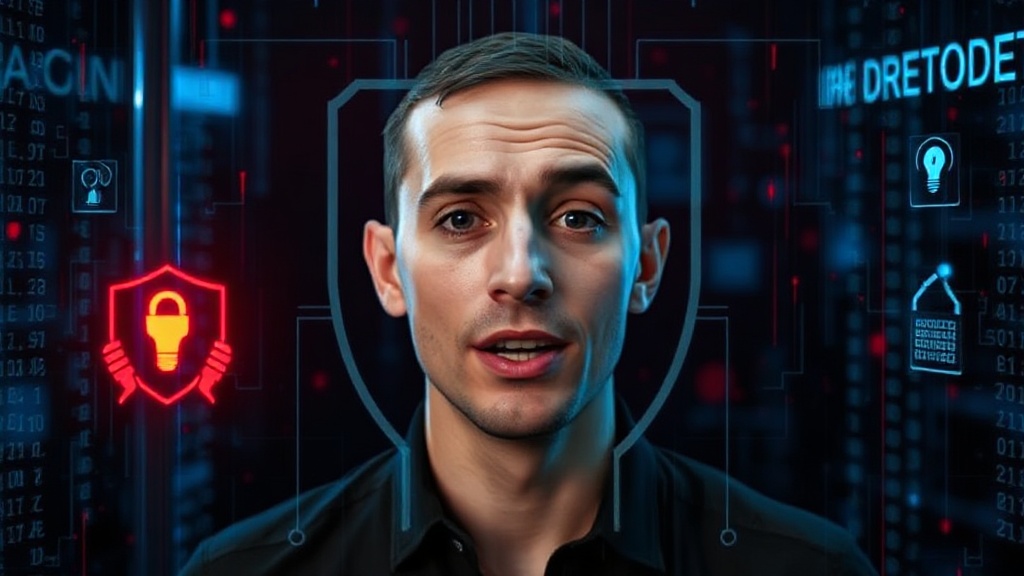
Illustration of AI generating a realistic but fake video of a person speaking
While the technology behind deepfakes, often leveraging Generative Adversarial Networks (GANs), continues to advance, so too do the methods for detecting them. The initial reaction to such threats often involves a desire for simple, definitive solutions. However, the reality of combating sophisticated AI-generated media is far more nuanced, requiring a multi-faceted approach.

AI-Powered Detection Tools

Several platforms and tools are emerging to combat the deepfake problem, primarily focusing on identifying AI-generated or altered content. These tools analyze various digital artifacts and inconsistencies that are often present in manipulated media. Among the notable examples are:
  • DeepFace: While the name might suggest a singular focus, tools like DeepFace, often referring to facial recognition technologies, play a role in verifying identity by analyzing facial features and comparing them against known authentic data. Its effectiveness in deepfake detection often stems from its ability to spot subtle anomalies in facial expressions, skin texture, or eye movements that AI generators struggle to replicate perfectly.
  • Reality Defender: This platform offers a suite of AI-powered solutions designed to detect various forms of synthetic media, including deepfakes. It aims to provide a comprehensive analysis of digital content, flagging suspicious elements and providing a confidence score on the authenticity of the media.
  • Pindrop Pulse: While Pindrop is broadly known for its voice authentication technology, its expertise in analyzing audio and voice patterns can be extended to detect AI-synthesized speech, a common component of deepfakes. The ability to identify subtle vocal artifacts, unnatural cadence, or specific frequency anomalies helps in uncovering voice deepfakes.
These tools operate by analyzing a combination of visual and auditory cues. They look for artifacts such as inconsistent lighting, unnatural blinking patterns, pixel-level distortions, or audio frequencies that deviate from human speech norms. The sophistication of these detection systems often mirrors the advancement of the generation techniques, creating an ongoing technological arms race.

The Role of Face Recognition

Face recognition technology, while sometimes conflated with deepfake generation, can also be a powerful tool in detection. By employing advanced algorithms, these systems can analyze facial geometry, micro-expressions, and temporal consistency across video frames. A deepfake might exhibit slight discrepancies in these areas, such as unnatural eye movements, inconsistent facial symmetry, or a lack of subtle, involuntary facial twitches that are characteristic of genuine human expressions. Consider face recognition not as a simple photo ID system, but as a highly sensitive forensic tool. It's like a detective who notices that a suspect’s smile doesn't quite reach their eyes, or that their head movements don't sync perfectly with their speech. These subtle tells, invisible to the casual observer, can be magnified by AI analysis to flag manipulated content. The challenge, however, lies in the sheer speed and volume of content being generated, making real-time, large-scale verification a significant hurdle.
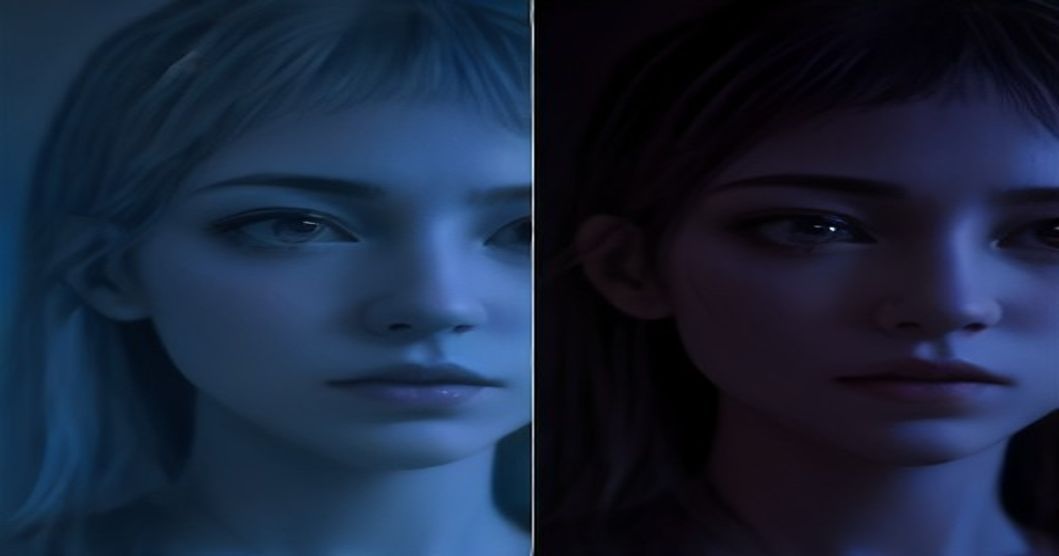
Comparison of authentic facial features versus subtle anomalies in a deepfake
Furthermore, the effectiveness of face recognition in deepfake detection depends heavily on the quality and availability of authentic reference data. If a deepfake is generated from a limited set of source images or videos, the detection system might have fewer authentic characteristics to compare against. This underscores the importance of comprehensive digital identity verification and the responsible management of personal media.

Limitations and Future Directions

Despite the advancements in AI detection tools and face recognition, no single solution is entirely foolproof. Deepfake generation techniques are constantly evolving, aiming to overcome the very anomalies that detection systems exploit. This creates a continuous cycle of innovation and adaptation. One of the most significant challenges is the potential for false positives and false negatives. An overly aggressive detection system might flag authentic content as fake, leading to censorship or distrust in legitimate media. Conversely, a system that is too lenient could allow deepfakes to bypass scrutiny, perpetuating misinformation and harm. The question of what truly works best remains open. While tools like DeepFace, Reality Defender, and Pindrop Pulse offer valuable capabilities, their optimal application likely involves integration into a broader strategy. This strategy could include digital watermarking, blockchain-based content authentication, and enhanced media literacy education for the public. The goal is not just to detect deepfakes, but to build a more resilient information ecosystem where synthetic media is clearly identified and its impact is mitigated. The development of standardized benchmarks and open datasets for evaluating deepfake detection technologies is also crucial. This would allow researchers and developers to rigorously test and compare different approaches, accelerating progress in the field. Ultimately, a combination of technological innovation, regulatory frameworks, and public awareness will be necessary to effectively address the deepfake problem.