Efficiency: The Immediate Frontier for AI Data Centers
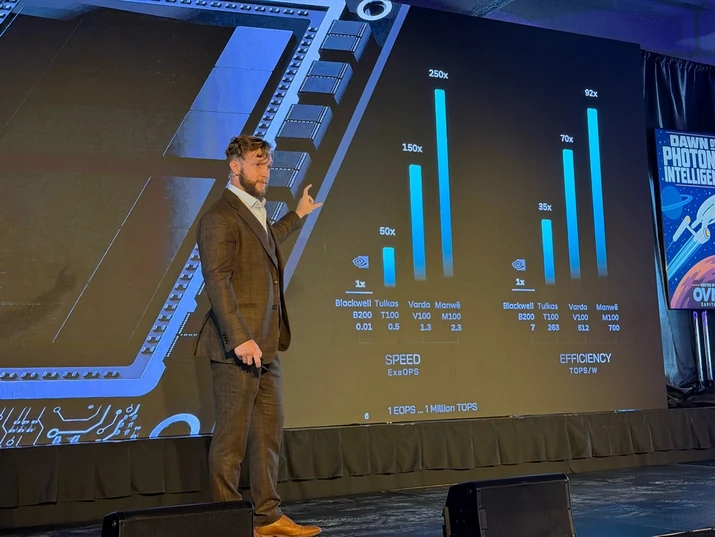
The explosive growth of artificial intelligence workloads is putting unprecedented strain on the infrastructure that powers it, particularly data centers. While the demand for AI-specific hardware like GPUs continues to skyrocket, the semiconductor supply chain is struggling to keep pace. This mismatch creates a critical bottleneck, threatening to slow the very expansion of AI capabilities that drives the demand. For the next two to five years, the primary strategy for continued data center AI growth will not be about sheer hardware acquisition, but about maximizing the efficiency of existing and incrementally acquired resources.
This focus on efficiency manifests in several key areas. Firstly, it involves optimizing the performance of AI models themselves. Researchers and engineers are actively developing techniques like model quantization, pruning, and knowledge distillation to reduce the computational and memory footprint of AI models without significantly sacrificing accuracy. This means that a single GPU, or a cluster of GPUs, can process more data, train larger models, or run more inferences than before. It's akin to optimizing a factory's assembly line to produce more goods with the same machinery by reducing waste and streamlining processes.
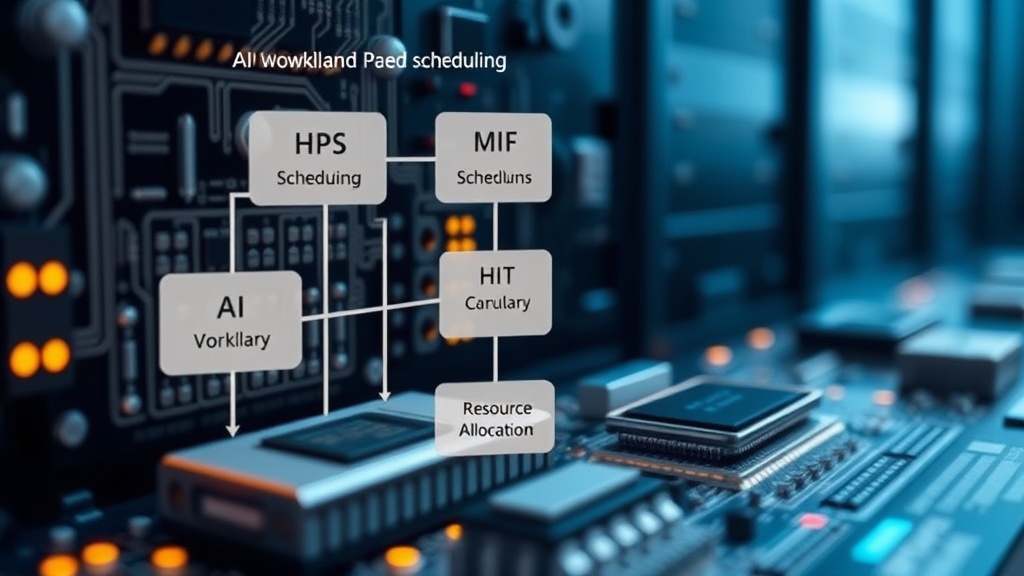
Secondly, data center operators are investing heavily in sophisticated workload management and scheduling software. These systems aim to ensure that AI workloads are not only processed efficiently but also that the underlying hardware is utilized to its fullest potential. This includes dynamic resource allocation, intelligent job queuing, and co-location of interdependent tasks to minimize data movement and maximize computational throughput. The goal is to treat the data center not as a static collection of servers, but as a fluid, adaptable resource pool that can respond intelligently to the demands of AI processing.
Beyond Software: Hardware Innovations and Strategic Sourcing
While software optimization is paramount, hardware innovations and strategic sourcing also play a crucial role. Companies are exploring more power-efficient AI accelerators, including specialized ASICs and FPGAs, which can offer better performance-per-watt than general-purpose GPUs for specific AI tasks. The development of advanced cooling technologies, such as liquid cooling, is also becoming more critical as AI hardware generates immense heat, enabling higher density deployments and sustained peak performance without thermal throttling.
Furthermore, the concept of a unified memory architecture, where CPUs and accelerators share access to memory, is gaining traction. This reduces the latency and overhead associated with data transfers between different processing units, a common bottleneck in complex AI pipelines. Innovations in interconnect technologies, such as CXL (Compute Express Link), are enabling more flexible and efficient pooling of memory and accelerators across servers, allowing for better resource utilization and scalability.
Strategic sourcing and supply chain diversification are also essential. While the immediate focus is on efficiency, companies are simultaneously working to secure future supply. This involves building stronger relationships with existing chip manufacturers, exploring alternative suppliers, and even investing in or partnering with foundries. The long-term vision is to create a more resilient and responsive supply chain, but this is a multi-year endeavor. For now, the emphasis remains on extracting maximum value from every available component.
The Long Game: When Supply Catches Up
The current emphasis on efficiency is a pragmatic response to immediate constraints. But what happens when the semiconductor supply chain eventually catches up to demand? This is a question that looms for the industry. If supply constraints ease significantly, the landscape could shift dramatically. The demand for AI hardware will likely continue its upward trajectory, potentially leading to an oversupply scenario if not managed carefully. This could trigger a price correction in AI accelerators and a renewed focus on raw compute power.
However, the investments made in efficiency during the shortage period will not be wasted. Optimized AI models, sophisticated workload management systems, and more power-efficient hardware will remain valuable. They will enable even greater AI capabilities once ample supply is available, pushing the boundaries of what is possible in areas like scientific research, drug discovery, and complex simulations. The efficiency gains achieved now will serve as a foundation for even more ambitious AI deployments in the future. It's a scenario where the temporary scarcity breeds long-term innovation and resilience.
The current period is a testament to the ingenuity of the tech industry in adapting to significant challenges. By prioritizing efficiency, data center operators are not just navigating a supply chain crisis; they are actively shaping the future of AI infrastructure to be more sustainable, scalable, and performant. This proactive approach ensures that AI's growth trajectory remains steep, even when the path forward is constrained.