The Dawn of the Bio-Hybrid Explorer
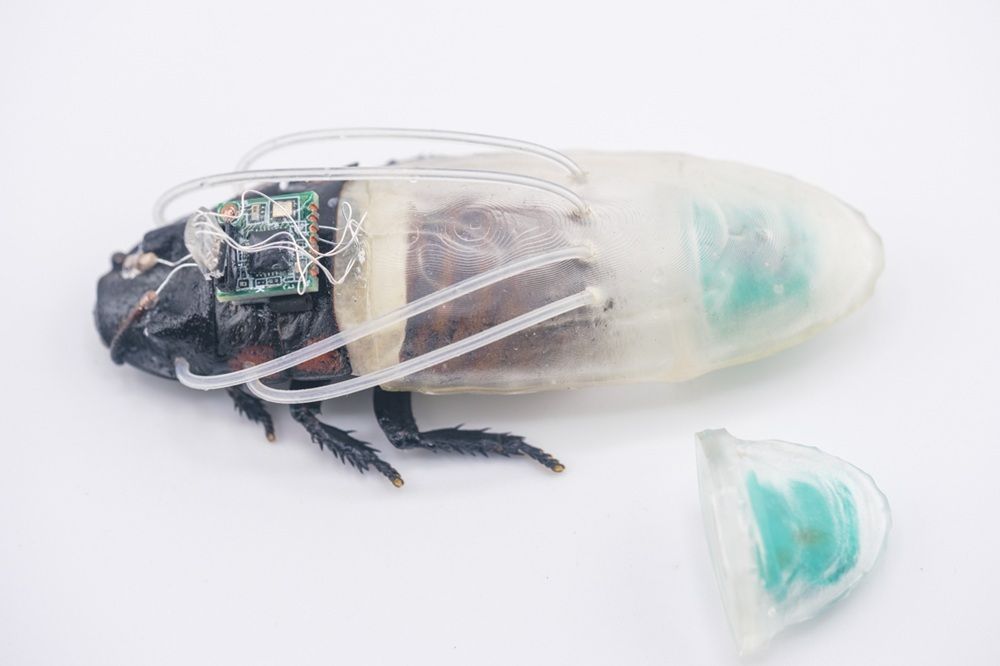
Singaporean scientists have achieved a significant feat in bio-robotics, successfully outfitting living cockroaches with a flexible, 3D-printed 'diving suit' that allows them to be remotely controlled underwater. This innovation opens new avenues for exploration in environments previously inaccessible to traditional robots, particularly in search and rescue operations and the study of extreme or hazardous terrains.
The research, led by a team at the National University of Singapore, focuses on augmenting the natural capabilities of insects with electronic control systems. The core of this project lies in the development of a highly adaptable and lightweight bio-hybrid system. Unlike rigid robotic exoskeletons, this new design prioritizes flexibility and minimal invasiveness, ensuring the insect's natural movement and survival are not compromised. The 'suit' acts as both a protective layer and a housing for the electronic components, enabling precise control over the insect's locomotion.
Engineering the Insect-Machine Interface
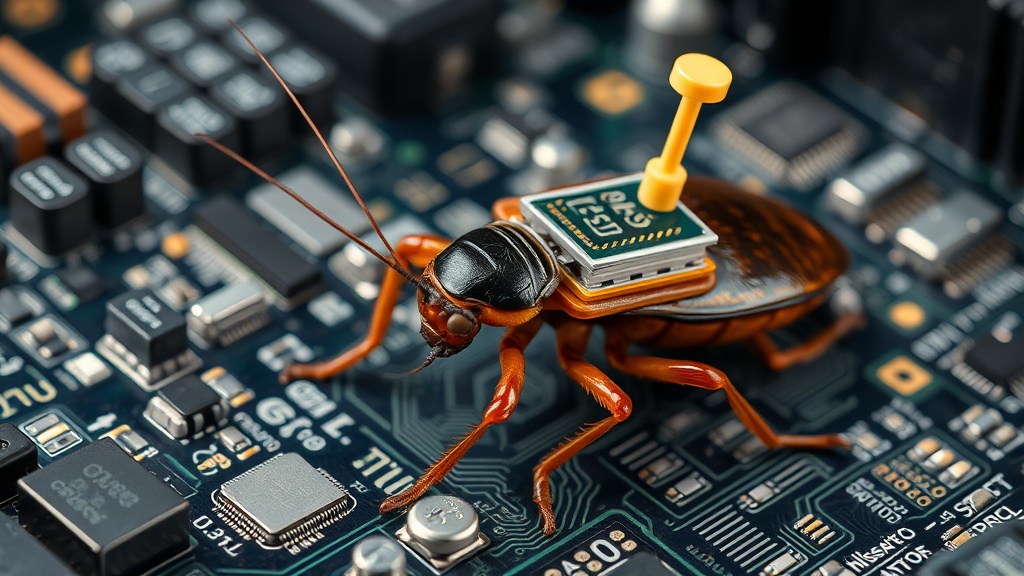
The process begins with selecting a suitable insect. Madagascar hissing cockroaches were chosen for their relatively large size and robust physiology, making them ideal candidates for carrying the necessary electronic payloads. The 'diving suit' is not a literal suit in the human sense, but rather a specialized backpack-like apparatus. This apparatus is fabricated using advanced 3D printing techniques, allowing for intricate designs tailored to the insect's anatomy. The material used is a flexible polymer, designed to conform to the cockroach's body without hindering its movement or respiration. Think of it less like a bulky diving suit and more like a custom-fitted, lightweight backpack that also doubles as a life-support system for amphibious excursions.
Attached to this flexible suit are micro-electrodes that interface with the insect's nervous system. These electrodes are strategically placed to stimulate specific nerve clusters responsible for leg movement and directional control. By sending precisely timed electrical pulses, researchers can effectively 'pilot' the cockroach, dictating its speed and turning direction. This level of control is crucial for navigating complex environments, whether it's a debris-filled disaster site or an alien landscape.
A critical component of this bio-hybrid system is the power source and communication module. The suit houses a micro-battery, providing enough energy to power the stimulation circuits for extended periods. For remote control, a wireless communication module is integrated, allowing researchers to send commands from a distance. This wireless capability is vital for real-world applications, as it eliminates the need for physical tethers that could impede the insect's movement or survivability.
Underwater Prowess and Environmental Resilience
The most striking advancement is the cockroach's newfound underwater capability. Traditional robots often struggle with the challenges of aquatic environments, facing issues with buoyancy, water ingress, and power consumption. Insects, however, have evolved remarkable resilience. The 3D-printed suit is designed to create a seal around the cockroach's body, providing a degree of waterproofing. This allows the insect to submerge and navigate underwater for extended periods, reportedly up to three hours. This is a significant leap from previous bio-hybrid designs, which were typically limited to terrestrial or aerial operations.
The flexible nature of the suit is key to this underwater survival. It allows the cockroach to maintain its natural gait and maneuverability even when submerged. The electrodes continue to function effectively in a wet environment, ensuring that remote control remains precise. The IR cameras integrated into the suit provide real-time visual feedback, enabling the researchers to see what the cyborg cockroach sees, even in low-light or murky conditions. This capability is invaluable for reconnaissance in collapsed buildings or underwater structures where visibility is limited.
The implications of this technology are vast. In disaster scenarios, these cyborg cockroaches could be deployed into unstable structures or flooded areas to locate survivors, map hazardous zones, or even deliver small payloads like sensors or communication devices. Their small size and agility allow them to access spaces that larger drones or human rescue teams cannot reach. Furthermore, the research pushes the boundaries of our understanding of insect neurobiology and bio-integration, paving the way for future advancements in soft robotics and bio-inspired engineering.
Challenges and Future Directions
Despite the remarkable progress, several challenges remain. Ensuring the long-term health and well-being of the insects is paramount. While the suit is designed to be minimally invasive, ethical considerations surrounding the use of living creatures in such applications are ongoing. Researchers are continuously working to optimize the stimulation patterns and reduce any potential stress on the insects. Further development is also needed to enhance the communication range and battery life, enabling longer and more complex missions.
The integration of more sophisticated sensors, such as chemical sniffers or thermal imagers, is also on the horizon. This would transform the cyborg cockroaches into even more capable exploration tools. The concept of bio-hybrid robots, once confined to science fiction, is rapidly becoming a reality, and these underwater cyborg cockroaches represent a tangible step towards a future where living organisms and advanced technology work in concert to explore and understand our world.