
CXMT's Blockbuster Shanghai Debut
Chinese memory maker CXMT (Changxin Memory Technologies) has made a spectacular debut on the Shanghai Stock Exchange, with its shares surging an astonishing 466% on listing day. This valuation jump underscores significant investor confidence in China's domestic semiconductor ambitions, particularly in the memory sector. The company's prospectus reveals a substantial fundraising effort, with 29.5 billion yuan (approximately $4.1 billion USD) allocated across three key projects. Crucially, the bulk of this investment is earmarked for expanding DRAM (Dynamic Random-Access Memory) production capacity, a foundational component for computing devices. Notably absent from the IPO prospectus and future investment plans, however, is any mention of High Bandwidth Memory (HBM), the specialized, high-performance memory crucial for AI accelerators and high-performance computing. This strategic focus signals CXMT's current priorities and potentially highlights a gap in its roadmap compared to global leaders in cutting-edge memory technologies.
Strategic Allocation of Capital
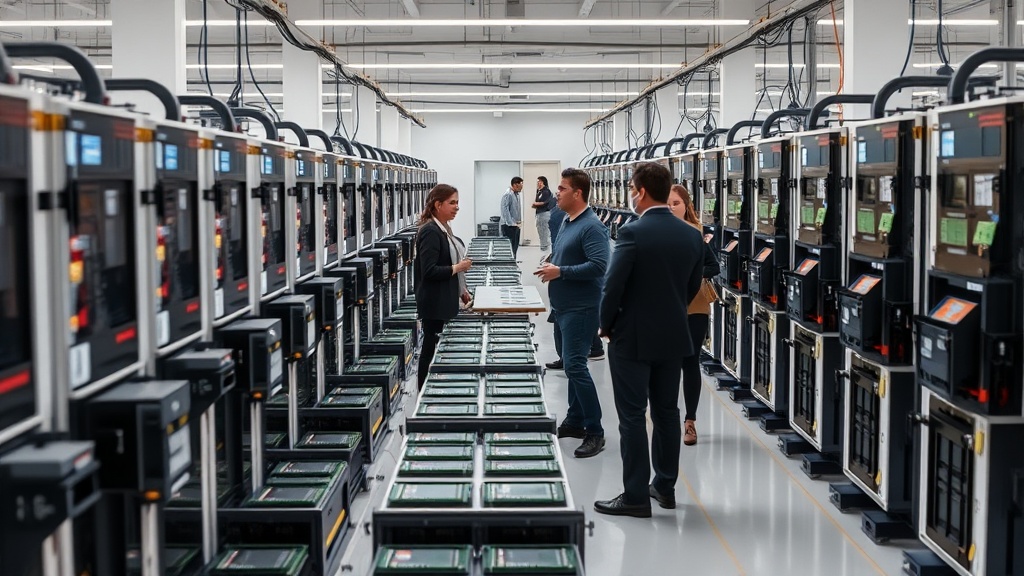
The 29.5 billion yuan raised through the IPO is meticulously allocated to drive CXMT's growth and solidify its position in the memory market. The company's prospectus details a three-pronged investment strategy. The largest portion of the funds will bolster existing DRAM manufacturing capabilities. This includes expanding fabrication lines, upgrading equipment, and increasing overall output of standard DRAM chips. These chips are the workhorses of the computing industry, powering everything from smartphones and PCs to servers and data centers. By doubling down on DRAM, CXMT aims to capture a larger share of this massive, albeit competitive, global market. The company's commitment to domestic production aligns with China's broader strategy to reduce reliance on foreign semiconductor suppliers and enhance technological self-sufficiency. This focus on established memory architectures suggests a deliberate strategy to secure a strong foothold in a mature market before venturing into more nascent, capital-intensive areas.
The HBM Question
The conspicuous absence of HBM from CXMT's IPO plans is a point of significant interest, especially given the current global demand for AI-specific memory solutions. HBM, with its stacked DRAM architecture and wide interfaces, offers unparalleled bandwidth and power efficiency, making it indispensable for training large language models and accelerating AI workloads. Companies like SK Hynix and Samsung have heavily invested in and are currently leading the HBM market. For CXMT, a deliberate decision to forgo HBM investment at this critical juncture suggests a few possibilities. It could indicate a strategic choice to focus resources on mastering and scaling DRAM production, a less technically complex but still highly profitable segment. Alternatively, it might reflect a longer-term vision for HBM development, perhaps waiting for technological maturity or a more opportune market entry. However, in the current landscape, where HBM is a key differentiator for AI hardware, this omission could represent a missed opportunity to immediately compete at the high-end of the memory market. The long-term implications of not pursuing HBM alongside DRAM expansion remain to be seen, but it certainly positions CXMT as a major player in the foundational memory segment rather than the cutting-edge AI memory space.
Market Context and Future Outlook
CXMT's IPO success and its strategic focus on DRAM come at a time of significant flux in the global semiconductor industry. Geopolitical tensions, supply chain reconfigurations, and the insatiable demand for AI-powered technologies are reshaping market dynamics. For China, bolstering its domestic memory production capabilities is a strategic imperative. CXMT's substantial fundraising and impressive market debut signal a strong endorsement of this national objective. However, the exclusion of HBM from its immediate investment plans presents a strategic dilemma. While dominating the DRAM market offers a solid foundation, the future growth and profitability of the semiconductor industry are increasingly tied to specialized memory solutions for AI and HPC. Competitors are aggressively pursuing HBM advancements, and any delay in entering this space could create a significant competitive disadvantage. The company's performance on the stock market will undoubtedly be watched closely, not just for its financial returns, but also as an indicator of China's progress in achieving semiconductor self-sufficiency across all critical memory segments.
The blistering IPO performance suggests that investors are betting heavily on CXMT's ability to execute its DRAM expansion strategy and capitalize on China's domestic market demand. The 29.5 billion yuan will be channeled into enhancing production lines and increasing output, a move designed to secure its position as a major DRAM supplier. The company's decision to sidestep HBM, at least for now, is a bold one. It signals a pragmatic approach, prioritizing established markets while potentially deferring investment in the high-risk, high-reward HBM sector. Whether this strategy pays off in the long run, especially as AI continues to drive memory innovation, remains a critical question for the company and the broader industry.