
The End of the Line for Cloud Access
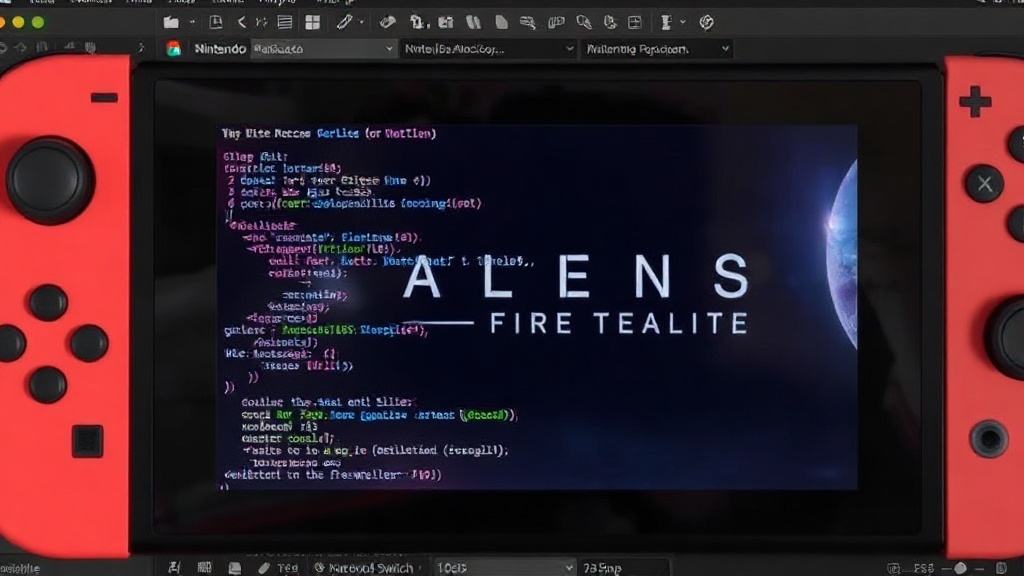
Developer Cold Iron Studios has abruptly shut down the cloud version of its game Aliens: Fireteam Elite, leaving players who purchased the cloud-streamed edition on Nintendo Switch with no access and no recourse for their $60 investment. This move serves as a stark reminder of the precarious nature of digital ownership, particularly when relying on cloud-based services that can vanish with little notice.
The game, which launched in 2021, offered a cloud version specifically for the Nintendo Switch. This allowed players to experience the title without needing the full hardware capabilities typically associated with a demanding PC or console game. However, as of August 2026, that cloud service has been terminated. Players who bought the game expecting continued access are now finding themselves locked out, with their digital purchases effectively becoming worthless.
Cold Iron Studios, the developer, and Daybreak Game Company, the publisher, have offered no refunds for the affected purchases. The decision to cease the cloud service was made without prior warning to the player base, exacerbating the frustration and sense of betrayal. This lack of communication and compensation has ignited significant backlash within the gaming community, highlighting a critical flaw in business models that prioritize cloud streaming over traditional ownership or robust digital rights management.
Digital Ownership: A Fragile Promise
The concept of digital ownership has long been a point of contention in the gaming industry. Unlike physical media, where a player owns a disc or cartridge, digital purchases are often licenses to access content, subject to the terms and conditions of the provider. When a service is discontinued, these licenses can become void, leaving consumers with nothing.
This situation with Aliens: Fireteam Elite is not entirely unprecedented, but its abruptness and the lack of any refund policy make it particularly galling. Players invested real money into a product they believed they would own and access indefinitely, or at least for a reasonable period. The discontinuation of the cloud service effectively renders their purchase a temporary rental at best, and a complete loss at worst.
The decision to remove the cloud version likely stems from economic factors. Maintaining cloud infrastructure for a niche version of a game can be costly, especially if player engagement or revenue from that specific platform has dwindled. However, the ethical implications of selling a product and then unilaterally revoking access without compensation are significant. It erodes trust between developers, publishers, and their player base.
For developers and publishers, the appeal of cloud services is clear: reduced piracy, potentially wider accessibility on less powerful hardware, and the ability to control and update the product centrally. However, this case demonstrates the inherent risk to consumers. Think of it less like buying a book you can lend out or keep on your shelf forever, and more like subscribing to a single-issue magazine where the publisher can decide to stop printing it next month without telling you, and you can't even keep the pages you already received.
Community Outcry and Broader Implications
The backlash has been swift and severe across social media and gaming forums. Players are sharing screenshots of their purchase receipts and expressing anger at the perceived deception. Many are calling for boycotts of Cold Iron Studios and Daybreak Game Company, urging other consumers to be wary of future releases that rely heavily on cloud infrastructure.
This incident also raises questions about the responsibility of platform holders like Nintendo. While the developer and publisher are primarily at fault for the discontinuation and lack of refunds, platform owners often have terms of service that govern the sale of digital goods. The absence of a mechanism to protect consumers in such scenarios is a significant oversight.
What remains unaddressed is whether any legal recourse is available to the affected players. In many jurisdictions, consumer protection laws might offer some avenue for a refund when a purchased product is rendered inaccessible due to a service shutdown. However, the specifics of digital licenses and terms of service can complicate such claims, often leaving consumers with little power.
The broader implication for the gaming industry is a potential chilling effect on cloud-based game offerings. If developers and publishers cannot guarantee long-term access or provide fair compensation when services are shut down, players will become increasingly hesitant to invest in these models. This could stifle innovation in game delivery and accessibility, pushing the industry back towards more traditional, albeit less convenient, forms of digital distribution.
For developers, this is a critical juncture. The allure of cloud gaming is undeniable, but its implementation must be paired with a stronger commitment to consumer rights. Transparency about service longevity, clear policies on discontinuation, and fair refund practices are not just good business ethics; they are essential for building and maintaining player trust in an increasingly digital marketplace.
The $60 price tag for Aliens: Fireteam Elite on Switch was for a cloud-streamed experience. When that experience is yanked away without warning or compensation, it's not just a lost game; it's a lost investment and a damaged reputation. This serves as a potent case study in the ongoing debate about what we truly