
New Go-Based Infostealer Targets macOS Users
A sophisticated malware campaign, dubbed ClickFix, is actively targeting macOS users with a Go-written infostealer designed to pilfer cryptocurrency assets. The attack vector leverages a malicious application, disguised as a legitimate utility, to infiltrate user systems and exfiltrate sensitive data, including browser-stored passwords, Apple Keychain credentials, and cached login information. This development marks a significant escalation in threats targeting the Apple ecosystem, particularly for users involved in cryptocurrency trading and management.
Attack Vector and Payload Delivery
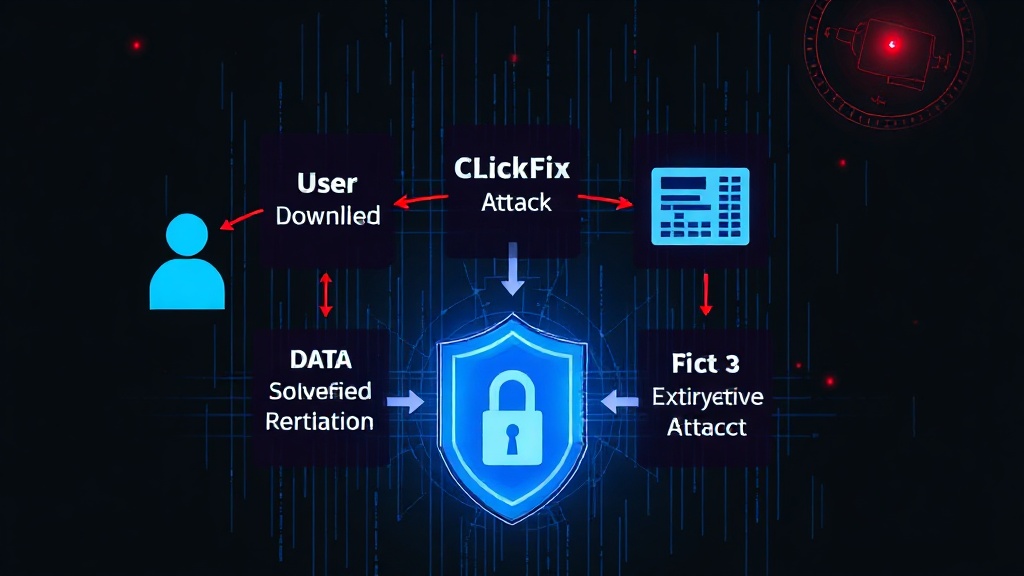
The ClickFix campaign employs a deceptive social engineering tactic to trick users into downloading and executing the malware. While the exact initial distribution method for the ClickFix application is still under investigation, it's understood to be presented as a helpful tool, likely related to system optimization or productivity. Once installed, the application silently deploys its Go-based payload. The choice of Go is notable; it allows for cross-compilation to macOS without requiring a separate build for the target architecture, simplifying the attacker's operations and potentially increasing the speed of deployment across various macOS versions.
Capabilities of the Go Infostealer
The infostealer's primary objective is the theft of cryptocurrency. It achieves this by scanning for and exfiltrating data associated with cryptocurrency wallets and exchange accounts. This includes direct wallet files, API keys, and any sensitive information stored within web browsers or the macOS Keychain that could grant access to these assets. The malware is designed to identify and target common cryptocurrency wallets and browser extensions used for managing digital assets.
Beyond cryptocurrency, the malware possesses a broad data-harvesting capability. It systematically targets browser-stored credentials for various websites, effectively compromising user accounts across different online services. Furthermore, it accesses and exfiltrates data from the Apple Keychain, a secure vault for storing passwords, certificates, and other sensitive information used by macOS and its applications. Cached credentials, often stored by applications for convenience, are also a target, providing attackers with a wide array of access points into a user's digital life.
Technical Details and Attribution
The malware is written in Go, a modern, compiled programming language known for its efficiency and ease of cross-platform development. This choice enables the attackers to produce a single binary that can run on macOS without needing specific compilation for different architectures like Intel or Apple Silicon. The infostealer's design appears to prioritize stealth and comprehensive data collection. It likely operates by enumerating specific files, accessing system APIs for credential retrieval, and then transmitting the collected data to a command-and-control (C2) server. The specific C2 infrastructure and exfiltration methods are points of ongoing security research.
While the threat actor behind ClickFix has not been definitively identified, the use of Go for cross-platform malware is a growing trend among sophisticated threat groups. Security researchers are analyzing the malware's code and network communications to identify any unique indicators of compromise (IOCs) or potential links to known advanced persistent threat (APT) groups. The campaign's focus on cryptocurrency theft suggests a financially motivated actor, but the broad scope of data exfiltration could also indicate intelligence gathering or preparation for future attacks.
Impact on macOS Users and Mitigation Strategies
The ClickFix attack poses a significant risk to macOS users, particularly those who handle financial information or cryptocurrency. The exfiltration of Apple Keychain data is especially concerning, as it is designed to be a secure repository for highly sensitive credentials. Compromise of the Keychain can lead to a cascade of further security breaches across multiple services.
To mitigate the risks associated with this and similar threats, macOS users should exercise extreme caution regarding software downloads. Stick to trusted sources like the Mac App Store or official developer websites. Be wary of unsolicited software or