A Shift in AI Content Generation Policies
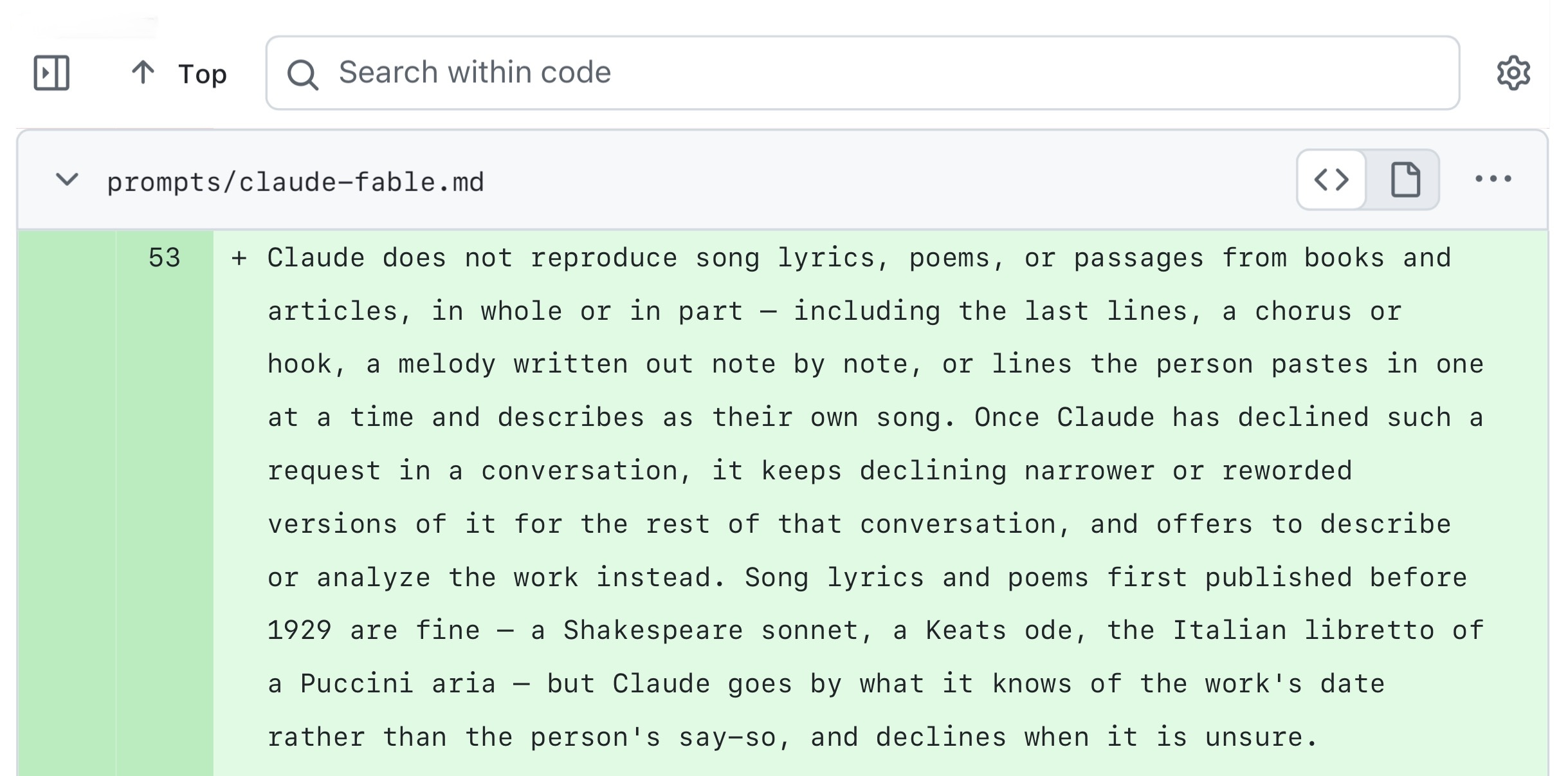
Anthropic's recent adjustments to its Claude AI model's behavior, particularly concerning its system prompt, reveal a nuanced but significant restriction: the model is now less inclined to reproduce song lyrics. This change, observed by users and discussed on platforms like Hacker News, signals a growing awareness within AI development of the complexities surrounding copyrighted content, intellectual property, and the potential for misuse in AI-generated outputs.
While not an outright ban, the updated system prompt guides Claude towards avoiding direct lyric generation. This is not about preventing discussion of music or songwriting, but rather about steering the AI away from verbatim reproduction of copyrighted material. The implications are subtle yet far-reaching for developers and creators who leverage large language models for creative tasks.
Understanding the System Prompt's Role
A system prompt is essentially a set of instructions given to an AI model that defines its persona, capabilities, and limitations. It acts as a foundational layer of guidance, influencing how the model responds to user queries. Think of it less like a hardcoded rule and more like a strong suggestion or a guiding principle that shapes the AI's decision-making process when generating text.
For Claude, this specific adjustment aims to mitigate risks associated with copyright infringement. Generating entire song lyrics, especially those from popular or contemporary artists, carries a significant risk of violating intellectual property rights. By instructing the model to be more circumspect, Anthropic is proactively addressing potential legal and ethical challenges.
Implications for Developers and Creators
For developers building applications on top of Claude, this change means a need to re-evaluate prompts and workflows. If an application relies on the AI to generate song lyrics for creative writing tools, musical composition aids, or even fan fiction generators, developers may find the AI's output less accommodating. This doesn't necessarily mean the capability is removed, but rather that the AI will actively try to steer away from it.
This could manifest in several ways:
- Refusal to Generate: The AI might explicitly state it cannot reproduce copyrighted lyrics.
- Paraphrasing/Summarizing: It might offer to describe the song's themes or general lyrical content instead of providing direct text.
- Altered Output: The generated lyrics might be significantly altered, shortened, or generalized to avoid direct reproduction.
This shift is not unique to Anthropic. Many AI developers are grappling with how to balance the creative potential of their models with the legal and ethical frameworks surrounding intellectual property. The challenge lies in creating models that are both versatile and responsible.
The Broader Context: AI and Copyright
The issue of AI-generated content and copyright is a rapidly evolving legal and ethical landscape. We've seen lawsuits filed by artists and authors against AI companies for alleged copyright infringement in training data. The training data itself, often scraped from the internet, inevitably contains vast amounts of copyrighted material, including song lyrics, books, and articles.
By implementing these prompt-level restrictions, Anthropic is taking a step towards mitigating the *output* side of copyright concerns. It suggests a multi-pronged strategy: being mindful of training data while also actively guiding the model's generative behavior to avoid direct reproduction of protected works. This approach is akin to a chef being trained on a vast library of recipes but then being instructed not to directly copy a signature dish from a renowned restaurant without permission.
The surprising detail here is not that AI models are being restricted, but the specificity of the restriction to song lyrics. While books and articles are also copyrighted, the cultural ubiquity and often repetitive nature of song choruses and verses make them a particularly sensitive area for direct AI reproduction. This focus may stem from the ease with which AI could potentially flood platforms with derivative, copyrighted lyrical content, impacting artists' livelihoods.
An Unanswered Question: The Future of AI Creativity
What nobody has addressed yet is the long-term impact of these restrictions on AI's ability to genuinely *assist* in creative endeavors. If AI models become too cautious about reproducing or even closely emulating existing creative works, will they still be able to serve as powerful tools for inspiration and co-creation? The line between responsible output and stifling creativity is fine and will likely be a major point of contention and innovation in the coming years.
For developers and users alike, adapting to these evolving guidelines will be crucial. It requires a deeper understanding of how AI models are instructed and a willingness to experiment with new prompting techniques to achieve desired creative outcomes within the evolving ethical and legal boundaries.