Bridging the Cookie Gap for Claude Code
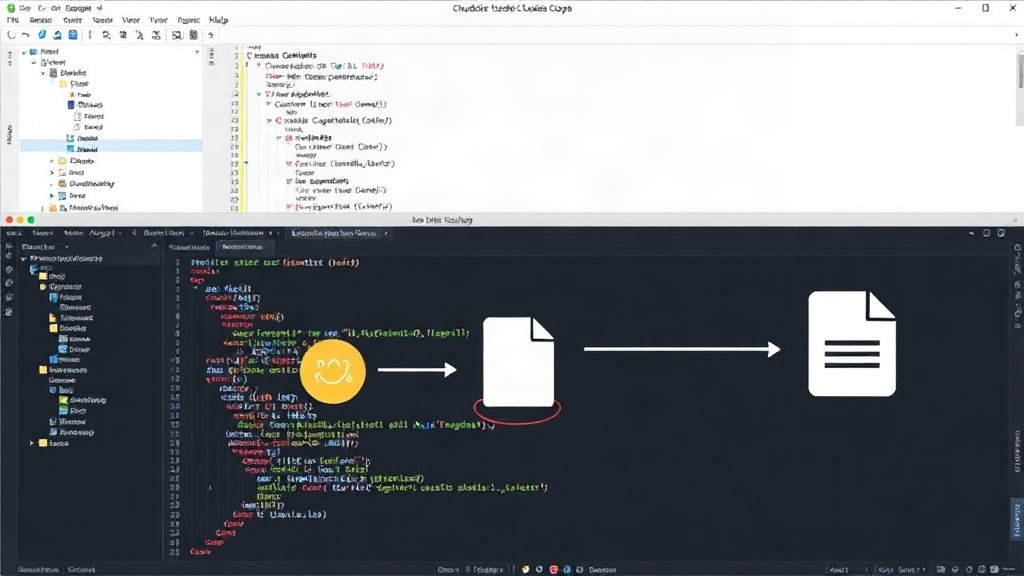
Developers using Claude Code often encounter a friction point: the browser stores login sessions as sessionKey cookies, while Claude Code expects credentials in a ~/.claude/.credentials.json file. This disconnect requires manual intervention or complex workarounds to sync authentication. To address this, Jake Reinhold developed claudecookie.com, a suite of tools designed to simplify the process of managing Claude's authentication credentials.
claudecookie.com offers three core functionalities, all running within the browser to ensure user data never leaves their device. The first is a Converter tool. This utility can transform various cookie formats—including Netscape cookies.txt, Cookie-Editor JSON, Puppeteer format, raw Cookie headers, and simple key-value pairs—into each other. This flexibility allows users to import cookies from different sources or export them into formats required by other tools.
The second tool is the Check function. Users can paste their session cookie, and the tool will verify its validity, identify the associated Claude plan (e.g., Free, Pro), and report the remaining duration of both the 5-hour and weekly usage windows. This provides immediate insight into usage limits and session health without needing to interact directly with Claude's interface.
Finally, the Credentials tool builds upon the Check function. After verifying the session cookie's validity and plan, it allows users to download the exact ~/.claude/.credentials.json file that Claude Code requires for authentication. This streamlines the setup process for local development environments, enabling seamless use of Claude Code with existing browser sessions.
A Public, No-Key JSON API for Authentication
Beyond the browser-based tools, Reinhold introduced a significant enhancement: a public, no-key JSON API. This API allows developers to programmatically interact with the cookie conversion and credential management functionalities. Unlike many authentication APIs that require API keys, this endpoint is designed for simplicity and broad accessibility, enabling integration into various workflows and scripts.
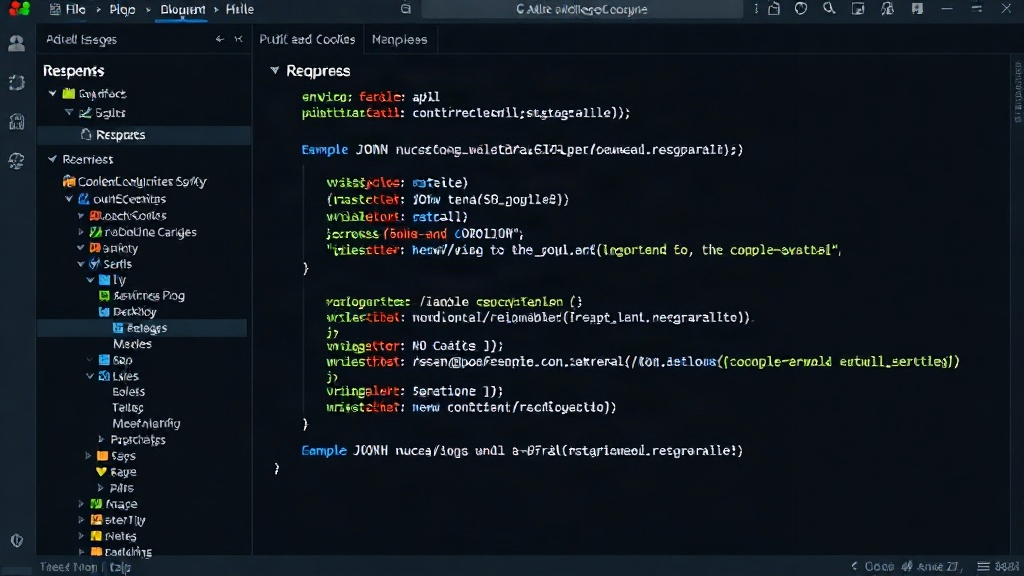
The API essentially mirrors the functionality of the browser tools but exposes it over HTTP. Developers can send cookie data in various formats to an endpoint, and receive processed data, session status, or the downloadable .credentials.json file in return. The absence of an API key requirement lowers the barrier to entry, making it easier for developers to automate the syncing of their Claude sessions across different environments or tools.
This approach tackles a common problem in API client development: the infrastructure code required to handle transport, data encoding, error handling, and authentication. As highlighted in related discussions, building robust API clients often involves managing complexities like query parameters, JSON parsing, retries, rate limits, and authentication schemes. By abstracting these concerns behind a simple, keyless API, claudecookie.com reduces the boilerplate code developers need to write.
The transport-independent foundation mentioned in other contexts is critical here. While claudecookie.com primarily uses browser-based JavaScript and offers a JSON API, the underlying principle of decoupling the API interaction from the specific transport layer (like HTTP) is key. This allows the API to be potentially consumed by various clients, whether they are running in a browser, a Node.js environment, or even a different language through HTTP requests.
Implications and Future Potential
The creation of claudecookie.com and its public API addresses a specific pain point for users of Claude Code. It simplifies authentication management, making it easier to switch between browser-based usage and local development environments. The browser-first design of the core tools ensures privacy and security, as sensitive cookie data is processed client-side.
The public API, in particular, opens up possibilities for automation. Developers can integrate this into their CI/CD pipelines, custom build scripts, or even other applications that require authentication with Claude Code. For instance, a developer might build a tool that automatically updates their Claude Code credentials whenever their browser session changes, ensuring uninterrupted access.
What remains to be seen is how widely this tool will be adopted and whether Anthropic itself will offer a more integrated solution for credential management in the future. Currently, the reliance on browser cookies and session keys is a workaround. However, the initiative by Reinhold demonstrates a clear demand for such conveniences. The transport-independent nature of the API design also suggests potential for broader applications beyond just Claude, serving as a model for other services that might face similar authentication synchronization challenges.
The move towards no-key APIs for certain functionalities is a growing trend. It simplifies integration and reduces operational overhead for users, particularly in scenarios where the API's purpose is localized or supplementary, rather than a core service requiring stringent access control. For claudecookie.com, this means developers can quickly leverage its power without the friction of obtaining and managing API keys, accelerating their workflows.