
Exploitation of Zyxel Devices Targets Network Infrastructure
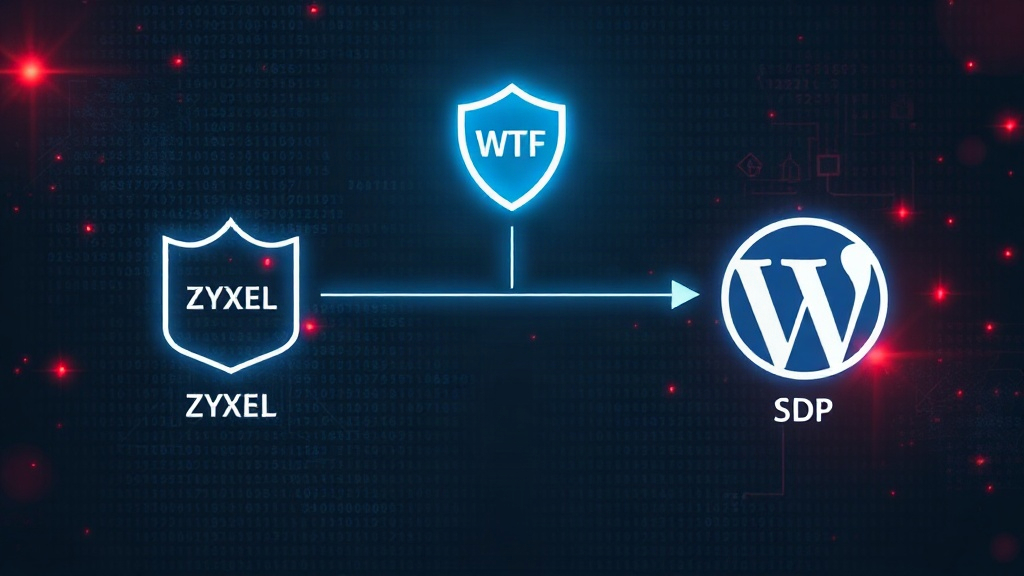
A sophisticated Chinese-speaking threat actor has been actively exploiting vulnerabilities in Zyxel GS1900 Smart Managed Switches and WordPress websites to compromise government entities. The campaign, which has been ongoing since at least May 2023, focuses on stealing sensitive data, including credentials and system information. The attackers leverage known security weaknesses to gain initial access and then move laterally within compromised networks.
The primary vector appears to be the exploitation of a critical vulnerability in Zyxel GS1900 Smart Managed Switches. While the specific CVE for this Zyxel vulnerability is not detailed in the provided excerpt, these devices often manage network traffic and access for entire organizations. Compromising them provides attackers with a prime position to intercept or redirect data, and to pivot to other systems within the network. The attackers are adept at using these switches as a foothold, potentially for their persistence or for reconnaissance.
The threat actor's toolkit includes custom malware and sophisticated techniques to maintain access and evade detection. After gaining initial access through the Zyxel devices, they have been observed deploying tools to harvest credentials, map network topology, and exfiltrate data. The scale of the operation is significant, with reports indicating exploitation of at least 996 devices and the theft of data from over 18,500 records stored in backend databases.
WordPress Vulnerabilities Facilitate Data Exfiltration
In parallel to the Zyxel exploits, the threat actor also targets WordPress websites. This suggests a multi-pronged approach, aiming to compromise different layers of an organization's digital infrastructure. WordPress, being a widely used content management system, often hosts sensitive information or serves as a gateway to internal systems. Exploiting vulnerabilities in WordPress plugins or themes could grant attackers access to user databases, website content, or even administrative privileges.
The specific WordPress vulnerabilities are not detailed, but common attack vectors include exploiting outdated plugins with known exploits, or leveraging weak authentication mechanisms. Once inside a WordPress installation, attackers can inject malicious code, redirect traffic, or access the underlying database. The excerpt mentions the theft of over 18,500 records from backend databases, strongly implying that compromised WordPress sites served as a conduit for accessing and exfiltrating this data. This could include user credentials, customer information, or proprietary business data.
The threat actor's methodology indicates a deep understanding of both network infrastructure security and web application vulnerabilities. By combining exploits against network devices like Zyxel switches with attacks on popular web platforms like WordPress, they create a robust attack chain. This allows them to bypass single layers of defense and achieve their objectives of data theft.
Sophistication and Attribution
The observed techniques and the use of custom tools point towards a well-resourced and organized threat group. The attribution to a "Chinese-speaking threat actor" suggests intelligence gathered through technical indicators and possibly geopolitical context. Such actors are often state-sponsored or state-aligned, indicating that the targets are likely of strategic importance to a foreign government.
The actors demonstrate persistence and adaptability. They are not just using off-the-shelf exploits but are likely customizing their tools and tactics to evade security measures. The fact that they are targeting government entities underscores the high stakes involved, as the stolen data could be used for espionage, intelligence gathering, or to disrupt government operations. The continuous exploitation since May 2023 indicates a sustained effort and a high degree of success in their operations.
The implications of such attacks are far-reaching. For government agencies, it means a direct threat to national security and sensitive citizen data. For the cybersecurity industry, it highlights the ongoing need for vigilance against sophisticated actors who are adept at exploiting both legacy and modern technologies. The attackers' ability to compromise a substantial number of devices and records underscores the persistent threat posed by advanced persistent threats (APTs) operating from various geopolitical regions.
Broader Implications and Defensive Strategies
This incident serves as a stark reminder that even known vulnerabilities, if unpatched, can be weaponized by determined adversaries. Organizations, particularly those in the public sector, must prioritize timely patching of all network devices and web applications. This includes not only servers and workstations but also network infrastructure components like managed switches, which are often overlooked in security assessments.
For Zyxel GS1900 users, immediate action is critical. This involves identifying if their devices are vulnerable, applying any available firmware updates, and reviewing network access logs for suspicious activity. Similarly, WordPress administrators must ensure their core installation, themes, and plugins are up-to-date and regularly audit their sites for signs of compromise. Implementing robust security practices, such as strong password policies, multi-factor authentication, and regular data backups, can mitigate the impact of such attacks.
The sophistication of the threat actor suggests that relying solely on automated defenses may not be sufficient. A layered security approach, combined with proactive threat hunting and incident response capabilities, is essential. The ability to detect and respond to novel malware and attack patterns is crucial in staying ahead of adversaries like this Chinese-speaking group. The ongoing nature of this campaign indicates that the threat is not theoretical but a present danger to organizations worldwide.