
Pentagon Probes F-35 Component Diversion
Components intended for the F-35 fighter jet, one of the most advanced military aircraft in the world, have reportedly fallen into the possession of China. The incident involves a shipment of parts that were diverted through Hong Kong, triggering a military investigation and raising alarms about the potential compromise of sensitive stealth technology. While the Pentagon has downplayed the mishap, the implications for national security and technological advantage are significant.
The exact nature of the components and the specific F-35 variant involved remain undisclosed. However, reports suggest that the parts were part of a larger shipment that was rerouted through Hong Kong. This diversion is believed to have allowed Chinese intelligence to intercept and acquire the sensitive materials. The incident highlights a critical vulnerability in the global supply chain for advanced military hardware, even for a program as closely guarded as the F-35.
The F-35 program is a cornerstone of modern air defense for the United States and its allies. Its advanced stealth capabilities, sensor fusion, and network-centric warfare features represent a significant leap in aerial combat technology. The loss of any component, particularly those related to its stealth characteristics, could provide adversaries with invaluable intelligence, potentially eroding the F-35's operational advantage.
Supply Chain Vulnerabilities Exposed
The Pentagon's investigation is likely focused on how the diversion occurred and the extent to which the technology may have been compromised. Sources indicate that the shipment was handled by a third-party logistics provider, and the rerouting through Hong Kong was not authorized. This points to potential failures in oversight and security protocols within the complex global supply chain that supports the F-35 program. The sheer volume of parts and materials required for such a sophisticated aircraft necessitates a vast network of suppliers and transporters, each representing a potential point of failure or exploitation.
The concern is not just about the physical parts themselves, but also the data and manufacturing processes associated with them. Stealth technology, for instance, relies on specialized materials, coatings, and manufacturing techniques. Acquiring even a sample of these materials, or understanding the precise recipe and application process for stealth coatings, could allow China to develop countermeasures or improve its own stealth capabilities. This is akin to an adversary obtaining the secret formula for a nation's most potent weapon, not just the weapon itself.
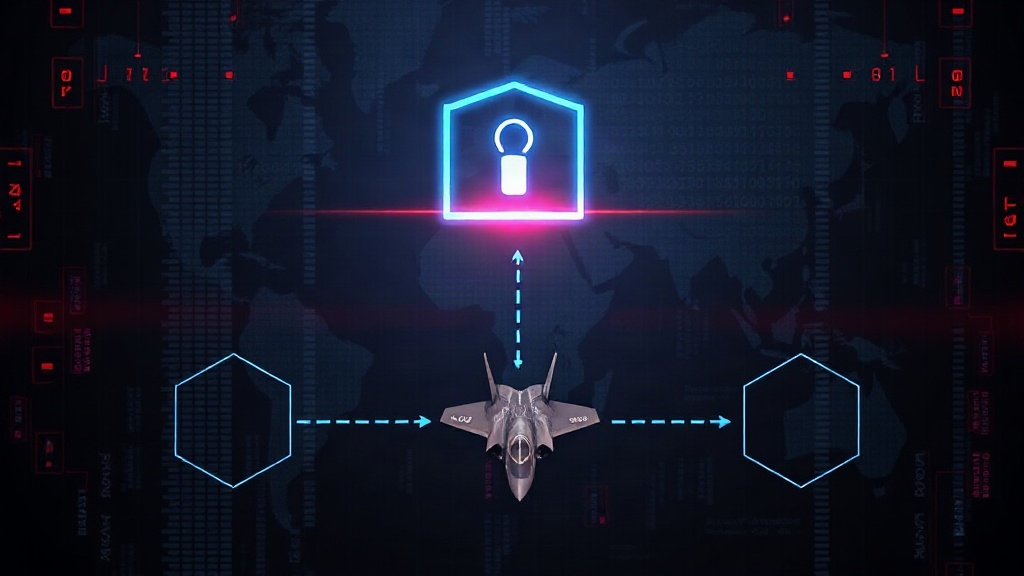
The Pentagon has stated that there is no indication of any compromise to the F-35 program's data or operational capabilities. However, the fact that components were diverted and are now potentially in Chinese hands is a serious matter. The investigation will seek to determine the exact nature of the components, whether they contained any sensitive data, and what steps China might be able to glean from them. This could involve reverse-engineering the parts, analyzing the materials, or understanding the manufacturing techniques.
Geopolitical Ramifications and Countermeasures
This incident underscores the persistent threat posed by state-sponsored espionage and the challenges of maintaining technological superiority in an era of increasingly sophisticated intelligence gathering. China has long been a focus of U.S. concerns regarding intellectual property theft and military modernization. The F-35 program, being a flagship initiative for many Western allies, is a prime target for such activities.
The Pentagon's response will likely involve a review and enhancement of supply chain security measures for all sensitive defense programs. This could include stricter vetting of third-party logistics providers, more robust tracking and monitoring of shipments, and potentially diversifying supply chain routes to avoid known risk areas like Hong Kong, which has seen increased political influence from mainland China. The incident may also prompt a reevaluation of how components are designed and packaged to minimize the risk of data exfiltration even if physical parts are compromised.
What remains unaddressed is the precise mechanism by which these parts were diverted and intercepted. Was it a sophisticated cyber operation targeting the logistics provider's tracking systems, a physical interception at a transshipment point, or an inside job? Without a thorough understanding of the 'how,' preventing future incidents becomes significantly more challenging. The Pentagon's investigation aims to answer these critical questions, but the speed at which such information can be analyzed and acted upon is paramount.
While the U.S. military aims to project an image of control and minimal risk, the reality of protecting cutting-edge technology in a globally interconnected world is fraught with peril. The F-35 program, representing trillions of dollars in investment and decades of research, is a testament to human ingenuity, but its security relies on an intricate and potentially fragile global network. This latest incident serves as a stark reminder that even the most advanced systems are only as secure as their weakest link.