Bridging the Intent-Command Gap
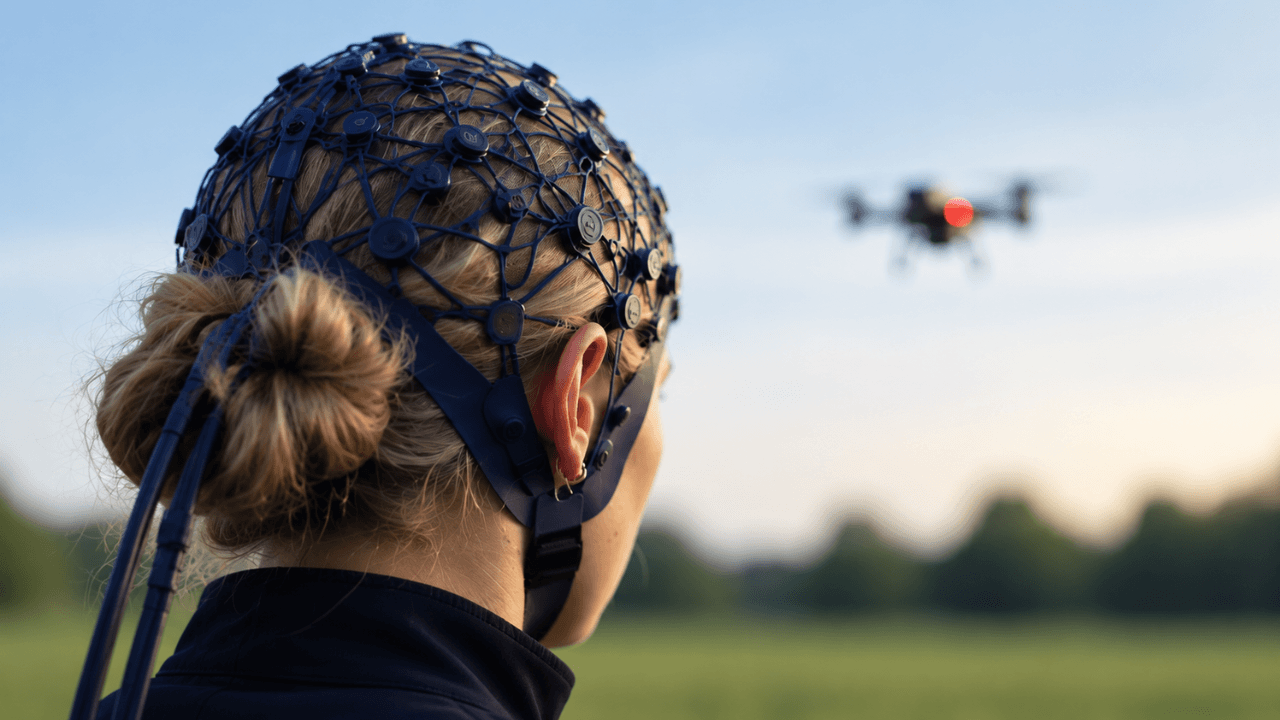
Cerebionics, a nascent startup founded by Norwegian entrepreneur Agnessa P., is embarking on an ambitious mission: to create a seamless interface between human thought and machine action. The core of their endeavor lies in deciphering human intent – the underlying desire or goal behind a conscious thought – and translating it into precise commands that machines can execute. This is not about mind-reading in a science fiction sense, but rather about sophisticated interpretation of neural signals and contextual cues.
The challenge is immense. Human intent is complex, nuanced, and often implicit. Unlike direct commands that are explicitly articulated, intent requires understanding the user's underlying objective, even when the exact steps are not fully formed. Cerebionics aims to build a system that can infer these objectives by analyzing a combination of biological signals and contextual data. Think of it less like a voice assistant that waits for a specific phrase, and more like an intuitive partner that anticipates your needs based on your current situation and expressed desires.
The Technology Behind Intent Interpretation
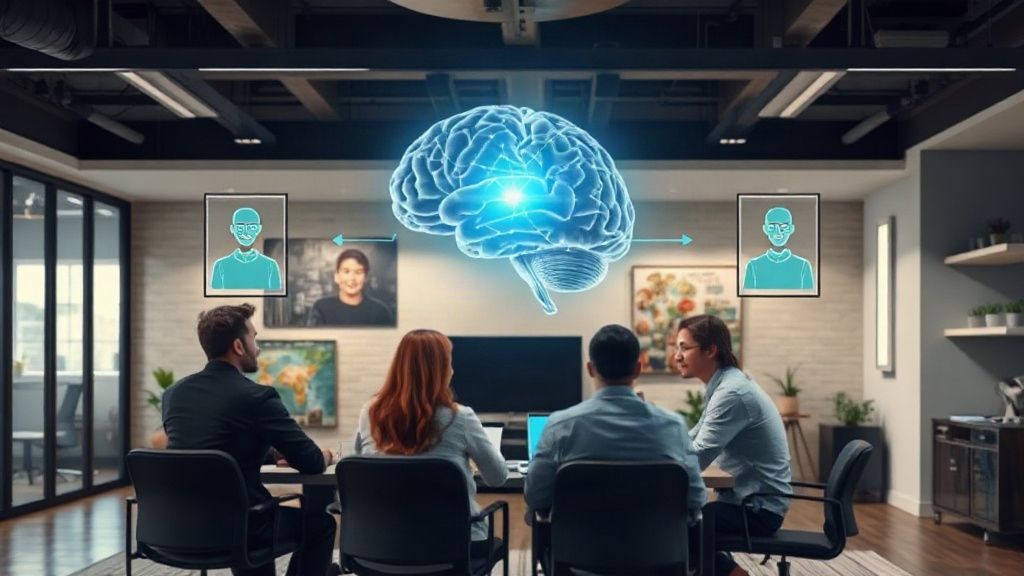
While specific technical details remain proprietary, the approach likely involves a multi-modal system. This could include advanced electroencephalography (EEG) or other non-invasive neural interfaces to capture brain activity. However, raw neural data is noisy and requires significant processing. Cerebionics is likely developing sophisticated algorithms, potentially leveraging machine learning and artificial intelligence, to filter, interpret, and contextualize these signals. The goal is to identify patterns that correlate with specific intentions.
For instance, imagine a scenario where a user is looking at a smart home device and thinking about turning off the lights. Cerebionics' system would aim to detect the neural correlates of that specific intention, cross-reference it with the user's current environment (e.g., they are in the living room, it's evening), and then issue the command to the smart home hub. This requires not only understanding the brain signals but also integrating with the broader digital and physical environment the user operates within.
The potential applications are vast. In robotics, it could allow for more intuitive control, enabling operators to guide complex machinery with greater ease and precision. For assistive technologies, it could offer new avenues for individuals with mobility impairments to interact with their environment. Even in everyday computing, it could lead to interfaces that adapt more proactively to user needs, reducing the friction between thought and action.
Challenges and the Path Forward
The path Cerebionics is forging is fraught with technical and ethical hurdles. Accurately distinguishing between fleeting thoughts and deliberate intentions is a significant challenge. Furthermore, the variability in individual neural patterns means that any system would need to be highly personalized and adaptable. The accuracy and reliability of such a system are paramount; misinterpretations could lead to unintended actions with potentially serious consequences.
Ethical considerations also loom large. As technology progresses towards interpreting human intent more directly, questions about privacy, data security, and potential misuse become increasingly critical. Ensuring that user data is protected and that the technology is used for beneficial purposes will be a key aspect of its development and deployment.
The startup, still in its early stages, is focused on building the foundational technology. The success of Cerebionics will depend on its ability to achieve a high degree of accuracy and reliability in intent interpretation, coupled with a robust strategy for navigating the complex ethical landscape. If successful, Cerebionics could fundamentally alter how humans interact with technology, making machines more responsive and intuitive partners in our daily lives.
What nobody has fully addressed yet is the long-term societal impact of machines that can anticipate and act on intent. Will this lead to greater efficiency and autonomy, or could it inadvertently reduce human agency by making decision-making too passive?