%22%20%2F%3E%0A%20%20%3C%2Fsvg%3E)
Introducing the Bullshit Detector
A new open-source project, dubbed 'Bullshit Detector,' has emerged on Hacker News, promising to leverage AI agents for fact-checking video and article content. The project, initiated by developer Serhii Korniienko, aims to provide a tool that can autonomously sift through digital media and flag potential misinformation. While the concept of AI-assisted fact-checking is not new, the 'Bullshit Detector' positions itself as a practical application of agent-based AI skills, designed for direct use by individuals and potentially integrated into broader content verification platforms.
The core idea is to build a system that can go beyond simple keyword matching or source reputation checks. Instead, it employs AI agents, which are designed to perform specific tasks and collaborate to achieve a larger goal. In this context, these agents are tasked with analyzing various facets of a piece of content – be it a video or an article – to determine its veracity. This approach suggests a more nuanced understanding of information, potentially looking at logical fallacies, emotional appeals, unsupported claims, and inconsistencies within the content itself, as well as cross-referencing with known facts.
How the Bullshit Detector Works
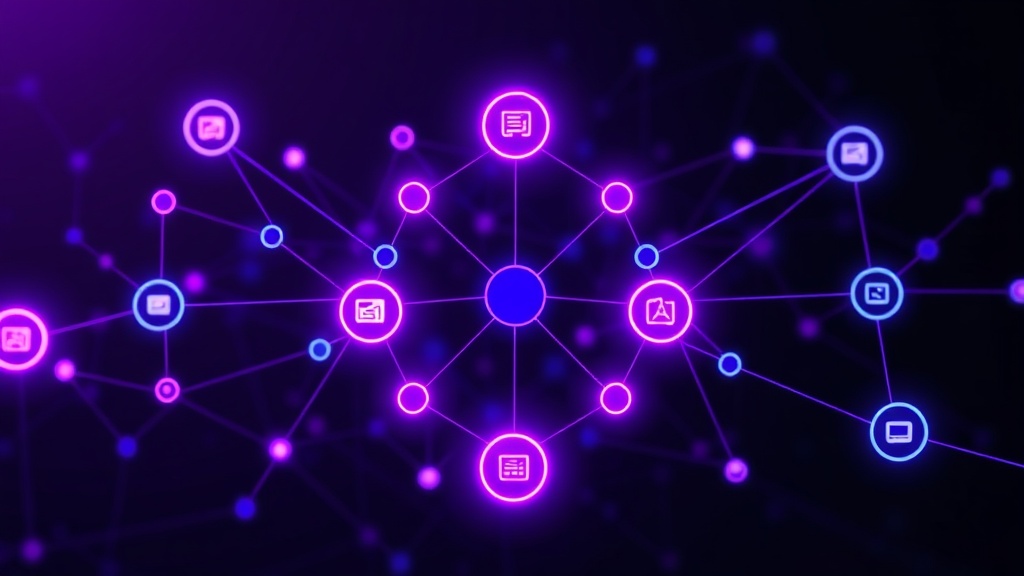
While the specifics of the agent architecture and their training data are not detailed in the initial announcement, the project description implies a multi-agent system. Each agent likely specializes in a particular type of analysis. For instance, one agent might be responsible for transcribing video content and analyzing spoken claims. Another could focus on identifying logical fallacies within written text. A third agent might be tasked with searching external knowledge bases and reputable sources to verify specific facts or statistics presented.
The synergy between these agents is crucial. They would need to communicate their findings, weigh evidence, and collaboratively arrive at a conclusion about the content's trustworthiness. This could involve a hierarchical structure where a 'manager' agent coordinates the efforts of 'worker' agents, or a more decentralized approach where agents interact peer-to-peer. The output could range from a simple score indicating the likelihood of misinformation to a detailed report highlighting specific claims and the evidence (or lack thereof) supporting them.
The project's open-source nature is a significant factor. It allows for community contributions, transparency in its methodology, and the potential for rapid iteration and improvement. Developers can inspect the code, suggest enhancements, and even adapt the tool for their specific needs. This collaborative model is vital for building trust in AI-driven fact-checking systems, which are inherently susceptible to biases and errors.
The Challenge of AI Fact-Checking
Fact-checking, even by humans, is a complex and often subjective process. AI faces additional hurdles. Distinguishing between genuine opinion, satire, and deliberate falsehoods requires a sophisticated understanding of context, intent, and nuance – areas where AI still struggles. Furthermore, the 'arms race' between misinformation creators and fact-checkers is continuous. As detection methods improve, so do techniques for spreading disinformation, often exploiting the very platforms and algorithms designed to prevent it.
The 'Bullshit Detector' project seems to acknowledge this by focusing on 'agent skills.' This suggests a move towards more dynamic and adaptive AI models rather than static rule-based systems. However, the effectiveness of such a system will heavily depend on the quality and breadth of the data used for training, the sophistication of the agent communication protocols, and the ability to handle novel or evolving misinformation tactics. What remains to be seen is how well these agents can discern subtle forms of manipulation, such as cherry-picked statistics or out-of-context quotes, which are common in sophisticated disinformation campaigns.
Potential Applications and Future Development
The immediate application for the 'Bullshit Detector' is as a personal tool for individuals seeking to critically evaluate the information they consume. It could be integrated into browser extensions, allowing users to check the veracity of articles or videos they encounter online. For content creators and journalists, it could serve as an initial screening tool, flagging potentially problematic claims for further human review.
The project's success will hinge on its ability to scale and adapt. As the volume and complexity of online information grow, so does the need for efficient and reliable verification tools. The open-source community's engagement will be key to its evolution. Future development could involve expanding the range of content types supported (e.g., social media posts, podcasts), improving the accuracy and explainability of its findings, and developing more robust defenses against adversarial attacks designed to fool the system.
One compelling question is how this tool will handle copyrighted video content and the ethical considerations of automatically analyzing and flagging user-generated or shared media. Furthermore, the project's long-term impact will depend on its ability to stay ahead of the curve in the ever-evolving landscape of online disinformation. The developers have presented a promising initial concept; its true value will be revealed through community adoption and ongoing refinement.