Prologue: The Case That Started With a Skip Button
Every investigation begins with a nagging detail. For this project, it's the seemingly mundane act of hitting the skip button on a YouTube video after just a few seconds. You’ve spent hours lost in YouTube’s algorithmic labyrinth, stumbling through lo-fi beats, obscure city-pop tracks, and live music sessions. You’ve noticed patterns: certain songs you always skip, others you loop repeatedly, and a general drift towards specific genres at particular times of day. This intricate web of your listening habits is currently an invisible, unsearchable smear across your YouTube history. Your mission, over the next few months, is to transform this hidden data into an intelligent, self-learning music system.
This isn't about passively consuming music recommendations. It's about actively dissecting your own behavior to build a personalized AI orchestra. Think of your YouTube history not as a list of watched videos, but as a rich dataset waiting to be analyzed. Each skip, repeat, and session duration is a data point. The goal is to move beyond YouTube’s generic suggestions and create a system that truly understands the nuances of your evolving musical preferences.
The journey involves several key stages: data acquisition, pattern identification, model training, and finally, the creation of a functional 'Auto-DJ' that can curate and play music based on these learned patterns. This field guide is structured as a 3–5 month project, treating your personal music discovery habits as a fascinating case study in applied AI and data science.
Phase 1: Data Acquisition – Unearthing the Clues
The first step in any investigation is gathering evidence. For the Auto-DJ project, this means extracting your YouTube watch history. YouTube provides a tool for downloading your data, which includes watch history, search history, and more. This raw data, typically in JSON format, is the foundation of your entire system. It’s crucial to understand the structure of this data – each entry usually contains a timestamp, video title, and a URL. While YouTube’s interface offers limited analytical capabilities, the downloaded data is a treasure trove.
Beyond just watch history, consider other related data points. If you’ve ever liked a video, added it to a playlist, or even commented, these interactions offer further signals about your preferences. Integrating these diverse data streams can paint a more comprehensive picture of your musical taste. The challenge here isn't just downloading the data, but cleaning and structuring it into a usable format for analysis. This might involve writing scripts to parse JSON files, filter out irrelevant videos (like non-music content), and standardize timestamps for consistent analysis.
Phase 2: Pattern Recognition – Identifying the Motives
With the data in hand, the detective work truly begins: identifying patterns. Your YouTube history is a sequence of events, and by analyzing this sequence, you can uncover subtle preferences. This involves looking at:
- Skip Rates: Which songs do you consistently skip within the first few seconds? This indicates a strong negative preference.
- Repeat Plays: Which songs do you listen to multiple times in quick succession? This signals high engagement and enjoyment.
- Session Analysis: What genres or artists do you tend to listen to at specific times of day or on certain days of the week? This helps understand temporal preferences.
- Genre/Artist Associations: Do certain artists or genres frequently appear together in your listening sessions? This reveals connections in your taste.
This phase might involve statistical analysis, simple frequency counts, or more advanced sequence mining techniques. The aim is to quantify your preferences, moving from subjective feelings to objective data points. For instance, you could calculate a 'liking score' for each song based on replays and minimal skips, or a 'disliking score' based on frequent skips.
Phase 3: Model Training – Teaching the Brain
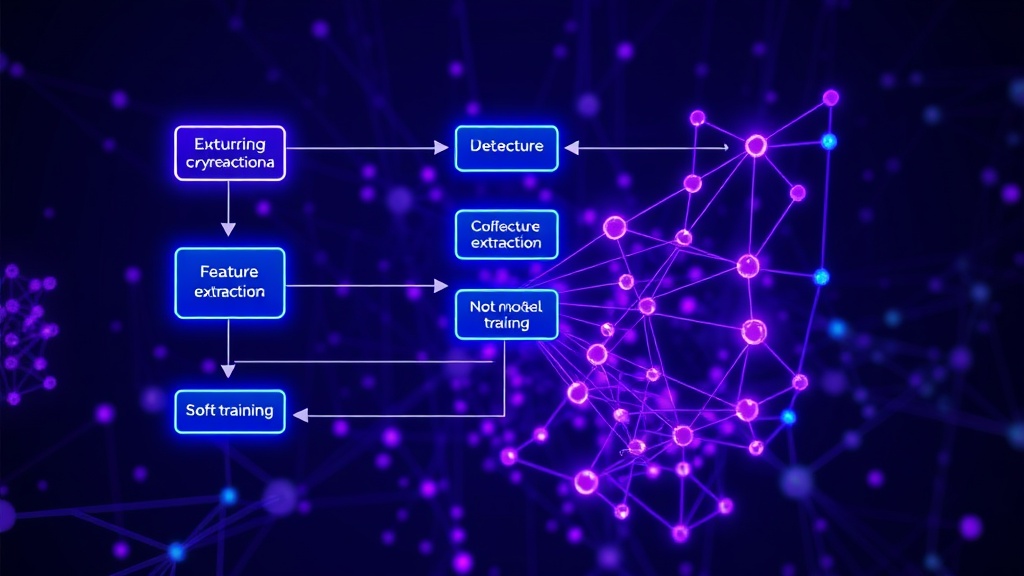
Now, you need to build a 'brain' that can learn from these patterns. This is where machine learning comes in. You can train a model to predict your likelihood of enjoying a song based on the features you've extracted from your history.
Several approaches are possible:
- Collaborative Filtering: While typically used for recommending items between users, a simplified version can be applied to your own history. The system learns which songs are similar based on when and how you interacted with them.
- Content-Based Filtering: If you can extract metadata about the music (genre, artist, tempo, mood), you can train a model to recommend songs with similar characteristics to those you've liked. YouTube video metadata (title, description) can be a starting point, but more advanced audio analysis might be needed.
- Sequence Models (e.g., RNNs, LSTMs): These models are excellent at learning from sequential data. They can learn the order in which you listen to songs and predict the next likely track in a sequence, capturing temporal dynamics of your taste.
The output of this training phase is a model that can take a song as input and provide a 'score' indicating how likely you are to enjoy it, or predict the next song you’d want to hear. The surprising detail here is not the complexity of the models, but how much predictive power can be derived from seemingly simple behavioral data like skips and replays.
Phase 4: The Auto-DJ – Orchestrating the Experience
The final stage is bringing it all together. The trained model needs an interface and a playback mechanism. This involves:
- Music Source: Leveraging YouTube’s vast library. You’ll need to use the YouTube API to search for songs based on recommendations from your model and play them.
- Playback Control: Building a player that can queue songs, handle skips, and potentially even trigger replays based on the model’s confidence.
- Feedback Loop: This is where the 'self-learning' truly shines. The Auto-DJ must continuously learn from new interactions. When you skip a song the AI played, or replay it, this feedback should be fed back into the system to retrain and refine the model. This creates a dynamic system that adapts as your tastes change.
The Auto-DJ is more than just a music player; it’s a dynamic reflection of your evolving musical identity. It learns not just what you like, but *why* you like it, and how those preferences shift over time. This is what sets it apart from static playlists or generic recommendation engines.
The Unanswered Question: Scalability and Privacy
While this project focuses on a single user's data, what nobody has addressed yet is the scalability and privacy implications of such a system applied to a broader user base. If a service were to offer a truly personalized AI DJ based on user habits, how would it handle the immense volume of data? More critically, how would it ensure the privacy of deeply personal listening habits? The ethical considerations of building such intimate AI mirrors are significant and remain largely unexplored.
Building your own Auto-DJ is a deep dive into personal data analytics and machine learning. It transforms a passive habit into an active, intelligent music curation system. The process is iterative, requiring continuous refinement, but the reward is an AI that truly knows your music.