The Module vs. The Button: A Critical Distinction
Most Software-as-a-Service (SaaS) applications do not need a simple “crypto payment button.” They require a robust payment module. This distinction is crucial for building scalable and manageable subscription services. A button typically redirects users to an external payment gateway, handling only the initial transaction initiation. A module, however, must deeply integrate with the SaaS application itself, managing the entire payment lifecycle from user identification to plan activation, access control, and ongoing subscription management.
Consider the complexities: which user is paying? Which workspace or account should be upgraded? Which specific plan becomes active? When should access expire if a subscription lapses? How are failed or expired payments handled to prevent service disruption? How can support staff inspect payment statuses for troubleshooting? How can finance teams export records for accounting and auditing? These are not trivial concerns addressed by a simple redirect. They demand a system that lives within your application’s core logic.
A Crypto Payment Module for SaaS Apps acts as a reusable layer. It allows SaaS builders to integrate cryptocurrency payments without needing to construct the entire payment lifecycle infrastructure from scratch. This approach abstracts away much of the complexity associated with handling blockchain transactions, wallet management, and fiat conversions, enabling developers to focus on their core product features and user experience.
Leveraging OxaPay for a Robust Module
To illustrate the construction of such a module, we can use OxaPay as an example crypto payment infrastructure. OxaPay provides the necessary primitives that developers can assemble into a comprehensive payment module. These primitives include:
- Invoice Generation: Creating unique invoices for each transaction, specifying the amount, currency, and recipient.
- White-Label Payments: Allowing the SaaS application to present a branded payment interface to its users, maintaining a seamless user experience.
- Static Addresses: Providing stable cryptocurrency addresses for recurring payments or specific customer accounts, simplifying the payment process and reconciliation.
- Webhooks: Enabling real-time notifications from OxaPay to your SaaS application about payment status changes (e.g., confirmed, failed, pending). This is critical for automated plan upgrades and access management.
- Payment Information: Accessing details about transactions, such as transaction IDs, block confirmations, and exchange rates at the time of payment.
- Payment Intents: Facilitating the creation and management of payment requests that users can fulfill.
By integrating these primitives, a SaaS developer can build a module that handles the critical aspects of the payment process internally. This means the application knows who paid, what they paid for, and can automatically provision or update their service accordingly.
Architectural Considerations for Your Module
Building a crypto payment module involves several key architectural decisions. Firstly, user authentication and authorization must be tightly integrated. When a payment is confirmed, the module needs to reliably link the transaction to a specific user account and, potentially, a specific workspace or team within the SaaS application. This prevents incorrect provisioning or access grants.
Secondly, plan management and subscription logic are paramount. The module must be able to interpret payment details (amount, currency, plan ID) and translate them into actions within the SaaS backend. This includes upgrading user plans, extending subscription durations, or downgrading accounts if a payment fails or expires. Handling prorated charges for plan changes and managing trial periods also falls under this umbrella.
Thirdly, error handling and reconciliation are critical for business operations. What happens when a payment is stuck in confirmation for an extended period? How does the system handle double-spending attempts or network congestion? The module needs robust mechanisms to monitor transaction statuses, flag suspicious activity, and provide clear error messages to both users and administrators. For finance teams, the ability to export transaction data, including cryptocurrency amounts, fiat equivalents at the time of transaction, and associated fees, is essential for accurate bookkeeping and tax compliance.
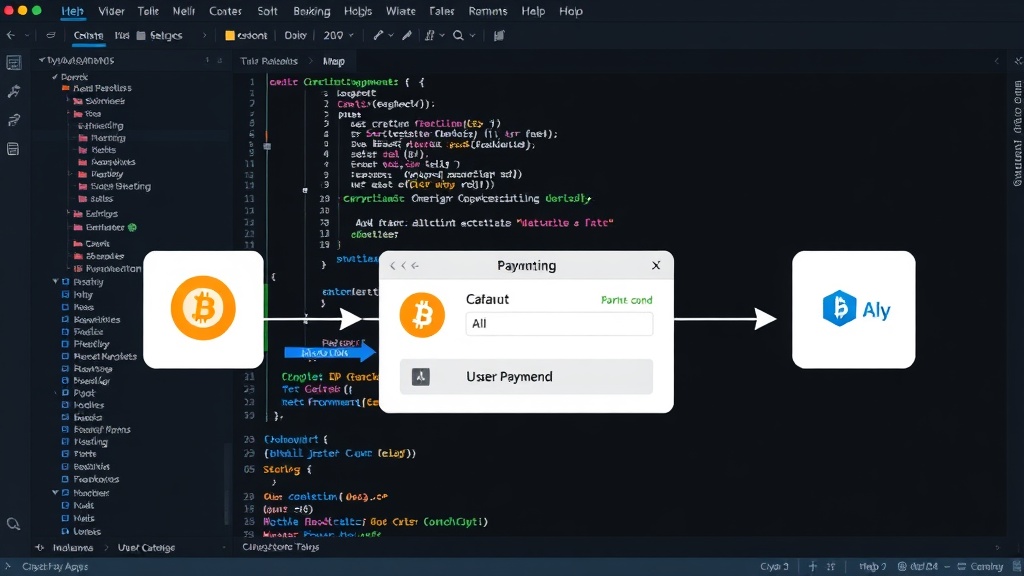
The use of webhooks from providers like OxaPay is fundamental here. When a payment is confirmed on the blockchain, OxaPay sends a webhook to your SaaS application’s endpoint. Your application’s payment module then processes this webhook, verifies the transaction details (e.g., against the generated invoice and expected amount), and triggers the appropriate backend action, such as activating a premium subscription. This asynchronous communication ensures that your application can react to payment events in near real-time without requiring constant polling, which would be inefficient and resource-intensive.
Beyond Basic Transactions: Advanced Features
A sophisticated crypto payment module can offer advanced features that enhance user experience and operational efficiency. This includes multi-currency support, allowing users to pay in their preferred cryptocurrency. The module would need to handle exchange rate conversions, potentially using real-time data from reputable sources, to ensure the correct fiat value is received. For businesses operating globally, this flexibility is a significant advantage.
Recurring payments via cryptocurrency present a unique challenge. While some cryptocurrencies and payment solutions support recurring billing through smart contracts or automated debits, many do not offer the same seamless experience as traditional credit card subscriptions. A module might need to implement a system that periodically generates new invoices for subscription renewals and notifies users, or integrates with services that can manage automated crypto debits if available and secure.
Customer support integration is another area where a well-built module shines. Support agents should be able to look up a user’s payment history, view current subscription status, and see details of pending or failed transactions directly within their support dashboard. This provides immediate context for customer inquiries and reduces resolution times.
The surprising detail here is not the technical feasibility of processing crypto payments, but the sheer breadth of business logic required to make it work reliably within a SaaS context. Many developers might underestimate the need for robust state management, error handling, and audit trails when moving beyond a simple payment button.
The Future of Crypto Payments in SaaS
As cryptocurrency adoption grows and the underlying technology matures, integrating crypto payments will become increasingly common for SaaS applications. The key for developers is to approach this not as a novelty feature, but as a core component of their business infrastructure. Building a dedicated payment module, rather than relying on superficial integrations, ensures that the SaaS application can scale effectively, maintain a high level of user experience, and operate efficiently from a financial and administrative perspective.
The distinction between a payment button and a payment module is the difference between a one-off transaction and a sustainable business model. For SaaS companies looking to embrace digital currencies, investing in a well-architected module is not just an option; it’s a necessity for long-term success.