The Evolving Data Diet of Physical AI
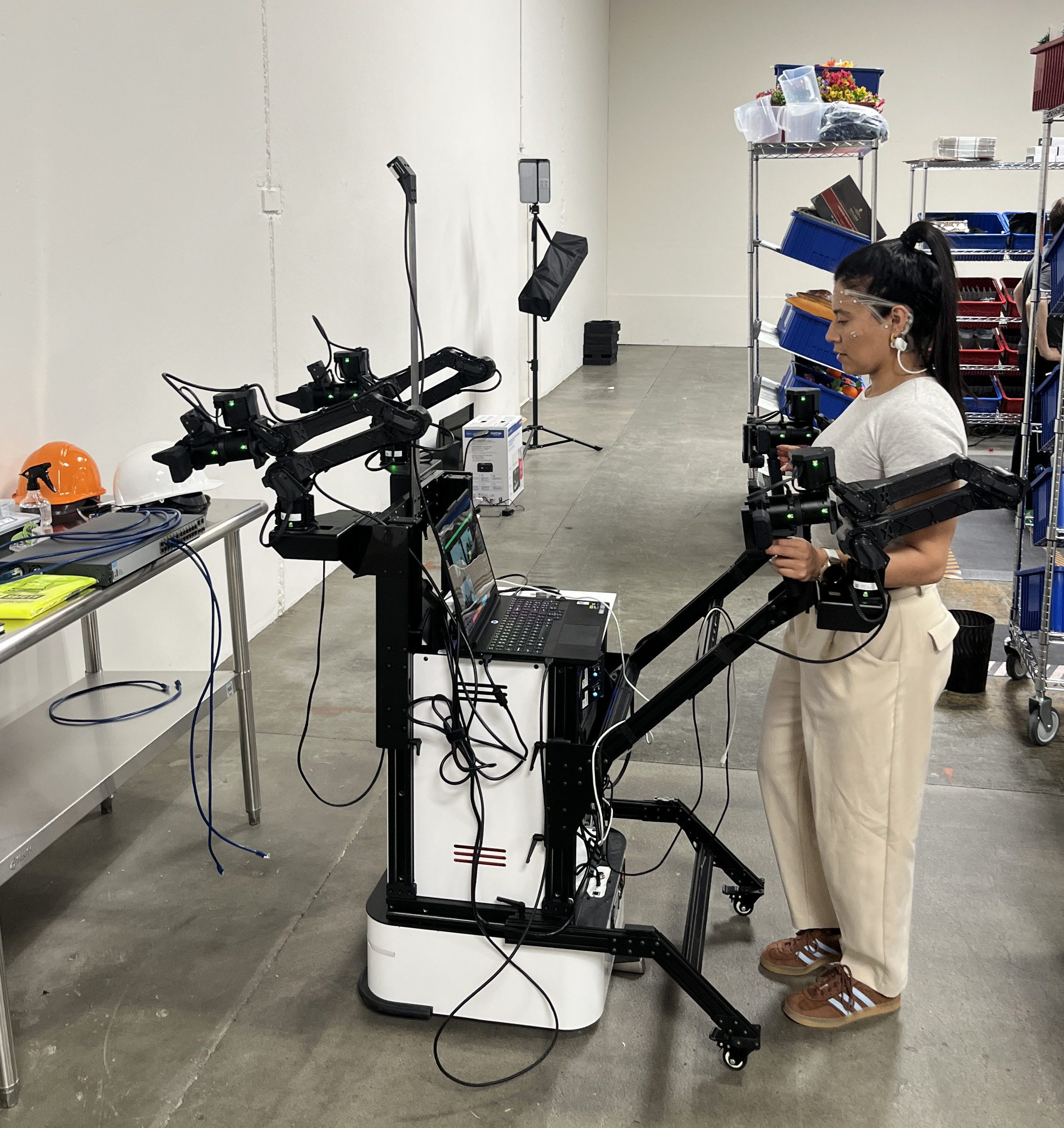
The pursuit of truly capable physical Artificial Intelligence, the kind that can interact with and manipulate the real world, is rapidly demanding more sophisticated data inputs. For years, training data for these systems primarily consisted of vast libraries of YouTube videos and meticulously annotated images, providing visual context for actions. While essential, this approach has limitations. It captures what an action looks like, but not necessarily the intent, the subtle feedback loops, or the internal state of the agent performing it. Frontier models are now pushing beyond this visual-only paradigm, incorporating dense annotations and, crucially, exploring neural data like brain waves to unlock a new level of AI understanding and control.
This shift is driven by the inherent complexity of physical interaction. Robots and AI agents need to understand not just the visual cues of an environment but also the dynamic feedback they receive as they act. This feedback can be tactile, auditory, or even proprioceptive. However, even these inputs only tell part of the story. The true 'unlock' for more intuitive and adaptable physical AI may lie in understanding the internal decision-making processes of agents, whether human or artificial. Brain wave readings, captured via electroencephalography (EEG) or similar technologies, offer a direct window into these processes. By correlating specific neural patterns with actions, intentions, and environmental perceptions, researchers aim to build AI models that can learn more efficiently, adapt more rapidly, and potentially even anticipate outcomes.
Bridging the Gap: Neural Data and Robotic Action
The integration of brain wave data into AI training represents a significant leap from traditional supervised learning methods. Instead of merely showing an AI countless examples of a robot performing a task, researchers can now potentially feed it data that reflects the neurological underpinnings of that task. Imagine training a robotic arm to grasp an object. Traditionally, this would involve showing the AI thousands of videos of successful grasps, with detailed annotations about joint angles, force feedback, and object properties. With the addition of brain wave data from a human performing the same task, the AI could learn not just the motor commands but also the cognitive processes: the moment of decision to grasp, the assessment of object stability, and the continuous adjustment based on sensory input interpreted at a neural level.
This is akin to teaching a student not just by showing them solved math problems, but by also giving them access to the thought process of a master mathematician. The goal is to imbue AI with a more holistic understanding, enabling it to generalize better to novel situations and perform tasks with greater finesse. For instance, in complex manipulation tasks where precise force control is critical, understanding the neural correlates of delicate touch and proprioception could allow AI to develop far more nuanced motor control than purely visual or tactile feedback alone could provide. This could dramatically accelerate the development of AI capable of performing surgery, intricate assembly, or even fine arts.
The Technical Hurdles and Future Potential
Despite the immense potential, integrating brain wave data into AI training is fraught with technical challenges. Acquiring clean, reliable neural data is difficult. EEG signals are notoriously noisy and susceptible to artifacts from muscle movements, eye blinks, and environmental interference. Developing robust algorithms to denoise this data and extract meaningful features that correlate with specific cognitive states or motor intentions is an active area of research. Furthermore, the sheer volume and complexity of neural data require significant advancements in both data processing infrastructure and AI model architectures.
The process of aligning neural data with corresponding actions and environmental states in a training dataset requires sophisticated synchronization techniques. Researchers must precisely timestamp neural signals and map them to the exact moments actions were taken or perceptions were formed. This alignment is critical for the AI to learn the correct associations. Moreover, the variability in neural signals between individuals, and even within the same individual over time, presents a significant generalization problem. AI models trained on one person's brain waves may not perform optimally when applied to another person or even the same person in a different state of fatigue or focus.
However, the payoff for overcoming these hurdles is substantial. Imagine AI assistants that can anticipate your needs based on subtle shifts in your neural activity, or robots that can be intuitively controlled through thought alone, moving beyond cumbersome interfaces. This could redefine human-computer interaction and pave the way for assistive technologies that offer unprecedented levels of support and integration. The ability to 'read' intent directly could also enhance safety in collaborative robotics, allowing machines to better understand human actions and avoid potential collisions or dangerous situations.
What Lies Ahead for Physical AI Development
The current trajectory suggests that physical AI will increasingly leverage multi-modal data streams. While video and tactile feedback remain foundational, the inclusion of neural data marks a pivotal moment. This approach moves AI development from simply mimicking observable behavior to understanding the underlying cognitive architecture that drives that behavior. For developers working on physical AI, this means a future where training datasets will be richer, more complex, and require new skill sets in signal processing and neuroscience-informed machine learning.
The implications extend beyond robotics. In areas like augmented reality, brain-computer interfaces could allow for more seamless and intuitive control of virtual environments. For data scientists and researchers, it opens up new avenues for understanding intelligence itself, by building AI systems that learn in ways that mirror biological cognition more closely. The companies and research labs that can effectively harness and interpret this new wave of neural data are poised to lead the next generation of physical AI, creating systems that are not just intelligent, but also more human-like in their adaptability and interaction.