The All-or-Nothing Power Trap for AI Infrastructure
The explosive growth of artificial intelligence is driving unprecedented demand for data center power. Yet, a critical flaw in how many are approaching this challenge could lead to catastrophic failures. KR Sridhar, CEO of Bloom Energy, argues that the prevalent strategy of relying on a single, massive power source – like one giant turbine – for AI data centers is a fundamentally flawed approach. This isn't just a theoretical concern; it mirrors a near-disastrous situation Sridhar experienced firsthand when a hypermarket project he was involved with almost collapsed due to a similar single-supplier dependency.
The core issue, Sridhar explains, lies in the concentration of risk. When an entire operation, especially one as power-hungry and critical as an AI data center, hinges on the reliable functioning of a single, monolithic power generation unit, any failure in that unit cascades into a complete shutdown. This is precisely the architectural anti-pattern that Sridhar’s previous employer, a large energy company, meticulously designed against. Their philosophy was built on the principle of never having a single point of failure. This meant employing distributed, redundant systems where the failure of one component would not bring down the entire operation. The AI buildout, unfortunately, seems to have largely ignored this hard-won lesson, opting for speed and perceived simplicity over resilience.
The Hypermarket Project's Near Miss
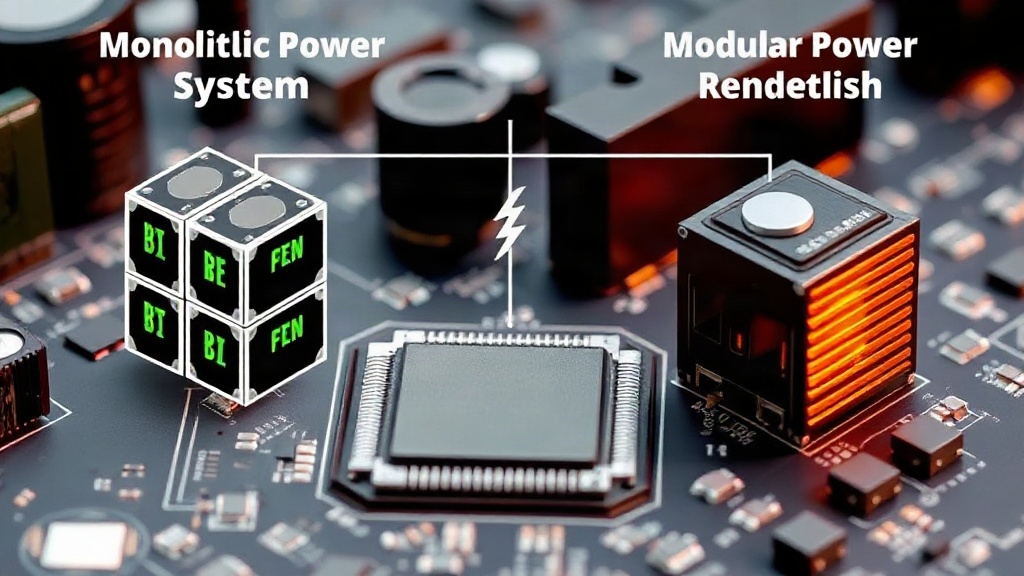
Sridhar recounts a past experience where a massive hypermarket project faced an existential threat due to a single-supplier dependency. The project's entire power infrastructure was designed around a single, large-scale power generation system. When this system encountered unforeseen issues – perhaps a manufacturing defect, a supply chain disruption, or an operational failure – the entire hypermarket’s operations ground to a halt. The consequences were severe: immense financial losses, reputational damage, and the very real possibility of the project being abandoned. It was a stark demonstration of how a singular point of failure can unravel even the most ambitious undertakings. The lesson learned was that true resilience comes from modularity and redundancy, not from betting the farm on one colossal component.
This experience deeply informed Sridhar’s approach at Bloom Energy. The company’s technology, often centered around fuel cells, is inherently designed for modularity. Instead of one giant power plant, Bloom Energy’s solutions can be scaled by adding more modular units. This distributed approach means that if one unit experiences an issue, the others can continue to operate, maintaining power to the facility. This philosophy is directly applicable to the unique demands of AI data centers, which require continuous, reliable power to train models, run inferences, and store vast amounts of data.
Why Monolithic Power Fails AI Data Centers
AI workloads are not just power-intensive; they are also highly sensitive to power interruptions. A brief outage can corrupt training runs that have taken weeks or months to complete, leading to significant time and resource wastage. Furthermore, the constant demand for electricity from AI clusters means that data centers are often operating at or near their maximum capacity. This leaves little to no buffer for unexpected events. Relying on a single, colossal turbine or power generation unit creates a bottleneck. If that single unit fails, the entire data center goes dark. The complexity and scale of modern AI operations mean that such a failure would be far more devastating than a typical IT outage.
The allure of a single, large-scale solution is understandable. It might appear simpler to manage and potentially more cost-effective upfront. However, this view overlooks the long-term operational risks and the true cost of downtime. The hypermarket example serves as a potent reminder that initial cost savings can be dwarfed by the potential for catastrophic failure. For AI data centers, which are becoming the backbone of a new technological era, this is an unacceptable gamble. The need for robust, resilient, and fault-tolerant power systems is paramount.
The Case for Modular Redundancy
Sridhar advocates for a modular, redundant power architecture. This approach involves deploying multiple, smaller power generation units that can operate in parallel. Think of it less like a single, massive engine and more like a fleet of smaller, interconnected engines. If one engine falters, the others pick up the slack, ensuring continuous operation. This is the principle of "never having one point of failure" that Sridhar’s former company championed.
For AI data centers, this translates to a power infrastructure that can scale incrementally and withstand component failures. Bloom Energy’s fuel cell technology, for instance, offers this modularity. Data center operators can deploy a certain number of units and then add more as their power needs grow, without compromising the overall system's resilience. This distributed model not only enhances reliability but also offers greater flexibility in site selection and deployment, as it doesn't require the massive, centralized infrastructure often associated with single, giant power sources. The surprising detail here is not the technical feasibility of modular power, but the apparent widespread omission of this critical design principle in the rush to build out AI infrastructure.
A Path Forward for Resilient AI Power
The path forward for powering AI data centers requires a fundamental shift in architectural thinking. Instead of seeking the biggest, most powerful single unit, operators must prioritize distributed, redundant, and modular power solutions. This approach ensures that the lights stay on, the models keep training, and the data keeps flowing, even when individual components encounter problems. The lessons from past infrastructure projects, like the hypermarket Sridhar mentioned, are invaluable. They highlight the dangers of single-supplier dependencies and underscore the importance of building resilience into the very foundation of these critical facilities.
As AI continues its relentless advance, the underlying infrastructure must be equally robust. The energy sector, and by extension data center operators, must embrace designs that are inherently fault-tolerant. This means moving away from the "one giant turbine" mentality and towards a more distributed, adaptable, and resilient power ecosystem. The future of AI depends on it.