The Imperative for AI Governance
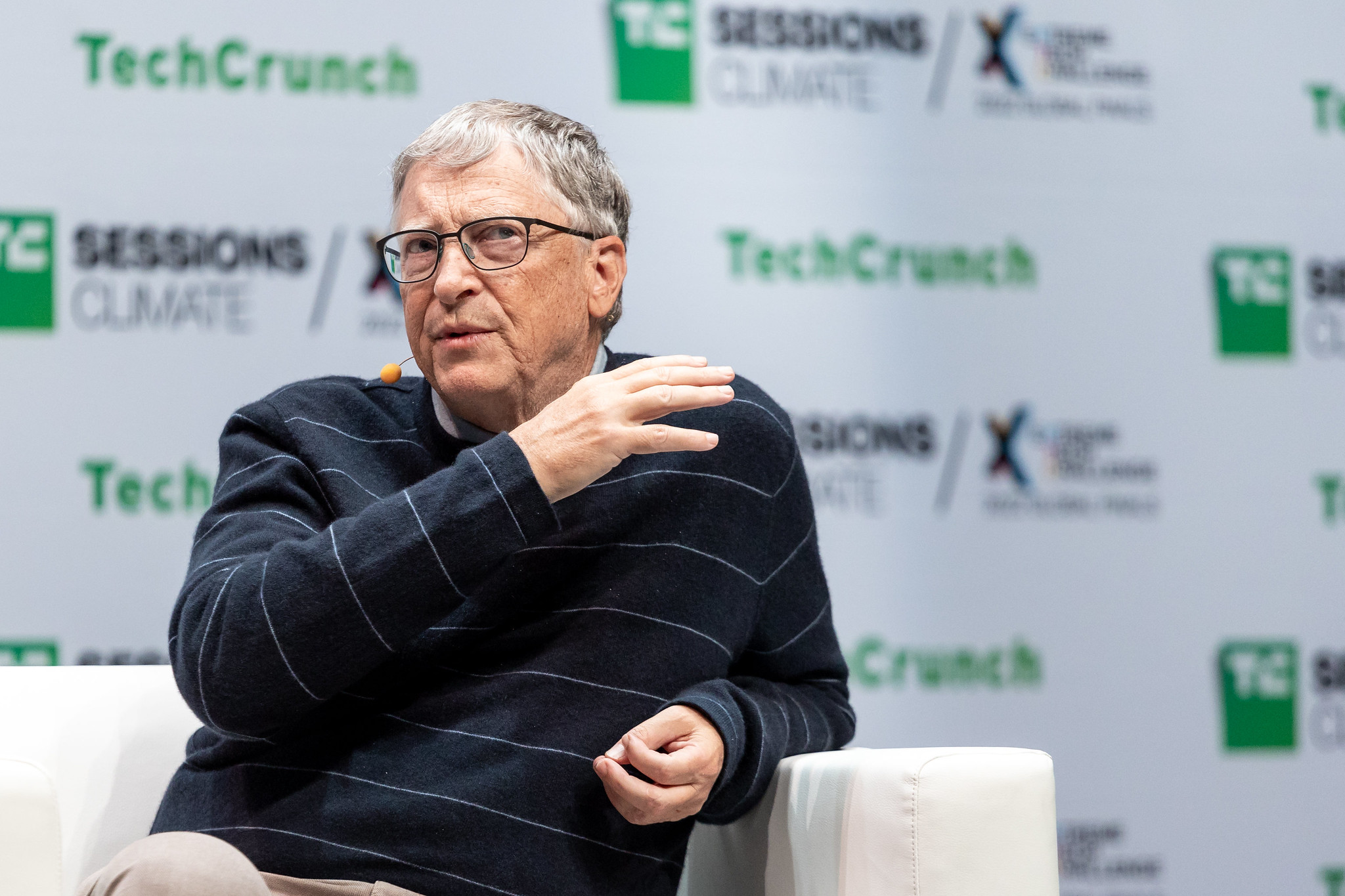
Bill Gates, a prominent figure in technology and philanthropy, has articulated a clear stance on the rapid advancement of artificial intelligence: it requires deliberate limitations and proactive governance. Speaking recently, Gates emphasized that as AI systems become more sophisticated and integrated into society, their potential for disruption, both positive and negative, necessitates a thoughtful approach to regulation. His perspective, detailed in recent discussions, moves beyond mere acknowledgment of AI's power to proposing concrete mechanisms for managing its evolution.
Gates' call for limits is not a rejection of AI's potential but a recognition of the profound societal shifts it is poised to enact. He likens the current moment to the early days of personal computing or the internet, periods where the transformative power was evident but the long-term implications were still largely unknown. This time, however, the pace of development is significantly faster, demanding a more immediate and strategic response to potential challenges. The core of his argument rests on the idea that unchecked AI development could exacerbate existing inequalities and create new forms of economic and social strain.

Proposing a 'Robot Tax'
One of the most striking proposals from Gates is the concept of a 'robot tax.' This idea is not entirely new, having been debated in various forms for years, but Gates is bringing renewed attention to it as a potential solution to AI-driven job displacement. The fundamental principle behind a robot tax is to impose a levy on companies that replace human workers with AI or automated systems. The revenue generated from such a tax could then be redirected to support displaced workers through retraining programs, social safety nets, or other forms of economic assistance.
The rationale is straightforward: as AI and robotics become more capable, they will inevitably automate tasks currently performed by humans. This automation, while potentially increasing productivity and efficiency for businesses, can lead to widespread unemployment and economic hardship for individuals and communities. A robot tax aims to internalize some of the societal costs of this automation, compelling businesses to consider the human impact of their technological investments. It could also provide a crucial funding stream for governments to adapt to a changing labor market, ensuring that the benefits of AI are shared more broadly rather than concentrated among a few.
However, implementing such a tax presents significant challenges. Defining what constitutes a 'robot' or an 'AI system' for taxation purposes is complex. Furthermore, there is a risk that a robot tax could stifle innovation or drive businesses to relocate to regions with less stringent regulations. Gates acknowledges these complexities but argues that the potential negative consequences of inaction—widespread joblessness and increased inequality—outweigh the implementation hurdles. The goal, he suggests, is not to halt automation but to guide it in a way that is more equitable and sustainable for the workforce.
'Human Reserved' Jobs and the Future of Work
Complementing the robot tax proposal, Gates also advocates for the concept of 'Human Reserved' jobs. This idea suggests that certain roles, particularly those requiring uniquely human skills such as empathy, creativity, complex problem-solving, and interpersonal interaction, should be explicitly preserved for human workers. The intention is to create a protected sphere of employment where human capabilities remain indispensable, even in an increasingly automated world.
This concept aims to address the qualitative changes AI will bring to the labor market, not just the quantitative reduction in jobs. While AI can perform many analytical and even creative tasks, it currently lacks the nuanced understanding, emotional intelligence, and ethical judgment that define many human professions. 'Human Reserved' jobs would encompass roles in caregiving, education, therapy, strategic leadership, and artistic endeavors where human connection and subjective experience are paramount. By identifying and safeguarding these roles, society can ensure that human workers continue to find meaningful and well-compensated employment.
The implementation of 'Human Reserved' jobs would require a concerted effort from policymakers, educational institutions, and industries. It would involve identifying the core skills that are intrinsically human and designing educational and training pathways to cultivate these abilities. It also implies a societal valuation of these skills, ensuring that professions centered on human interaction are adequately rewarded and respected. This approach seeks to build a symbiotic relationship between humans and AI, where each complements the other's strengths rather than solely competing.
Broader Implications and the Path Forward
Gates' proposals signal a growing consensus among influential figures that AI development cannot proceed without a robust ethical and economic framework. The call for limits, robot taxes, and reserved jobs reflects a pragmatic approach to managing a technology that promises immense benefits but also carries significant risks. These ideas are not about stifling progress but about shaping it to serve humanity's best interests, ensuring that the economic gains from AI are broadly distributed and that society can adapt to the inevitable transformations in the nature of work.
The challenge now lies in translating these high-level concepts into actionable policies. The global nature of AI development means that international cooperation will be essential. Establishing clear regulatory guidelines, developing fair taxation models, and fostering an education system that prepares individuals for the future of work are complex but necessary steps. As AI continues its relentless march, proactive and thoughtful governance, as championed by figures like Bill Gates, will be crucial in navigating the path ahead and ensuring a future where technology enhances, rather than diminishes, human well-being.