Securing Enterprise MCP Gateways
Machine Control Protocol (MCP) servers offer powerful capabilities for managing and interacting with systems, but their inherent flexibility also presents significant security risks, particularly in enterprise environments. Without proper governance, these servers can inadvertently expose production systems, leading to potential data leakage or unauthorized access. A new solution, Bifrost, aims to address these vulnerabilities by implementing robust security layers, including OAuth 2.0, Role-Based Access Control (RBAC), and deny-by-default tool filtering.
The core problem with unsecured MCP servers is the direct pathway they can provide to sensitive production systems. Imagine a scenario where a new team member, perhaps still learning the ropes, connects an MCP server from their local development machine. If that server is configured with broad permissions, it could grant unintended access to the production database. This isn't a hypothetical risk; it's a realistic path to a data breach if adequate guardrails aren't in place.
Bifrost tackles this challenge by introducing a multi-layered security approach designed to provide granular control and oversight over MCP tool execution. This system operates on three primary principles: human-in-the-loop execution, a deny-by-default filtering mechanism, and comprehensive governance features.
Human-in-the-Loop Execution
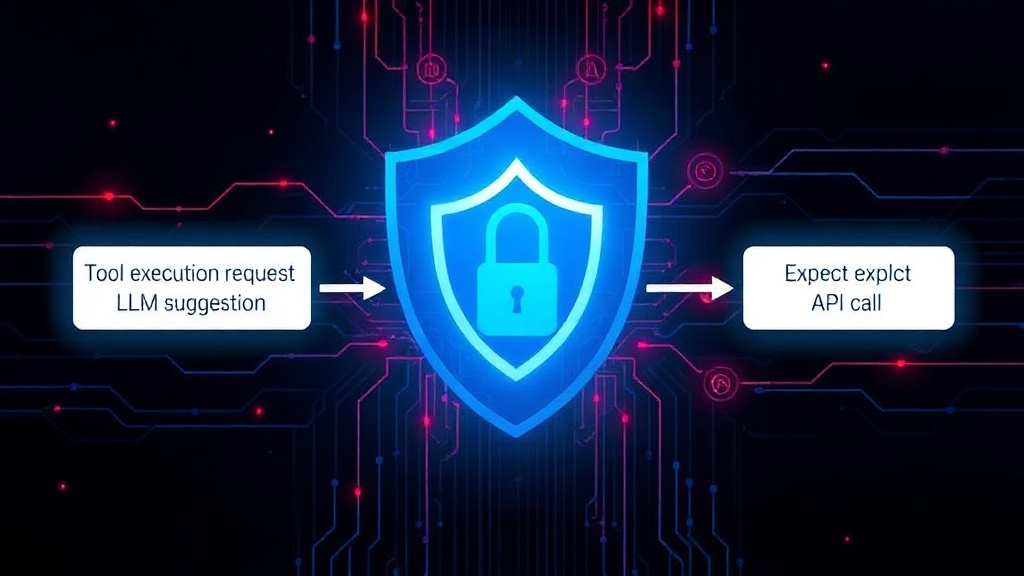
One of the most critical security features Bifrost offers is its emphasis on human oversight for tool execution. Unlike systems that might allow an AI or a script to directly trigger any available tool based on a prompt, Bifrost introduces a mandatory review step. The Large Language Model (LLM) or the system's intelligence component can suggest a tool to be executed, but it does not have the authority to initiate the action autonomously. Instead, the execution request is passed to the application, which then explicitly calls the POST /v1/mcp/tool/execute endpoint. This ensures that every tool execution is a deliberate action, reviewed and confirmed by a human or a pre-approved automated workflow, significantly reducing the risk of accidental or malicious tool invocation.
This approach acts as a crucial safeguard. It's akin to a pilot requesting clearance from air traffic control before initiating a takeoff. The system can suggest the best runway and time, but the final decision and command to move rest with the human operator, preventing premature or incorrect actions.
Deny-by-Default Tool Filtering
Complementing the human-in-the-loop execution is Bifrost's robust tool filtering mechanism, which operates on a strict deny-by-default principle. This means that any client or user attempting to access MCP tools is denied access unless they have been explicitly granted permission. A new virtual key, for instance, would initially have no associated mcp_configs, effectively meaning it has access to zero MCP tools. Any unlisted clients are implicitly blocked from accessing any functionality. This policy is foundational to preventing unauthorized access and limiting the potential blast radius of any compromised credentials or misconfigured systems.
This strategy is like a high-security building where every door is locked by default. An individual must present a specific, authorized keycard for each door they need to access. Without that explicit permission for a particular door, they cannot enter, regardless of whether they have access to other parts of the building. This granular control ensures that access is always intentional and permissible.
Comprehensive Governance Features
For enterprises requiring a higher level of control and accountability, Bifrost offers optional, yet powerful, governance features. These include Role-Based Access Control (RBAC), Single Sign-On (SSO) integration, detailed audit logs, and the ability to define MCP Tool Groups. RBAC allows administrators to assign specific roles to users, and each role can be granted permissions to use only certain MCP tools or execute them under particular conditions. SSO streamlines user authentication by integrating with existing identity providers, ensuring that users are who they claim to be. Audit logs provide an immutable record of all tool executions, including who initiated them, when, and what actions were taken, which is invaluable for security investigations and compliance. MCP Tool Groups enable administrators to bundle related tools together, simplifying permission management by assigning access to groups of tools rather than individual ones. These features collectively build a strong governance framework around MCP operations, ensuring that access is not only controlled but also auditable and manageable at scale.
The integration of these security and governance features transforms MCP servers from potential liabilities into secure, manageable components of an enterprise's technology stack. By prioritizing explicit authorization, human review, and strict access controls, Bifrost provides a much-needed layer of protection for sensitive production environments.