
The Tyranny of the Text Box
For most users, interacting with artificial intelligence means typing commands into a text box. This familiar interface, a digital descendant of the command line, has become the de facto standard for everything from chatbots to sophisticated AI models. While effective for simple queries and commands, this text-centric approach fundamentally limits the richness and intuitiveness of human-AI collaboration. It assumes a shared understanding of language that can be brittle and prone to misinterpretation. The AI assistant, in this paradigm, is a silent, disembodied entity waiting for instructions, rather than a dynamic partner.
Oleksii Hrzhehorzhevskyi, in his exploration for Smashing Magazine, challenges this status quo. He argues that the future of AI interaction lies not in refining the text box, but in thinking outside of it. This isn't about simply adding more complex natural language processing; it's about fundamentally rethinking the interface and the nature of the interaction itself. The current model is akin to having a conversation with a highly knowledgeable but visually impaired person who can only process spoken words. We miss out on the vast potential of non-verbal cues, visual feedback, and spatial understanding.
Designing for Multimodal Understanding
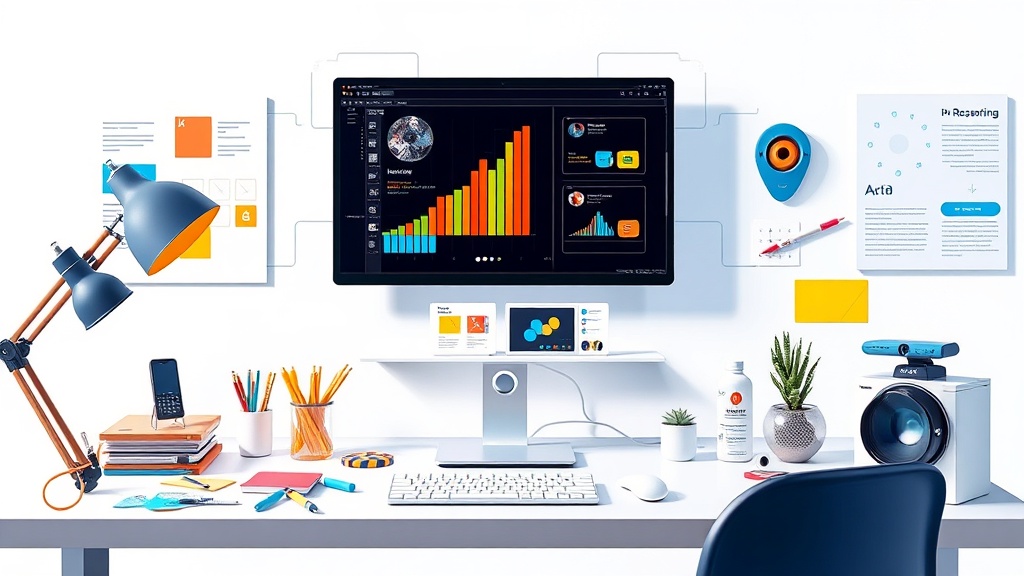
The core of Hrzhehorzhevskyi's argument rests on the idea of multimodal interaction. AI, like humans, can process information from various senses. Why, then, are most AI interfaces limited to just one input channel? Designers have an opportunity to move beyond the text box by considering how AI can understand and respond to visual information, gestures, and even spatial context. Imagine an AI assistant that can interpret a screenshot you share, understand a diagram you sketch, or even react to your physical environment through a camera feed. This shift moves AI from a tool that processes information to a partner that can perceive and collaborate within a shared context.
This paradigm shift requires designers to consider a broader spectrum of interaction patterns. Instead of just mapping user intent to text commands, designers must think about how users can provide input through drawing, pointing, selecting elements on a screen, or even arranging virtual objects. The AI's output should also become more dynamic. Instead of a block of text, it could generate visual aids, highlight relevant areas on an interface, or even offer interactive elements that users can manipulate directly. This creates a more fluid, responsive, and ultimately, more natural way to work with AI.
Beyond Assistance: Towards AI Companionship
The implications of moving beyond the text box extend to the very nature of AI's role. When AI can engage in richer, multimodal interactions, it can transition from being a mere assistant to becoming a true collaborator or even a companion. Think about an AI that helps you design a website. Instead of describing layouts and color schemes with words, you could sketch a wireframe, drag and drop elements, and have the AI provide real-time visual feedback and suggestions. The AI isn't just executing commands; it's actively participating in the creative process, understanding your visual language.
This also opens up new avenues for AI personalization. An AI that learns your preferred visual styles, your typical workflows, and your common spatial arrangements can offer more tailored and proactive support. It can anticipate your needs based on how you interact with it visually and spatially, not just on explicit instructions. This is particularly relevant for creative professionals, data scientists, and developers who often work with complex visual or spatial data. For instance, an AI could help a data scientist explore a complex dataset by allowing them to visually segment data points or highlight correlations on a graph, receiving dynamic visual updates from the AI in return.
Navigating the Evolving Landscape
As AI continues its rapid integration into our digital lives, designers are at the forefront of shaping these new interaction paradigms. The challenge is not just to build more powerful AI models, but to build interfaces that allow humans and AI to collaborate effectively and intuitively. This means embracing a human-centered design approach that prioritizes understanding, context, and a seamless flow of information, regardless of modality.
The transition from text-centric AI to multimodal AI is not an overnight process. It requires a fundamental rethinking of user experience design principles, the development of new UI patterns, and a deeper understanding of how humans naturally communicate and collaborate. Companies that invest in exploring these alternative interaction models will likely create AI assistants that are not only more powerful but also more engaging and indispensable. The text box has served its purpose, but the future of AI interaction is undeniably richer, more visual, and more collaborative.
What remains to be seen is how quickly established platforms will adapt. The inertia of existing user habits and the technical complexity of implementing robust multimodal interfaces present significant hurdles. Developers and designers who start experimenting with these concepts now will be well-positioned to lead this next wave of AI interaction.