The Problem with Legacy Student Calculators
Students often face frustrating experiences when using online academic tools. Legacy calculator sites, typically burdened by intrusive ads and popups, disrupt the user experience. These ads can shift page layouts, making it difficult to input data or read results. Furthermore, features like timers and countdowns suffer from "tab-throttling bugs," where they lose synchronization and lag when a user switches browser tabs. Perhaps most critically, these sites often raise data privacy concerns by sending sensitive information like grades and course names to server-side backends. This creates a need for a more reliable, private, and performant solution.
ScholarKit: A Zero-Server Static Architecture
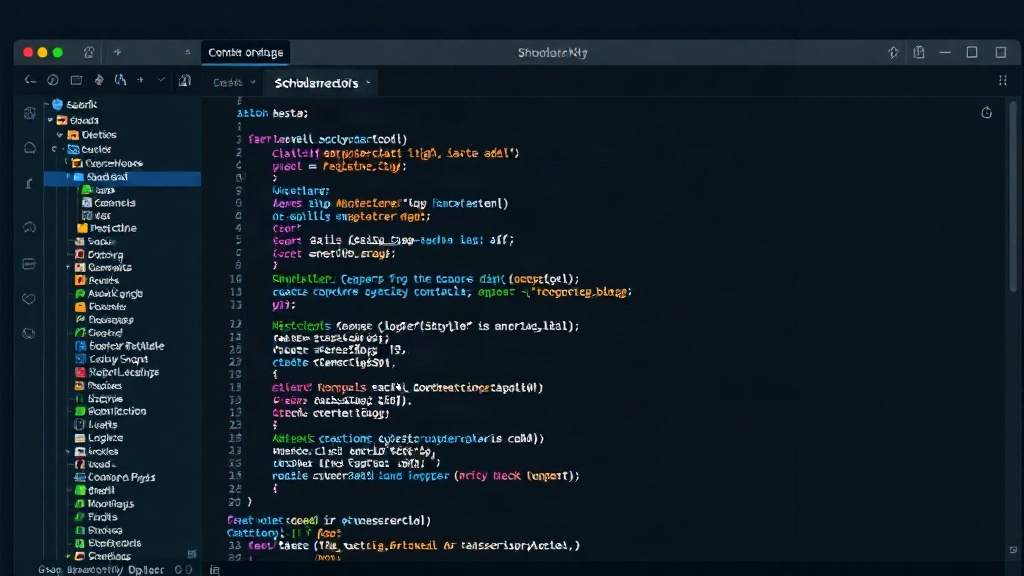
To address these issues, ScholarKit was developed as an open-source, client-side academic utility engine. The core architectural decision was to adopt a zero-server static architecture. This means all computation and rendering happen directly in the user's browser, eliminating the need for a traditional backend server. This approach inherently solves the problems of intrusive ads and tab-throttling bugs, as there are no server-side processes to interrupt or lag. More importantly, it ensures robust data privacy by keeping all calculations and user data on the client.
The choice of Astro as the static site generator was deliberate. Astro excels at building fast, content-focused websites by shipping minimal JavaScript by default. Its island architecture allows for interactive components to be selectively hydrated, ensuring that only necessary JavaScript is loaded for specific features. This aligns perfectly with the goal of a high-performance, client-side application.
Edge Hosting with Cloudflare Pages
Hosting ScholarKit on the edge is crucial for its performance and accessibility. Cloudflare Pages was selected for its ability to deploy static sites directly from Git repositories and serve them globally from Cloudflare's distributed edge network. This provides low latency for users worldwide, as the site is served from a data center geographically closer to them.
Cloudflare Pages also offers features like custom domains, SSL certificates, and CI/CD integration, simplifying the deployment and management process. By leveraging the edge, ScholarKit ensures that students can access their academic tools quickly and reliably, regardless of their location.
Engineering Decisions and Lessons Learned
Several key engineering decisions contributed to ScholarKit's success. The primary focus was on keeping everything client-side. This involved writing JavaScript logic for all calculators, such as CGPA calculators, attendance cutoff estimators, and GPA converters. For more complex computations, Web Workers were employed to prevent the main thread from freezing, ensuring a smooth user experience even during intensive calculations.
State management was handled using Astro's built-in client-side JavaScript capabilities and the browser's local storage for persistent settings, further reinforcing the client-side-only philosophy. The project's open-source nature, hosted on GitHub, allows for community contributions and transparency.
One significant lesson learned is the importance of thorough testing across different browsers and devices. While the client-side approach simplifies many aspects, ensuring consistent behavior everywhere requires diligent QA. Another lesson is the power of static site generators like Astro combined with edge hosting platforms like Cloudflare Pages for building modern, performant, and privacy-focused web applications. The ability to iterate quickly and deploy globally without managing servers is a significant advantage for projects like ScholarKit.
The project demonstrates that it's possible to build powerful, interactive web applications without traditional backend infrastructure, offering a compelling alternative for developers prioritizing performance, privacy, and cost-efficiency. ScholarKit serves as a practical example of how modern web technologies can be combined to create valuable tools that directly benefit users by providing a clean, fast, and secure experience.
The architecture is designed to be extensible. New academic tools can be added as Astro components, ensuring that ScholarKit can grow to meet a wider range of student needs. The emphasis remains on client-side execution and edge delivery, maintaining the project's core principles.