%22%20%2F%3E%0A%20%20%3C%2Fsvg%3E)
Whispers of the RX 9050 Emerge from ASRock Listings
The landscape of PC graphics hardware is rarely static, with manufacturers constantly iterating on architectures and product stacks. For 2026, AMD's RDNA 4 architecture is expected to power a new generation of Radeon GPUs. While high-end offerings like the rumored RX 9080 and RX 9070 have garnered significant attention, recent activity from ASRock has cast a spotlight on the budget segment. The company briefly published product pages for the Radeon RX 9050, a card that, if accurate, signals a surprising potential return to 4GB of VRAM for mainstream gaming hardware.
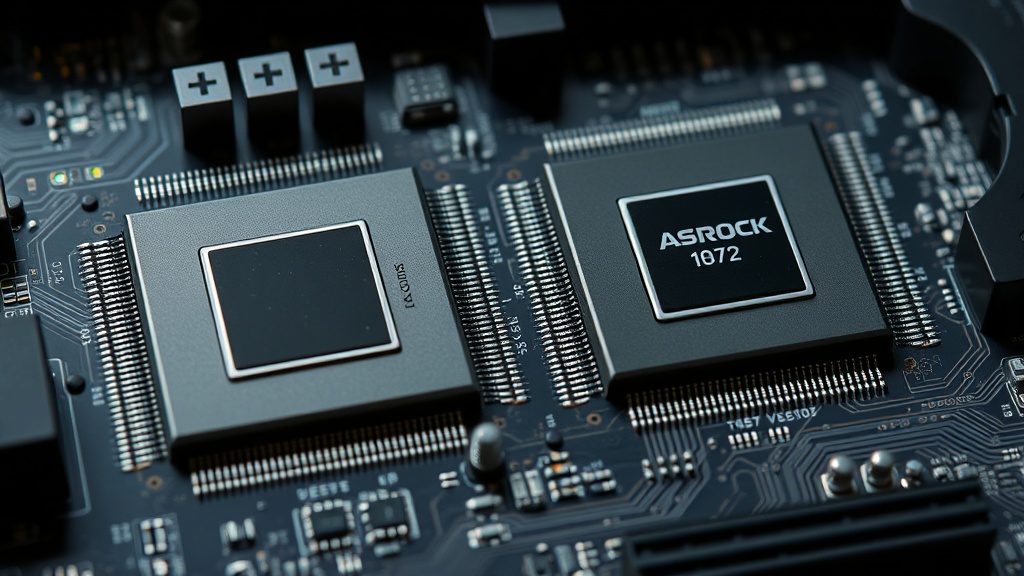
These now-deleted listings, first reported by Tom's Hardware, provided a glimpse into AMD's potential strategy for its entry-level RDNA 4 lineup. The RX 9050 was reportedly shown in two configurations: one with a modest 4GB of GDDR6 memory and another with 8GB. The inclusion of a 4GB card in 2026 is particularly noteworthy. For years, 4GB has been considered the bare minimum for playable modern titles, often leading to texture pop-in and reduced performance in demanding games. Its potential reappearance suggests a deliberate market segmentation strategy, likely targeting the absolute lowest price points for new GPU purchases.
The ASRock listings also provided a tantalizing hint about the card's performance characteristics. The 8GB variant of the RX 9050 was described as having approximately half the power draw of a hypothetical RX 9060. This suggests a significant focus on power efficiency for AMD's lower-tier RDNA 4 offerings. Such a move would be crucial for maintaining lower manufacturing costs and thermal envelopes, making the cards suitable for a wider range of pre-built systems and compact gaming rigs.
RDNA 4 Architecture and the Budget Segment
AMD's RDNA 4 architecture, expected to debut in 2025 or 2026, is the foundation upon which these new cards would be built. While specific architectural details remain scarce, RDNA 4 is anticipated to bring incremental improvements in performance-per-watt and feature sets over RDNA 3. For the budget segment, the key would be leveraging RDNA 4's efficiency to deliver viable gaming experiences at an accessible price point. The RX 9050, in its potential 4GB guise, would likely target e-sports titles and older games where 4GB of VRAM is still sufficient. It could serve as a successor to cards like the RX 6500 XT, which also faced criticism for its limited VRAM and narrow memory bus.
The 8GB variant offers a more conventional upgrade path. With 8GB of VRAM, the RX 9050 would be better positioned to handle more modern titles at 1080p resolution, albeit likely at medium to high settings depending on the game. The information about its power draw being half that of an RX 9060 is particularly telling. It implies a tiered approach within the RDNA 4 lineup, where the RX 9060 might represent a mid-range offering, and the RX 9050 sits firmly in the entry-level performance category. This power efficiency could also translate to lower heat output, simplifying cooling solutions and further reducing manufacturing costs.
The surprise here is not the existence of a budget RDNA 4 card, but the explicit mention of a 4GB VRAM configuration for a 2026 product. In an era where even mainstream cards often ship with 8GB or 12GB, a 4GB offering feels like a step back. However, AMD has historically catered to various market segments, and a 4GB card could be strategically positioned to undercut competitors on price, making PC gaming accessible to an even wider audience. It's a gamble that could pay off if the price is right and the performance, while limited, is still acceptable for its target demographic.
Market Implications and User Considerations
If AMD does indeed release a 4GB RX 9050 in 2026, it will undoubtedly spark debate among PC builders and enthusiasts. For developers targeting a wide audience, this might necessitate continuing optimization for lower VRAM capacities. For gamers on a strict budget, it could represent their first entry into PC gaming with a new, albeit limited, piece of hardware. The 8GB variant, on the other hand, offers a more balanced proposition, providing a competent 1080p gaming experience without demanding excessive power.
The decision to offer a 4GB card in 2026 is a clear signal about AMD's pricing strategy for its RDNA 4 entry-level GPUs. It suggests a focus on achieving the lowest possible MSRP, potentially below $150 USD. This would put it in direct competition with NVIDIA's lowest-tier offerings, should they also continue to push budget-conscious hardware. The trade-off, however, is clear: performance and future-proofing will be significantly compromised. Users considering such a card would need to temper their expectations, understanding that it's primarily suited for older titles, esports, and less demanding modern games at lower settings.
The broader context for this is AMD's ongoing effort to capture market share across all segments. By offering a 4GB card, they aim to attract a demographic that might otherwise be priced out of new hardware. The 8GB version would then capture the slightly more discerning budget buyer. This dual-pronged approach allows AMD to maximize its reach within the entry-level GPU market. For consumers, it means more choice, but also a critical need to understand the limitations of 4GB VRAM in the current and future gaming landscape. It raises the question: in 2026, can 4GB of VRAM truly be enough for any meaningful gaming experience?
The deleted ASRock listings, while temporary, serve as a valuable indicator of AMD's product planning. The company likely aims to offer competitive options at every price point, and the RX 9050, in its various forms, is poised to be a key player in the budget GPU market for the next generation of gaming hardware. Whether the 4GB variant finds its niche or becomes a footnote in GPU history will depend heavily on its final pricing and the evolving demands of PC games.