
Massive Chip Inventory Awaiting Assembly
Apple faces an unusual bottleneck in its iPhone 18 Pro production, with an estimated $1 billion worth of advanced processor chips sitting idle. These cutting-edge processors, destined for the company's flagship devices, are reportedly complete in terms of their core silicon fabrication but are awaiting a crucial step: packaging. The delay stems from a significant shortage of Dynamic Random-Access Memory (DRAM) chips, essential components that enable the processors to function at peak performance and store temporary data. Without sufficient DRAM supply, these high-value chips cannot be integrated into the final iPhone units, creating a substantial inventory pile-up and potentially impacting launch timelines.
This situation highlights the intricate and often fragile nature of global semiconductor supply chains. While Apple typically commands immense leverage with its suppliers, even its scale cannot entirely circumvent fundamental market imbalances. The DRAM market, a critical segment of the broader memory industry, has been experiencing tightness due to a combination of factors including increased demand from AI servers, automotive applications, and general consumer electronics, coupled with production capacity constraints at major memory manufacturers. The iPhone 18 Pro, with its sophisticated processing demands, requires a substantial quantity of high-performance DRAM, making it particularly susceptible to these supply constraints.
The Impact of DRAM Shortages on High-End Devices
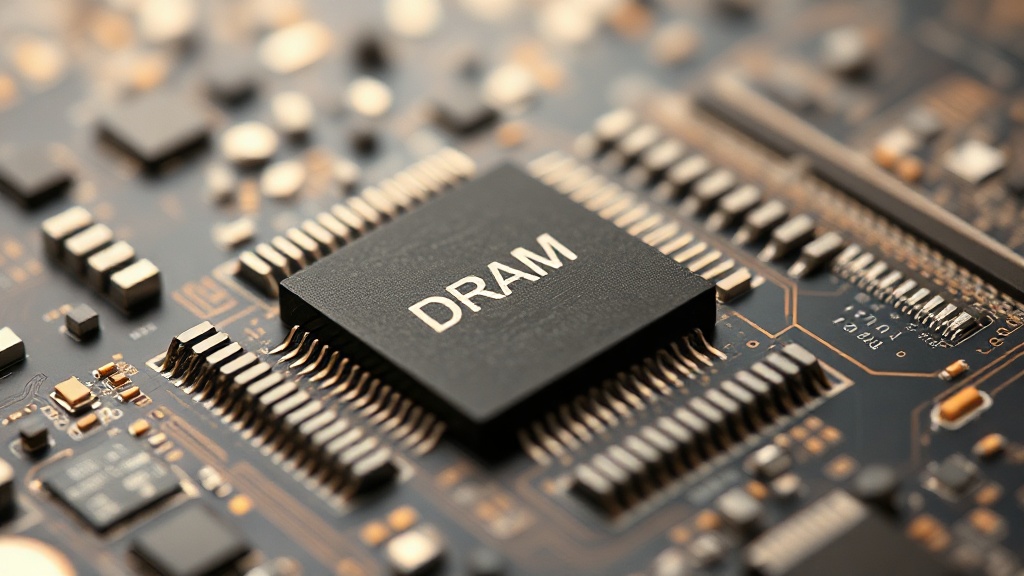
DRAM is the workhorse of modern computing, acting as the short-term memory for processors. It's where active applications and operating system data reside, allowing for rapid access and processing. For a device as powerful as the iPhone 18 Pro, which is expected to feature advanced AI capabilities, complex camera systems, and demanding graphical performance, the amount and speed of DRAM are paramount. A shortage of these components doesn't just mean fewer iPhones can be built; it can also force manufacturers to consider alternative, potentially lower-specification DRAM, which could compromise the performance promised to consumers for the premium device. This stockpiling of processors is a stark visual representation of a supply chain issue that extends beyond mere component availability, touching on the very ability to assemble and deliver finished goods.
The sheer value of the stalled inventory – $1 billion – underscores the scale of the problem. This isn't a minor hiccup; it represents a significant portion of the production pipeline for what is arguably Apple's most important product line. The delays could ripple through Apple's financial reporting, impacting revenue forecasts and potentially affecting market sentiment if the issue is not resolved swiftly. Furthermore, it raises questions about the strategic sourcing and inventory management practices of even the most sophisticated supply chain operators in the world.
Broader Market Implications and Future Outlook
This situation is not isolated to Apple. The broader semiconductor industry has been navigating volatile supply and demand dynamics for several years. While the global chip shortage of a few years ago has largely subsided for many types of chips, specific segments like high-bandwidth DRAM continue to face pressure. The increasing demand for memory from data centers powering AI workloads is a significant factor, diverting capacity and resources that might otherwise be available for consumer electronics. Companies like Samsung, SK Hynix, and Micron, the primary DRAM manufacturers, are investing heavily in expanding capacity, but these expansions take time to come online and ramp up to full production.
For Apple, the immediate challenge is to secure sufficient DRAM supply to meet its production targets for the iPhone 18 Pro. This might involve accelerating existing contracts, exploring secondary suppliers, or even re-evaluating the Bill of Materials (BOM) for the device if the shortage proves intractable. The company's ability to navigate this challenge will be a critical test of its supply chain resilience. The surprising detail here is not that a shortage exists, but that such a significant volume of high-value, completed processors are sitting idle, a testament to how critical even a single component like DRAM can be in the final assembly process. This level of inventory blockage is a rare occurrence for a company with Apple's logistical prowess.
Looking ahead, this incident serves as a potent reminder for all technology companies about the need for diversified sourcing strategies and robust demand forecasting. The reliance on a few key suppliers for critical components, combined with the unpredictable nature of global demand and production, creates inherent risks. As the industry pushes towards more powerful and memory-intensive applications, particularly in AI and extended reality, the demand for advanced DRAM is only set to increase. Companies that can secure stable, high-quality memory supply chains will undoubtedly gain a competitive advantage.
What nobody has addressed yet is the potential downstream impact on developers and the app ecosystem if the iPhone 18 Pro launch is significantly delayed or if the devices ship with slightly reduced memory configurations. Developers often optimize for the latest hardware, and any deviation from expected performance benchmarks could necessitate adjustments to their applications, impacting user experience and the adoption of new software features.