
The Silent Listener: Siri Recaps on Apple Watch
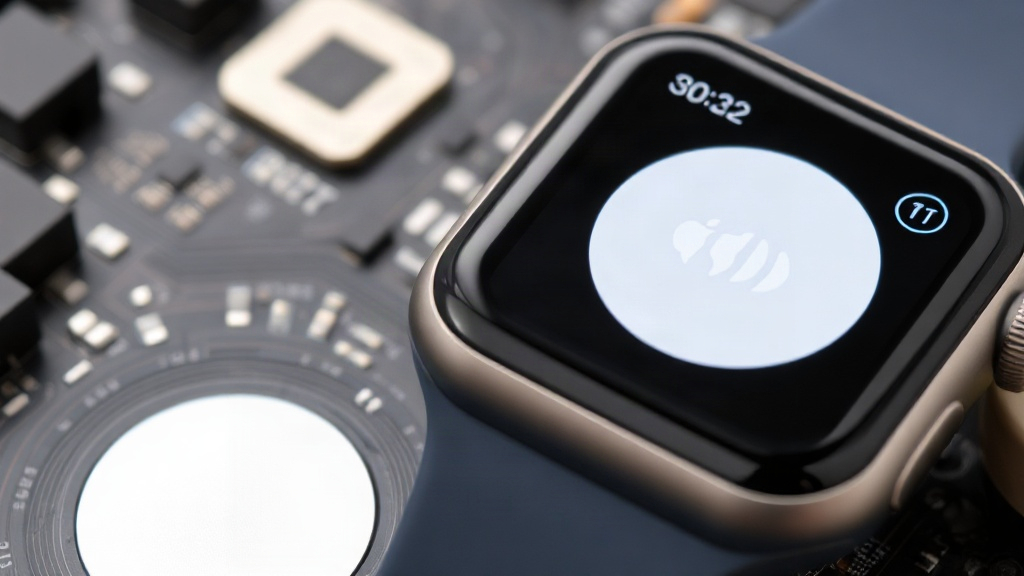
Apple's latest iteration of its smartwatch, particularly with the introduction of Siri Recaps, has quietly shifted the device's operational paradigm. The feature, designed to provide users with summaries of their day, notifications, and reminders, necessitates a constant state of audio capture. This means the Apple Watch is, in essence, always listening, processing ambient sound to identify cues for its recap function. While the convenience of a voice-activated, context-aware summary is undeniable, this persistent audio monitoring treads a fine line with user privacy, potentially inviting scrutiny similar to that faced by other wearable devices with continuous sensing capabilities.
The technical underpinnings of Siri Recaps are not explicitly detailed by Apple, but the functionality implies sophisticated on-device audio processing. Unlike previous iterations of Siri, which typically required a "Hey Siri" wake word or a button press to initiate listening, Siri Recaps appears to be more proactive. It suggests that the watch is continuously analyzing audio streams, looking for specific patterns or keywords that indicate a need for a recap. This is a significant departure from a purely on-demand interaction model. The implications are far-reaching for how users perceive and interact with their wearable technology, moving from a tool that responds to explicit commands to one that anticipates needs based on continuous environmental awareness.
Consider this less like a voice assistant waiting for a command, and more like a diligent personal assistant who is always present, taking notes on everything that happens around you. This constant vigilance, while potentially useful for generating comprehensive daily summaries, opens up a Pandora's Box of privacy questions. What data is being processed? Where is it stored? How is it secured? And critically, who has access to it? Apple has a strong reputation for privacy, but the nature of continuous audio capture on a device worn so intimately raises the stakes considerably.
Echoes of Past Controversies
The constant listening capability of the Apple Watch with Siri Recaps inevitably draws parallels to controversies surrounding other always-on sensing technologies. Meta's Ray-Ban Stories smart glasses, for instance, faced significant backlash due to their integrated cameras and microphones, which users and privacy advocates feared could be used for surreptitious recording. While Apple insists on-device processing and robust privacy controls, the perception of being constantly monitored can be a powerful deterrent for adoption and can erode trust, regardless of technical safeguards.
This isn't a new fear. Smart home devices, from smart speakers to security cameras, have long been under a microscope for their listening capabilities. The difference with the Apple Watch is its personal, always-worn nature. It's not a device in a fixed location; it moves with the user throughout their day, in private homes, public spaces, and sensitive environments. The potential for accidental or even intentional misuse of continuous audio data is amplified by its portability and personal attachment.
What nobody has adequately addressed yet is the psychological impact of knowing your primary wearable device is perpetually processing your auditory environment. Does it change user behavior? Does it foster a sense of unease, even if the data is theoretically secure and anonymized? The line between helpful ambient intelligence and intrusive surveillance is thin, and Apple's implementation of Siri Recaps may be pushing closer to that boundary than many realize.
Technical Safeguards and User Control
Apple has historically emphasized on-device processing for many of its AI features, including those on the iPhone and iPad, to enhance privacy. This approach minimizes the need to send sensitive data to external servers. For Siri Recaps, it's highly probable that the initial audio analysis and identification of relevant information occur directly on the Apple Watch itself. This would mean raw audio data isn't being streamed to Apple's cloud for processing in real-time, a crucial distinction for privacy-conscious users.
Furthermore, Apple typically provides granular controls over microphone access and data usage for its applications and features. Users can usually disable Siri entirely, or restrict its access to specific functions. With Siri Recaps, it is expected that Apple will offer clear opt-in mechanisms and the ability to disable the feature, or at least its continuous listening component, through the Watch's settings. The clarity and accessibility of these controls will be paramount in mitigating potential privacy concerns. If users can easily understand and manage what their watch is listening to, the risk of a widespread backlash diminishes significantly.
The success of Siri Recaps will hinge on Apple's ability to balance innovative functionality with an unwavering commitment to user privacy. Transparency about data handling, clear user controls, and a robust technical architecture that prioritizes on-device processing are essential. The company's track record in privacy is a strong asset, but the nature of this feature demands exceptionally high standards of execution and communication to avoid repeating the missteps of other tech giants.
The Road Ahead: Convenience vs. Privacy
The introduction of Siri Recaps on the Apple Watch represents a significant step in the evolution of wearable AI. It moves beyond reactive voice commands to a more proactive, ambient intelligence model. The potential for seamless daily summaries, intelligent reminders, and context-aware assistance is immense. However, this convenience comes at the cost of continuous audio monitoring, a feature that will undoubtedly be scrutinized by users, privacy advocates, and regulators alike.
Apple's challenge is to prove that its privacy-preserving technologies and user controls are sufficient to alleviate concerns about constant listening. The company has the opportunity to set a new standard for ambient AI in wearables, but it must do so with utmost care and transparency. The tech industry has learned hard lessons from past privacy missteps; the Apple Watch's Siri Recaps will be a critical test case for how far personal devices can go in listening to our lives before users decide the cost is too high.