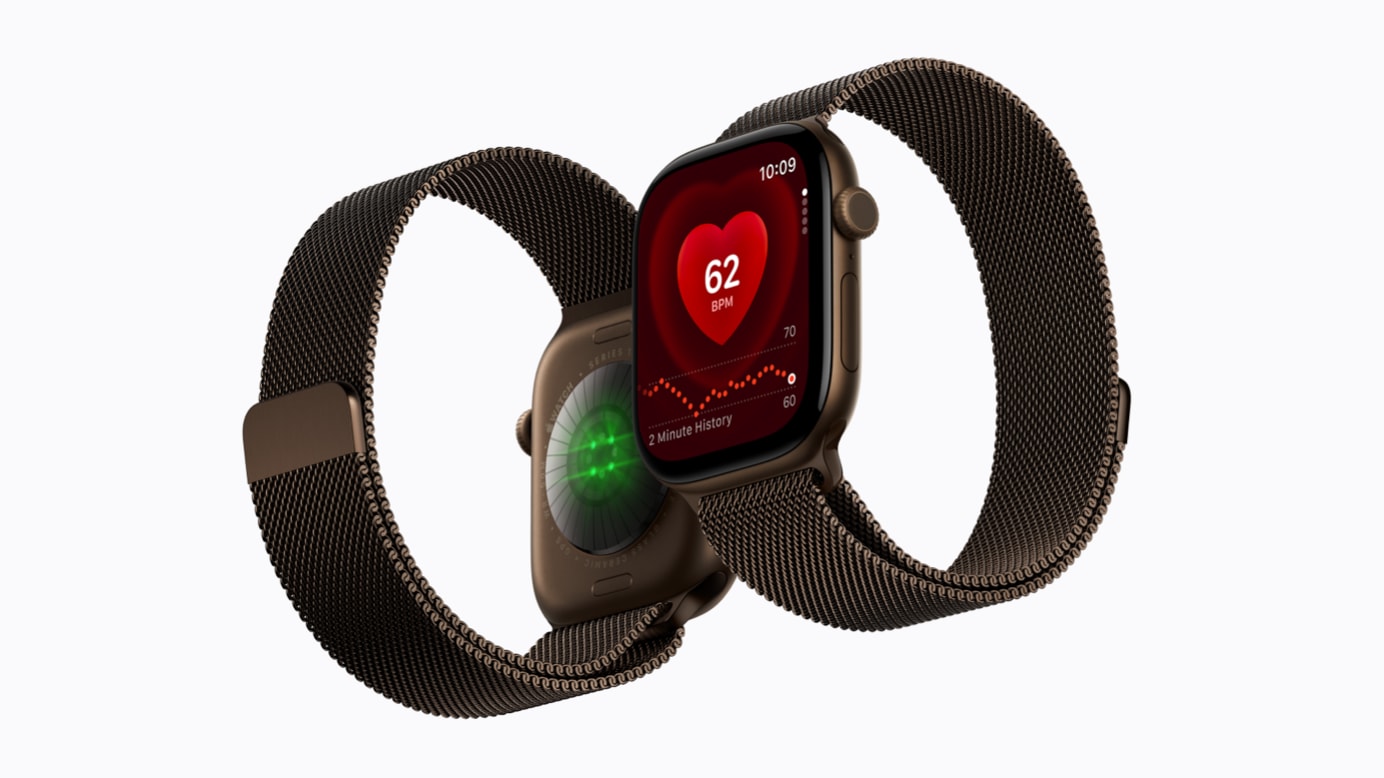
Apple Watch Series 12 Introduces Audio Intelligence
Apple is integrating a suite of new "Audio Intelligence" features into its latest smartwatches, the Apple Watch Series 12 and Watch Ultra 4. These features aim to leverage on-device AI to provide users with summaries and insights from their daily audio interactions. The move signals Apple's continued push into AI-powered wearables, seeking to offer tangible benefits beyond health tracking and notifications.
At the core of these new capabilities is the processing of raw audio data directly on the S11 chip within the Watch's Secure Enclave. Apple emphasizes that this audio is processed locally and immediately deleted, addressing potential privacy concerns inherent in recording and analyzing conversations. This on-device processing is a key differentiator, aiming to build user trust in a landscape where data privacy is paramount.
Key Audio Intelligence Features Detailed
The Audio Intelligence suite comprises several distinct functionalities:
- Sound Recognition: This existing feature, enhanced by the new chip, continues to identify important sounds like alarms or doorbells, alerting users.
- Live Rewind: This is one of the headline new features. If enabled, Live Rewind captures the last 15 seconds of audio and transcribes it into a text snippet. This is designed for moments when a user might miss a crucial detail in a conversation. A full-screen indicator and an audible chime will alert users when Live Rewind is active, providing a visual and auditory cue that recording is in progress.
- Siri Recap: This feature aims to provide high-level summaries of conversations or events. While the specifics of what constitutes a "high-level summary" are still being defined, it suggests an ability for Siri to distill key points from audio input.
- Shazam Integration: While not strictly an "audio intelligence" feature in the conversational sense, the inclusion of Shazam functionality on the watch allows users to identify music playing around them directly from their wrist.
Apple states that Live Rewind and Siri Recap are opt-in beta features scheduled for release later this year. They will require an iPhone 16 or later model equipped with Apple Intelligence capabilities. Notably, these features will not be available in the European Union at launch, likely due to regulatory considerations surrounding AI and data processing.
Privacy and Limitations
Apple is keenly aware of the privacy implications associated with any feature that records or analyzes audio. The company has gone to lengths to highlight its privacy-first approach. Raw audio is processed in the S11 chip's Secure Enclave and is immediately deleted after processing. Crucially, Apple asserts that the Audio Intelligence features do not store audio data or identify individual speakers. The prominent visual and auditory cues for Live Rewind are intended to ensure transparency during its operation.
However, the beta nature of Live Rewind and Siri Recap means users should expect potential issues and evolving functionality. Furthermore, Apple has indicated that some server-backed features will have daily usage limits. This approach might be a safeguard against abuse or a way to manage computational resources, but it could also limit the utility of these features for power users or in extended conversational settings.
For professional environments, where conversations might involve sensitive information or require strict consent protocols, the effectiveness and ethical use of these features will be a significant consideration. The quality of the summaries and the clarity of the consent mechanisms will be paramount for adoption in work-related contexts. The presence of visible cues is a positive step, but the actual implementation and user experience will determine their success.
Broader Implications for Wearables and AI
The introduction of Audio Intelligence on the Apple Watch places it directly in competition with other AI-focused wearables and smart devices. While other platforms have explored voice assistants and limited audio processing, Apple's emphasis on on-device processing and privacy-centric features could set a new standard. The ability to recap conversations or distill information from ambient audio directly on a wearable device opens up new use cases, potentially enhancing productivity and memory assistance.
This move also underscores the trend of embedding more sophisticated AI capabilities into edge devices. As chips become more powerful and efficient, the ability to perform complex AI tasks locally, rather than relying solely on cloud processing, offers benefits in terms of speed, latency, and privacy. For developers, this presents opportunities to build applications that leverage these new on-device audio processing capabilities, creating more intelligent and responsive wearable experiences.
The success of these features will depend on their reliability, the accuracy of the transcriptions and summaries, and user adoption. If Apple can deliver on its privacy promises and provide genuinely useful AI-driven insights from audio, it could significantly enhance the value proposition of the Apple Watch and pave the way for even more advanced AI integrations in future wearable technology.