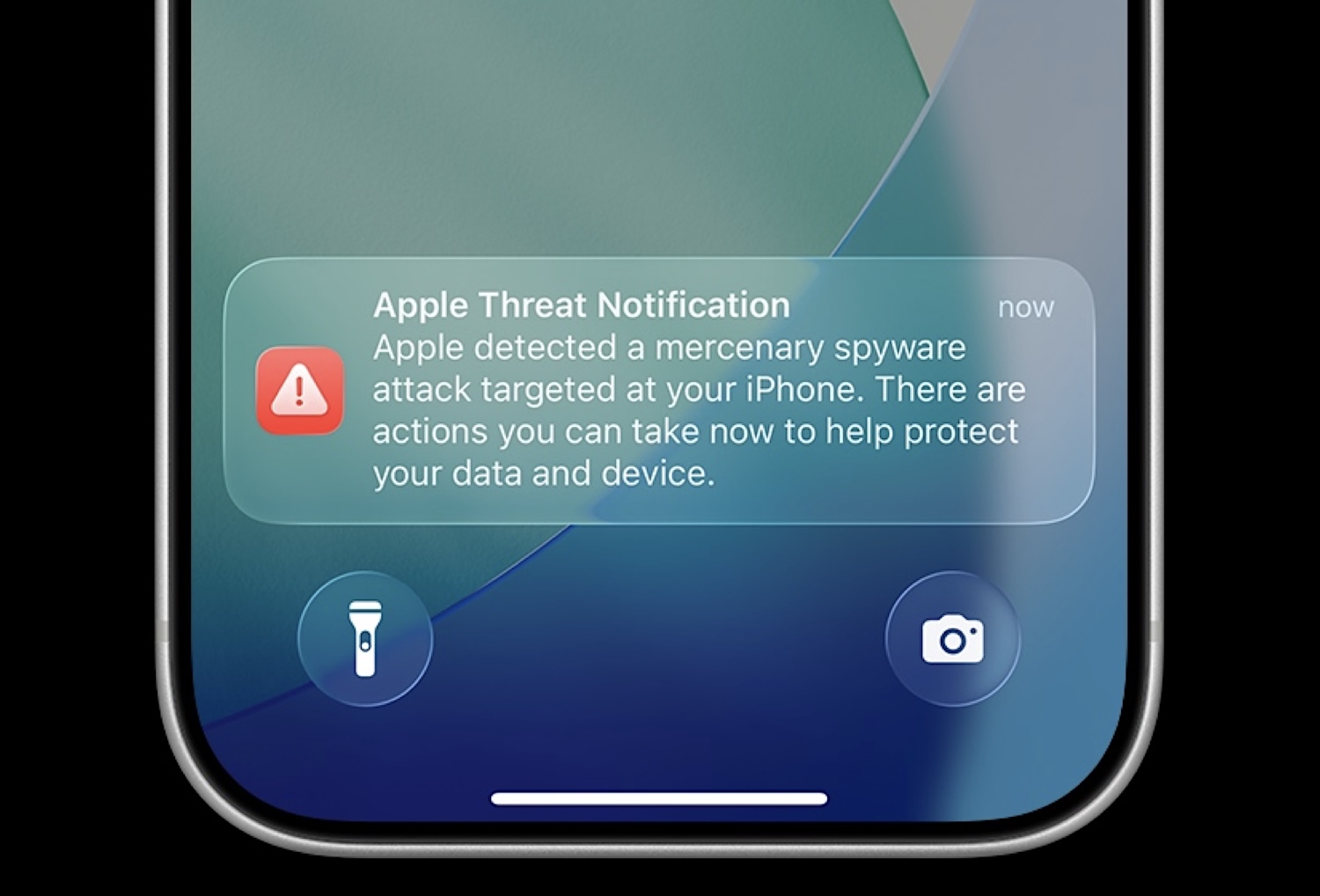
Apple's New Threat Notification System
Apple has begun sending a new type of alert, dubbed 'Threat Notification,' to users whose iPhones may have been targeted by mercenary spyware. This proactive measure signals a significant escalation in Apple's efforts to protect its users from sophisticated, state-sponsored surveillance operations.
The notifications, which appear on the iPhone lock screen, inform users that Apple has detected a 'mercenary spyware attack targeted at your iPhone.' This direct communication aims to immediately alert individuals who might be under surveillance by advanced threat actors. Previously, such targeted attacks often went unnoticed by the user, leaving them vulnerable without their knowledge.
These mercenary spyware operations are distinct from common malware or phishing scams. They are typically developed and deployed by private companies hired by governments to conduct surveillance on specific individuals. Targets often include journalists, activists, politicians, and business leaders, suggesting that the recipients of these new alerts are likely individuals of interest to state intelligence agencies.
The implications of receiving such a notification are profound. It suggests that the user's digital life, communications, and sensitive data may have been compromised or are at immediate risk of compromise. This is not a false alarm; Apple states that it has a high degree of confidence that the user is being targeted by these sophisticated attacks.
The move represents a critical shift in how Apple handles security for its high-profile users. By providing explicit warnings, Apple empowers these individuals to take immediate steps to secure their devices and personal information, and to understand the nature of the threat they face.
Understanding Mercenary Spyware
Mercenary spyware refers to sophisticated surveillance software developed and sold by private companies, often to government entities. These tools are designed to be stealthy and highly effective, capable of exfiltrating vast amounts of data from compromised devices, including messages, emails, contacts, location history, and even activating microphones and cameras without the user's knowledge.
Unlike broad-spectrum malware that might infect millions of devices, mercenary spyware is typically used in highly targeted attacks. The targets are carefully selected based on their perceived value, such as their role in political dissent, investigative journalism, or corporate espionage. The attackers invest significant resources into developing exploits that can bypass standard security measures, including those built into operating systems like iOS.
The companies that develop this spyware operate in a shadowy industry, often with opaque client lists. While some governments may use such tools for legitimate national security purposes, there are numerous documented cases where they have been misused to target civil society, journalists, and political opponents. This misuse has drawn condemnation from human rights organizations and calls for greater regulation of the spyware industry.
The sophistication of these attacks means that even users who are security-conscious and keep their devices updated can be vulnerable. Zero-click exploits, which do not require any user interaction to infect a device, are a common tactic employed by these mercenary groups. This makes the user entirely unaware of the compromise until Apple's detection systems flag it.
What Apple's Notification Means for Users
Receiving an Apple Threat Notification should be taken with the utmost seriousness. It is not a generic security alert; it is a specific warning about a targeted, advanced threat. The notification itself is a testament to the sophisticated detection capabilities Apple has developed.
Apple's notification system is designed to provide clarity and actionable information. While the notification doesn't detail the exact nature of the spyware or the attacker, it confirms that a state-sponsored threat actor is likely involved. This context is crucial for the recipient to understand the gravity of the situation.
The company recommends that users who receive this alert take immediate steps to secure their devices. This includes updating their iPhone to the latest version of iOS, as Apple continuously patches vulnerabilities that might be exploited. Additionally, users are advised to enable 'Rapid Security Response' for critical security updates, which can be applied more quickly than full iOS updates.
Beyond device security, the notification also serves as a warning about potential compromises to personal information and communications. Users should be aware that their digital activities might have been monitored, and their sensitive data potentially accessed. This could have significant implications for their personal safety, professional work, and privacy.
The existence of this notification system is a double-edged sword. On one hand, it provides crucial awareness to targeted individuals. On the other hand, it highlights the persistent and evolving threat landscape, even for users of highly secure platforms like iOS. It underscores the need for constant vigilance and robust security practices across the digital ecosystem.
Why This Matters: The Broader Context
Apple's proactive stance with these Threat Notifications is a significant development in the ongoing arms race between platform security and advanced threat actors. For years, security researchers and human rights groups have documented the pervasive use of mercenary spyware, often linking it to authoritarian regimes and the suppression of dissent.
The fact that Apple is now directly informing users, rather than just patching vulnerabilities in secret, signifies a shift towards greater transparency and user empowerment. This transparency is vital for individuals who are often the primary targets of these invasive surveillance operations. Knowing they are being watched, and by whom, can be critical for their safety and for informing their next steps.
This move also puts pressure on the spyware industry and the governments that employ these tools. Increased user awareness and the potential for public exposure could make it more difficult for these actors to operate with impunity. It also raises questions about the responsibility of technology companies in the face of state-sponsored surveillance.
What remains unanswered is the long-term strategy for users who are repeatedly targeted. While updating devices and enabling security features are crucial immediate steps, sustained targeting by sophisticated actors may require more comprehensive digital hygiene and potentially even a temporary cessation of certain online activities. The ongoing challenge is to balance security with the fundamental right to privacy and free expression in an increasingly surveilled world.
The introduction of these Threat Notifications is a clear signal: mercenary spyware is a present and growing danger, and Apple is taking concrete steps to arm its users with the knowledge they need to defend themselves. The responsibility now falls on users to heed these warnings and implement the recommended security measures.