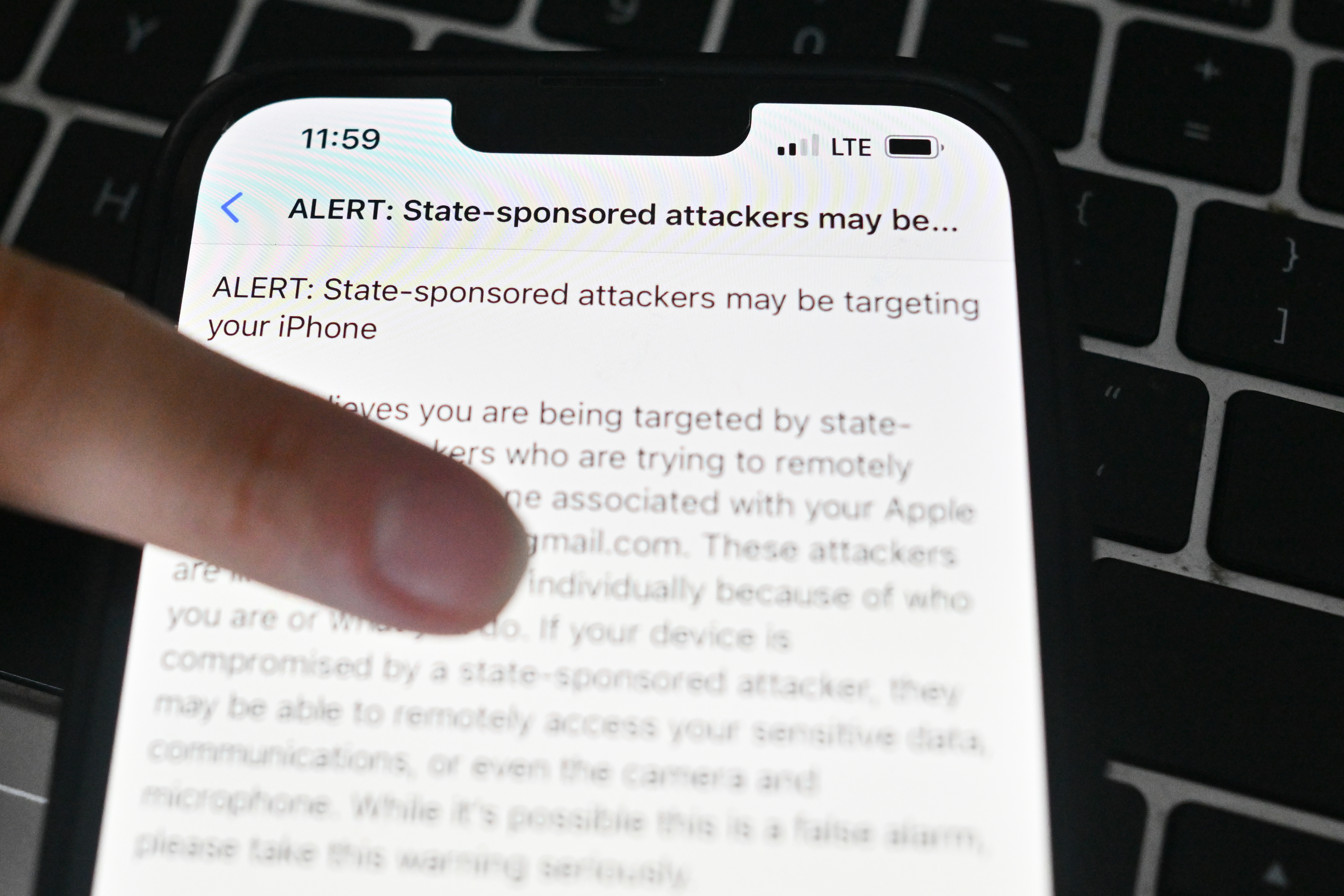
Massive Spike in Apple Spyware Notifications
Cybersecurity investigators are reporting an "unprecedented" surge in the number of Apple users receiving spyware threat notifications. These alerts, sent by Apple to devices believed to be targeted by state-sponsored mercenary spyware, have historically been rare. However, recent weeks have seen a dramatic increase in their dissemination, prompting concern among security professionals and users alike.
The notifications, which appear on iPhones, iPads, Macs, and Apple Watches, warn users that their device may have been targeted by a state-sponsored attacker. Apple's policy is to notify users if it detects "strong evidence" of such an attack. The sheer volume of these recent alerts suggests a significant escalation in the scope or sophistication of these attacks, or a broadening of Apple's detection capabilities being triggered.
While Apple does not typically disclose specific details about the threat actors or the exact methods used in these targeted attacks, the company has previously stated that such attacks are highly complex and often involve custom-built exploits. They are typically aimed at a small number of specific individuals, including journalists, human rights activists, politicians, and diplomats. The recent widespread nature of these alerts, however, challenges this assumption of highly targeted, low-volume attacks.
What Does the Alert Mean?
When an Apple device receives a spyware threat notification, it means Apple's security systems have detected activity consistent with a mercenary spyware attack. These are not the typical phishing attempts or widespread malware campaigns that affect millions of users. Instead, mercenary spyware is deployed by sophisticated actors, often state-backed, with the resources and intent to target specific individuals for surveillance.
The alert itself is designed to be a critical warning. It prompts users to take immediate action to secure their devices and data. Apple provides a support page with detailed instructions on how to respond to such threats, which typically involves updating devices to the latest software versions, changing Apple ID passwords, and enabling two-factor authentication. For high-risk individuals, it may also involve seeking professional cybersecurity assistance.
The investigators emphasize that these alerts are not false positives. Apple's threat notification system is built on extensive forensic analysis and intelligence gathered from various sources. The fact that so many users are receiving these notifications simultaneously indicates a concerted effort by attackers to compromise a large number of individuals, or a significant shift in the threat landscape.
The Scale of the Problem
The cybersecurity experts investigating these incidents have described the current wave of alerts as "unprecedented" in both frequency and the number of affected users. This suggests a potential shift in tactics by threat actors, who may be attempting to overwhelm security infrastructure or conduct broader surveillance operations than previously observed. It could also indicate that Apple's detection mechanisms are becoming more sensitive or effective, flagging more potential intrusions.
One of the key concerns raised by investigators is the potential impact on the broader tech ecosystem. If state-sponsored actors are successfully deploying advanced spyware at this scale, it poses a significant risk not only to the targeted individuals but also to the security and integrity of the platforms they use. This includes the potential for these exploits to be repurposed or adapted for wider, less sophisticated attacks.
The source of these attacks remains officially unconfirmed by Apple, but such alerts have historically been linked to specific nation-state actors and commercial spyware vendors known to sell their tools to governments for surveillance purposes. The involvement of mercenary spyware implies a commercial motive, where advanced surveillance tools are developed and sold as a service, rather than being directly wielded by a single intelligence agency.
Broader Implications and Future Concerns
The surge in spyware alerts for Apple users raises critical questions about the evolving landscape of cyber threats. It highlights the persistent and growing threat posed by sophisticated, state-sponsored surveillance tools. For individuals in sensitive professions—journalists, activists, politicians—the risk of being targeted is demonstrably increasing. This trend could have a chilling effect on free speech and democratic processes if individuals fear constant surveillance.
From a platform security perspective, the challenge for companies like Apple is to maintain a robust defense against increasingly advanced and resourced adversaries. The ability to detect and alert users to such sophisticated intrusions is a critical function, but the sheer volume of recent alerts suggests a continuous arms race. What nobody has addressed yet is the long-term psychological and operational burden placed on individuals who are repeatedly targeted or live under the constant threat of such sophisticated surveillance.
The implications extend to the market for spyware itself. The existence of a thriving commercial market for these tools, often operating in a legal and ethical grey area, fuels the problem. As these tools become more accessible to a wider range of state and non-state actors, the potential for misuse escalates. For the average user, this increased activity serves as a stark reminder of the importance of maintaining strong digital hygiene, keeping devices updated, and being aware of the sophisticated threats that exist beyond common malware.
The ongoing investigation into the source and scale of these attacks is crucial. Understanding the motivations and capabilities of the actors involved will be key to developing more effective defenses and policy responses. The unprecedented number of alerts serves as a wake-up call, demanding increased vigilance from both platform providers and end-users.