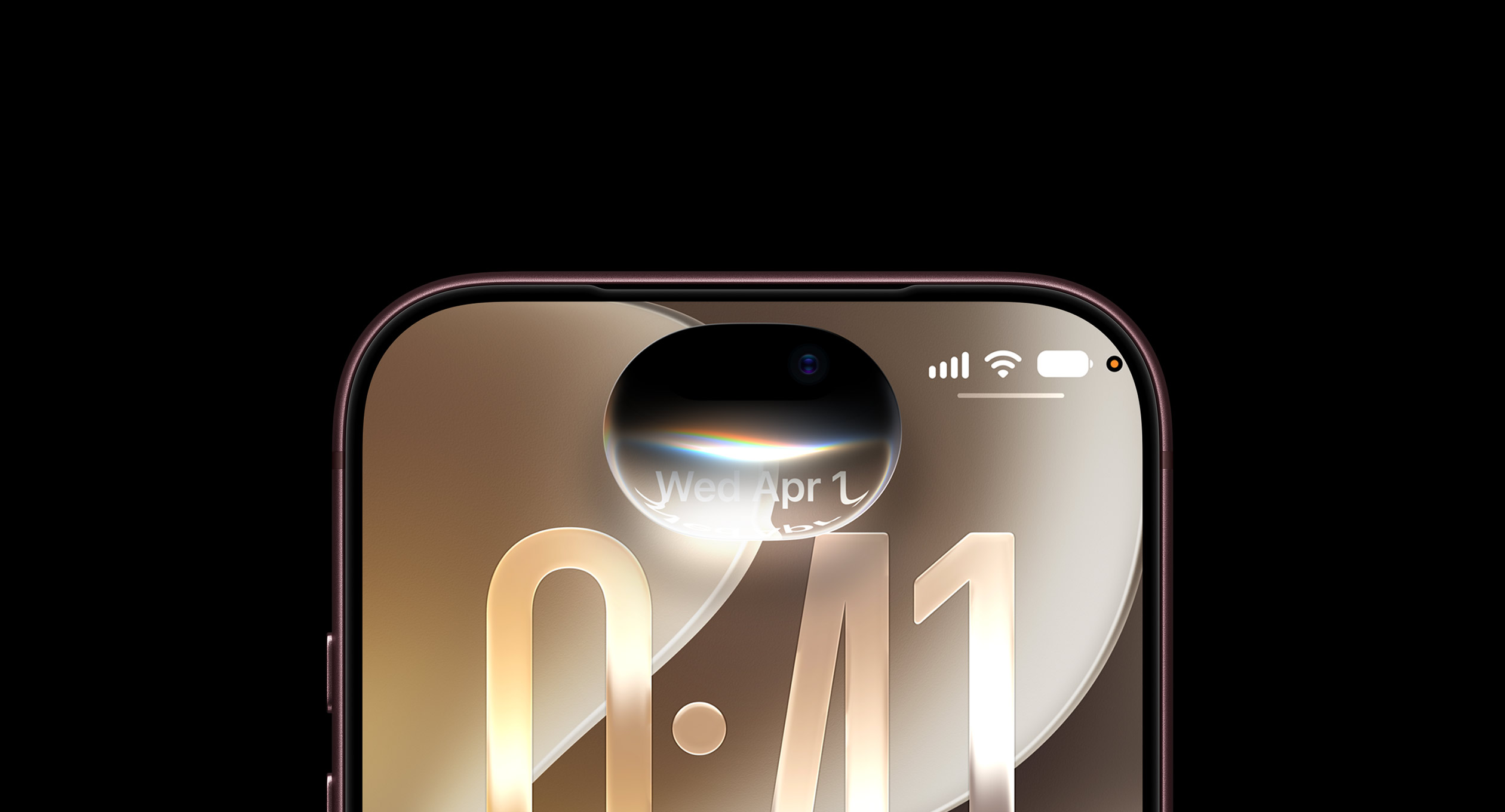
Siri Reimagined: The AI Assistant Finally Arrives
Apple has officially released iOS 27 and macOS Golden Gate 27, bringing a long-awaited overhaul to its virtual assistant, Siri. This isn't just a minor update; sources suggest Siri has been rebuilt from the ground up with advanced AI capabilities, aiming to transform it from a sometimes-frustrating tool into a genuinely useful daily companion. Early reports indicate a dramatic improvement in natural language understanding, context awareness, and proactive assistance. This means Siri can now handle more complex queries, engage in more nuanced conversations, and even anticipate user needs based on learned behavior and current tasks. For developers and users alike, this marks a significant shift in how we interact with our devices, moving closer to a truly intelligent assistant.
The AI-driven Siri in iOS 27 and macOS Golden Gate 27 is designed to integrate more deeply with applications and system functions. Instead of just performing basic commands, it can now orchestrate multi-step tasks across different apps. For instance, a user might ask Siri to "plan a weekend trip to Napa, find a hotel under $300, and add it to my calendar," and the assistant will be able to access travel apps, booking platforms, and the calendar app to fulfill the request. This level of integration is what many have expected from a leading AI assistant for years, and Apple appears to be finally delivering.
Liquid Glass Refinements and UI Consistency
Beyond the headline-grabbing Siri advancements, both operating systems feature significant refinements under the banner of "Liquid Glass." This appears to be Apple's term for a suite of UI and UX improvements focused on fluidity, responsiveness, and visual consistency across devices. In macOS Golden Gate 27, this translates to a more unified look and feel for windows, icons, and system elements, aiming to reduce visual clutter and enhance user focus. Developers will find a more predictable design language to work with, potentially streamlining the creation of visually cohesive applications.
On iOS 27, the Liquid Glass refinements contribute to a smoother, more intuitive user experience. Animations are said to be more fluid, gestures more responsive, and the overall visual presentation more polished. While less overtly technical than the AI upgrade, these UI enhancements are crucial for maintaining Apple's reputation for polished, user-friendly software. The goal is to make the operating system feel less like a collection of apps and features and more like a cohesive, flowing environment.
macOS Golden Gate 27: The End of an Era for Rosetta
A critical, albeit less advertised, detail in the macOS Golden Gate 27 release is its status as the final version to support Rosetta, Apple's translation layer for running Intel-based applications on Apple Silicon Macs. This signals Apple's complete transition away from Intel processors for its Mac lineup. Users still relying on older Intel-only applications will need to find native Apple Silicon versions or explore alternative solutions before the next macOS release, which is expected to drop Rosetta support entirely. This move, while necessary for future innovation, will require users and developers to adapt.
The implications for developers are significant. While most have already transitioned their applications, those with legacy software that hasn't been updated may face a difficult decision. This also means that the performance benefits of Apple Silicon will be fully realized across the entire software ecosystem in the coming years, as developers are no longer constrained by the need to maintain Rosetta compatibility. The transition, while potentially disruptive for a small segment of users, is a necessary step for Apple to fully leverage the power and efficiency of its custom silicon.
Broader Ecosystem Impact
The release of iOS 27 and macOS Golden Gate 27 underscores Apple's continued strategy of tightly integrating its hardware and software ecosystems. The enhanced Siri AI, capable of operating across devices, promises a more seamless experience for users who own multiple Apple products. For instance, tasks initiated on an iPhone could be seamlessly continued on a Mac, with Siri acting as the intelligent bridge. This cross-platform synergy is a key differentiator for Apple and a significant value proposition for its user base.
For founders and product managers, the new Siri presents opportunities to rethink app design and user engagement. Integrating deeply with Siri's AI capabilities could unlock new workflows and provide users with more efficient ways to access app features. Security professionals will need to consider the expanded attack surface and data privacy implications of a more powerful, integrated AI assistant, ensuring that user data remains protected and that the AI's decision-making processes are transparent and controllable. The focus on UI consistency with Liquid Glass also means that adherence to Apple's design guidelines will remain paramount for a polished user experience.
The question of how quickly third-party developers will fully embrace and integrate with the new AI-driven Siri remains open. While Apple provides the tools, the true utility of the assistant will be realized through the richness of its integrations. Early adopters who can leverage Siri's new capabilities to enhance their applications are likely to see a competitive advantage.