Surge in Demand for Specialized Apple Hardware
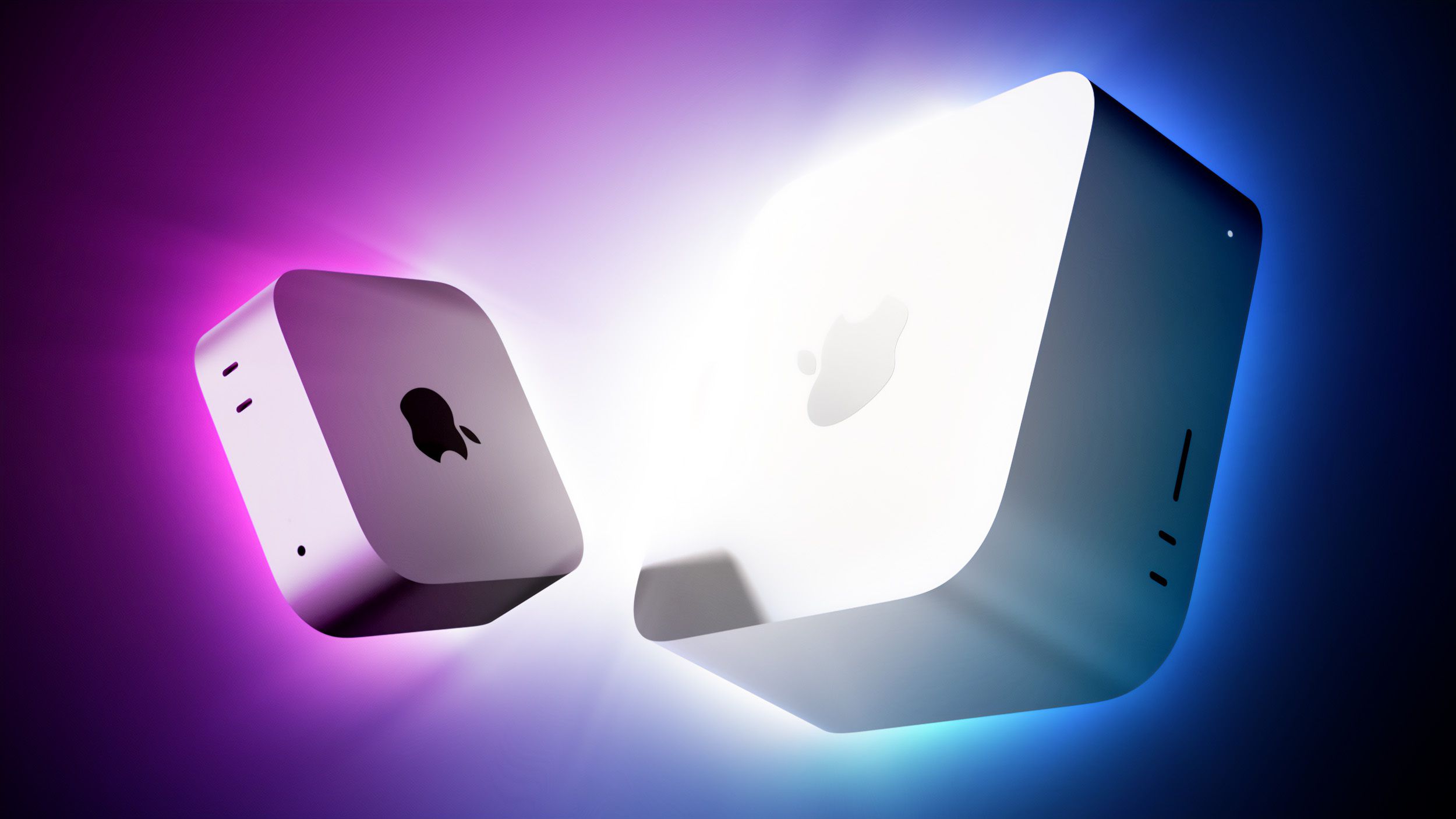
Apple is reportedly struggling to keep up with demand for its Mac Mini and Mac Studio machines, a situation exacerbated by an unexpected surge in interest from the artificial intelligence development community. While these compact desktops have always appealed to creative professionals and power users, their specific hardware configurations have recently made them prime targets for AI workloads. This has led to extended shipping times and stock shortages for both models, catching Apple's typically well-managed supply chain off guard.
The Mac Mini, particularly its higher-end configurations, offers a compelling balance of price and performance. For AI developers, this translates to a more accessible entry point for tasks like local model training, inference testing, and data preprocessing. The Mac Studio, with its even greater processing power and memory capacity, has become a go-to option for those undertaking more intensive AI research and development without needing to invest in significantly more expensive Mac Pro systems. This demand is not driven by typical consumer upgrades but by a specific professional segment seeking capable, Apple-ecosystem-friendly hardware.
Sources suggest that Apple did not anticipate this specific market segment to become such a significant driver of demand for these particular Mac models. The company's forecasting likely did not account for the rapid growth and specific hardware requirements of the AI development field, especially for on-device or local development workflows. This miscalculation has resulted in a noticeable strain on inventory, with lead times stretching weeks, and in some configurations, months.
The appeal of Apple's silicon, particularly the M-series chips, for AI tasks is multifaceted. While not traditionally seen as the primary platform for heavy-duty AI training (often dominated by NVIDIA GPUs in Linux environments), Apple's unified memory architecture offers advantages for certain AI workloads. Developers can leverage the large amounts of RAM available in higher-end Mac Minis and Mac Studios for datasets that would be prohibitively expensive or impossible to fit into discrete GPU VRAM. Furthermore, the increasing sophistication of Apple's Metal Performance Shaders (MPS) and Core ML frameworks allows for efficient GPU acceleration of machine learning models directly on Apple hardware, making these Macs attractive for inference and smaller-scale training tasks.
Think of it less like a general-purpose computer suddenly becoming an AI powerhouse, and more like a specialized tool – say, a high-end photo editing workstation – suddenly being discovered by a community that needs its specific capabilities for video editing. The Mac Mini and Mac Studio, with their powerful, integrated Apple Silicon and ample unified memory, are proving to be that specialized tool for a growing number of AI practitioners.
Implications for Apple and the AI Development Landscape
The current situation highlights a broader trend: the decentralization and democratization of AI development. As AI models become more sophisticated and the need for accessible development tools grows, developers are seeking powerful, yet relatively affordable, hardware solutions. Apple's Mac lineup, particularly the M-series chips, offers a unique combination of performance, energy efficiency, and a mature software ecosystem that is increasingly appealing. This demand from the AI sector could represent a significant, and previously underestimated, market opportunity for Apple.
For developers and researchers, the shortages present a tangible challenge. Acquiring the necessary hardware to work on AI projects locally can become a bottleneck, potentially slowing down innovation or forcing individuals to seek less ideal alternatives. This could involve using cloud-based AI services, which can incur significant costs over time, or resorting to less powerful hardware that limits the scope of their work. The extended wait times also disrupt workflows and project timelines.
Apple's response to this surge in demand will be critical. The company has a history of meticulous supply chain management, but this unexpected demand from a specific, high-value segment of the tech industry may require a rapid recalibration of production and distribution strategies. Whether Apple can quickly ramp up production of the Mac Mini and Mac Studio to meet this new demand will be closely watched. It could also signal a strategic opportunity for Apple to further tailor its marketing and even future hardware designs to cater more explicitly to the burgeoning AI developer market, potentially creating dedicated configurations or software bundles that address the specific needs of this user base.
The Unanswered Question of Future AI Hardware Strategy
What remains to be seen is whether this surge in demand is a temporary anomaly driven by current trends in AI development, or a fundamental shift that Apple needs to integrate into its long-term product strategy. If the latter, we might expect to see future Mac Minis and Mac Studios with even more robust AI-centric features, perhaps enhanced Neural Engines, larger memory configurations as standard, or even specialized cooling solutions to sustain peak performance during long AI training sessions. The current shortages, while inconvenient, could be the catalyst for Apple to solidify its position not just as a consumer electronics giant, but as a key enabler of next-generation AI innovation.