
AppFunctions' Shifting Landscape
Developers building agentic interactions on Android using Jetpack AppFunctions are facing a sudden and unexpected shift. The library, previously at version 1.0.0-alpha08, saw its recommended update path, alpha10, abruptly cease publication of its core appfunctions-service component. This move, effective July 1, 2026, has left many projects in a broken state, unable to sync or build.
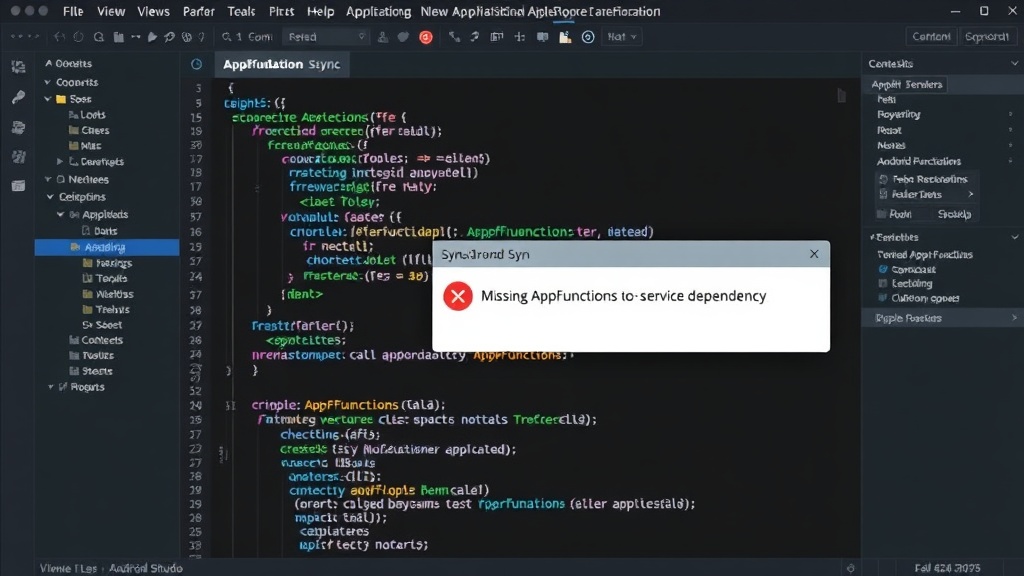
The initial setup described in a recent Dev.to post relied on a library-merged PlatformAppFunctionService, an AppFunctionContext parameter, and aggregate XML files named app_functions.xml or app_functions_v2.xml. This configuration, common for developers adopting the alpha versions, is now incompatible with the latest Android Studio suggestions. The sync failure message, "Could not find androidx.appfunctions:appfunctions-service:1.0.0-alpha10," is a stark indicator of the problem.
The core issue appears to stem from a change in how the AppFunctions service is distributed. Previously, developers could integrate the service directly via a Maven dependency. However, with the discontinuation of the alpha10 service artifact, this direct integration method is no longer viable. This forces a re-evaluation of how AppFunctions are implemented and managed within Android applications.
Navigating the Migration Path
The abrupt nature of this change means that developers must quickly find an alternative. The official AndroidX releases page for AppFunctions lists 1.0.0-alpha10 as the latest stable version, yet the critical service component is no longer available. This creates a disconnect between the documented versions and the actual deployable artifacts.
One potential path forward involves re-examining the underlying components of AppFunctions. The library aims to facilitate agentic interactions, allowing different application components or even external agents to communicate and collaborate. The previous setup utilized a centralized service to manage these interactions. With that service gone, developers will likely need to explore more decentralized or custom-built solutions for managing inter-agent communication.
This might involve leveraging other Jetpack libraries or Android platform features to achieve similar results. For instance, developers could explore using WorkManager for background task coordination, or Content Providers for data sharing and inter-process communication. The challenge lies in recreating the seamless integration that AppFunctions previously offered, particularly for complex agentic workflows. The loss of the aggregated XML approach for defining functions also suggests a move towards more programmatic or annotation-driven configuration.
Broader Implications for Agentic Development
The deprecation of the appfunctions-service artifact in alpha10 is more than just a build-breaking change; it signals a potential pivot in the AppFunctions strategy. The library is still in its early alpha stages, and such shifts are not uncommon. However, the timing and the direct impact on a published alpha version are noteworthy.
For developers who have invested time and resources into building agentic systems using the previous AppFunctions architecture, this presents a significant hurdle. They must now assess the effort required to migrate their existing implementations to a new paradigm. This could involve significant refactoring, learning new APIs, or even re-architecting their agent interactions entirely.
What remains unclear is the long-term vision for AppFunctions. Will a new service artifact be released to replace the deprecated one? Will the focus shift towards a different mechanism for agentic interaction, perhaps one that is more deeply integrated with other Jetpack components or relies less on a centralized service? The current documentation does not provide immediate answers, leaving a void in understanding the future direction of the library.
The situation underscores the inherent risks of adopting early-stage alpha libraries. While they offer cutting-edge features and the promise of future capabilities, they also carry the potential for rapid and disruptive changes. Developers working with such libraries must maintain a high degree of vigilance, monitor release notes closely, and be prepared for migration efforts.
What This Means for Developers
The immediate consequence for developers is that projects relying on androidx.appfunctions:appfunctions-service:1.0.0-alpha10 will fail to build. The absence of this critical dependency means that the infrastructure for defining and managing agent functions is broken. Developers must now seek alternative solutions or wait for official guidance from the Android Jetpack team regarding the future of AppFunctions service distribution.
The shift away from the aggregated XML approach also suggests a move towards a more modern configuration strategy. Developers may need to explore annotation processing or other code-based methods for defining and registering their application functions. This could offer greater flexibility and type safety but will require learning new patterns.
Ultimately, this situation highlights the need for robust dependency management and a proactive approach to library updates. If you were building on AppFunctions alpha10, you have effectively hit a wall. Your immediate next step is to investigate alternative methods for inter-agent communication on Android or to closely monitor official Android Jetpack channels for any updates or clarifications regarding the future of AppFunctions.